

 A large disparity between cancer cases and mortality rates depends on race. The statistics are glaring. According to the Virginia Department of Health, cancer is the leading cause of death in the Commonwealth. Even more startling is that black men have the highest rate of getting prostate cancer and are 2.4 times more likely to die from it. And, African American women suffer disproportionately from breast cancer in Virginia.
With these glaring health disparity statistics, Hampton University’s president, Dr. William R. Harvey saw a need to help the community. In 2010, through Dr. Harvey’s vision, the Hampton University Proton Therapy Institute (HUPTI) opened its doors to welcome patients with various cancer types that could benefit from the life-changing, advanced form of radiation treatment known as proton therapy. And, most importantly, live a good life, in spite of. Through proton therapy, HUPTI delivers a precise radiation treatment while destroying cancer cells and minimizing damage to healthy tissue.
“There’s no exit dose, and less of an entrance dose,” said Dr. Vahagn Nazaryan, the Hampton University Proton Therapy Institute’s Executive Director. “That means that surrounding tissue is spared the damaging effects of radiation. As a result, patients experience fewer side effects.”
“Proton therapy is the most effective option in treating cancer currently.” comments Cordereau M. Dye, Multimedia Marketing Specialist at HUPTI. “We have treated nearly 2,000 patients here and see less than 10 percent recurrence,” comments Dye. “Patients are able to sustain their quality of life throughout treatment with little to no interruption in their daily routines. They also have less of a risk of developing complications from treatment later in life.”
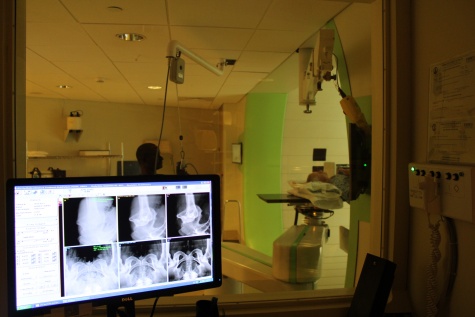 HUPTI is the largest free-standing proton therapy facility in the world and was the nation’s eighth proton therapy treatment center upon construction.
Proton therapy destroys cancer cells and minimizes damage to healthy cells by delivering a powerful punch of radiation right to the tumor site. Because proton beam radiation can be more precisely controlled, doctors can prescribe higher doses of radiation with less impact on the health of surrounding tissue. In contrast to the X-rays commonly used in conventional radiation, protons enter the body at a low energy level and release most of their energy upon impact with the tumor, so there is no “exit” dose of radiation to healthy tissue. This results in a low incidence of side effects and, especially in children, fewer long-term effects. The targeted dose of radiation is also a benefit when the tumor is located in sensitive areas like the eye, brain, head, neck, lung or prostate.
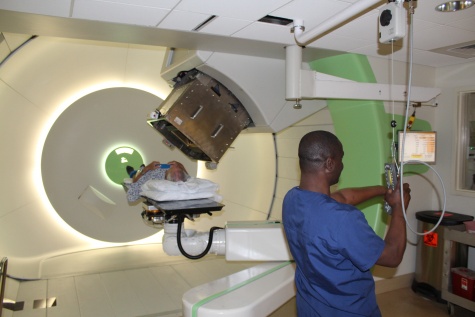 HUPTI treats various types of cancers, including prostate, breast, lung, head and neck, brain and spine, GI and pediatric.
September is Prostate Cancer Awareness Month. HUPTI and Urban Views Weekly urge men of all ages to learn about the factors that can increase their chances of getting prostate cancer and familiarize themselves with treatment options that are available to them.
For more information on HUPTI, including requesting an information packet, please visit: http://www.hamptonproton.org.
