

By: J. Chevonte’ Alexander
Without mental health, we cannot be healthy. We all experience emotional ups and downs from time to time caused by events in our lives. Mental health conditions go beyond these emotional reactions to specific situations. They are medical conditions that cause changes in how we think and feel and in our mood. These changes can alter your life because they make it hard to relate to others and function the way you used to. Without proper treatment, mental health conditions can worsen and make day-to-day life hard.
In the African American community, many people misunderstand what a mental health condition is and don’t talk about this topic. This lack of knowledge leads many to believe that a mental health condition is a personal weakness or some sort of punishment from God. African Americans may be reluctant to discuss mental health issues and seek treatment because of the shame and stigma associated with such conditions.
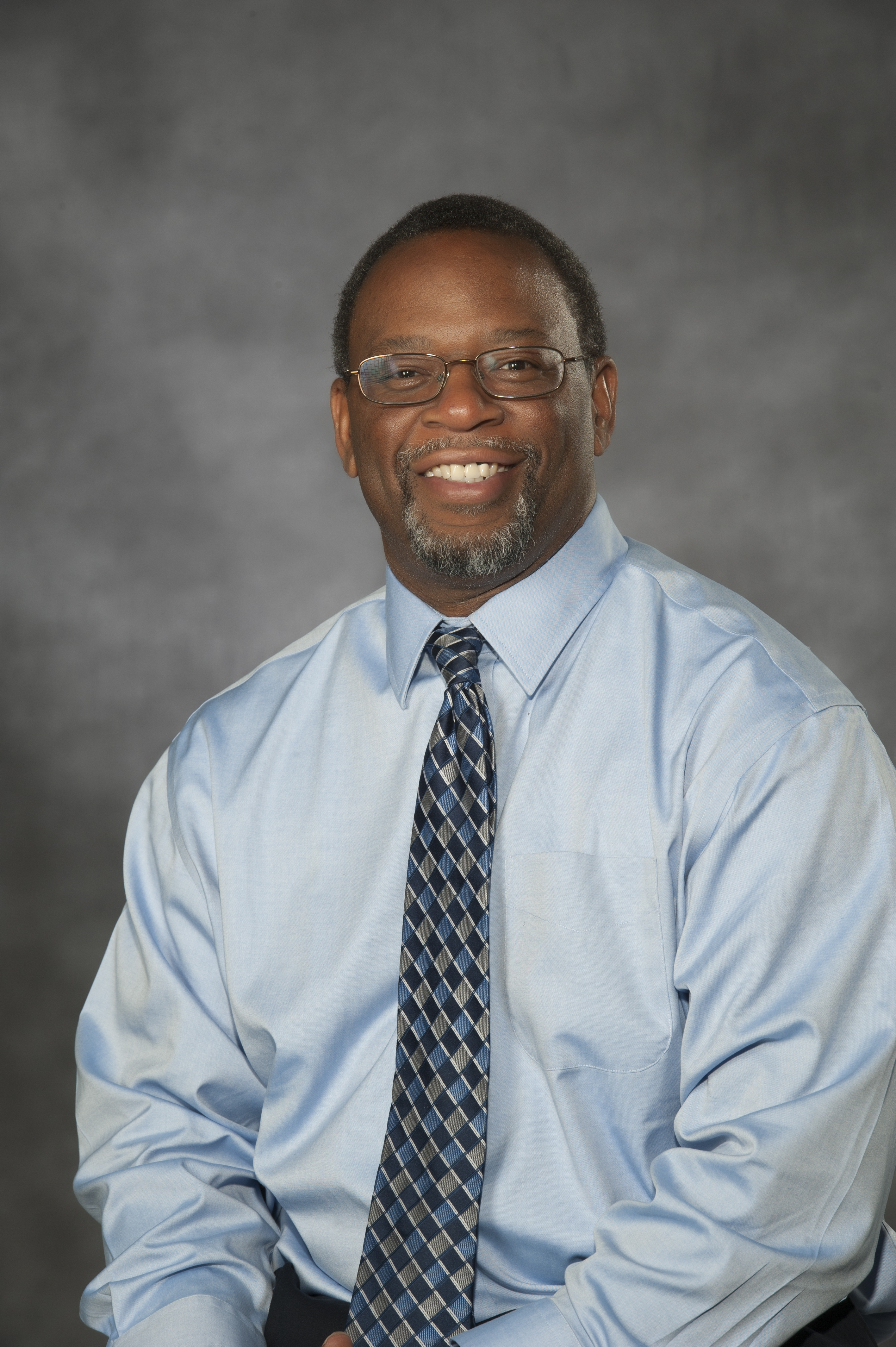
Jihad Aziz, Ph.D. DIRECTOR, LICENSED PSYCHOLOGIST
Jihad Aziz, Ph.D., who is the director of Virginia Commonwealth University’s (VCU) Counseling Services and interim director of the VCU Office of Multicultural Student Affairs says, “there is a general belief that problems are solved and kept within the family or community. To seek services or speak about issues to someone outside the community is frowned upon and seen as being inconsistent with cultural values.”
According to the Health and Human Services Office of Minority Health, African Americans are 20% more likely to experience serious mental health problems than the general population. Common mental health disorders among African Americans include:
- Major depression
- Attention deficit hyperactivity disorder (ADHD)
- Suicide, among young African American men
- Posttraumatic stress disorder (PTSD), because African Americans are more likely to be victims of violent crime
African Americans are also more likely to experience certain factors that increase the risk for developing a mental health condition:
- Homelessness: People experiencing homelessness are at a greater risk of developing a mental health condition.
- Exposure to violence increases the risk of developing a mental health condition such as depression, anxiety and post-traumatic stress disorder.
“The first step is to acknowledge there is a problem,” says Aziz. One of the challenges for African Americans based on historical oppression is the belief that you must always be strong and never show “weakness.”“Once there is an acknowledgment of the problem, it would be helpful for someone to seek someone they trust to share their concerns with. The person they share with may be a family member, friend and/or pastor or spiritual leader. If their concerns are not addressed with them, or they don’t have access to a supportive individual, then speaking to a physician or seeking services from the local community health agency is another option. If the person has insurance, then contacting their insurance company for referrals can also be very helpful. If the person is a student, there is usually a University Counseling Services on campus that can be of assistance to them.”
Don’t let fear of what others may think prevent you or a loved one from getting better. One in 5 people is affected by mental illness. This means that, even if we don’t talk about it, most likely we have one of these illnesses or know someone who does. Only about one-quarter of African Americans seek mental health care, compared to 40% of whites.
“A main factor is a historical distrust of health care. Often health care has been denied to African Americans or has been of poor quality due to historical racism.” says Aziz.
Do rely on your family, community and faith for support, but you might also need to seek professional help. Let’s break the stigma of mental health in our community.
[mycred_link id=virtscav60 href=”https://dev.urbanviewsweekly.com/congratulations/”] [/mycred_link]
