
sponsored by VCU Health
by J. Chevonte’ Alexander
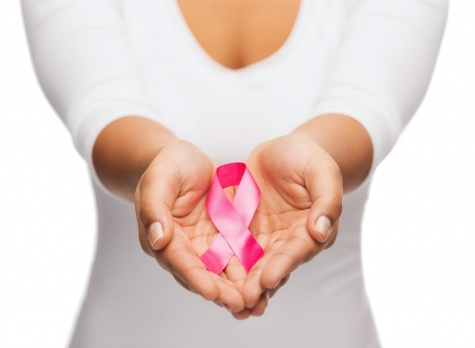
From pink socks, to pink shirts, to pink wristbands, or a “Save the Tatas” slogan, we all know that October is designated as Breast Cancer Awareness month! All year round, pink has become the signature color, but especially in October. It’s a time to remember the people with breast cancer and who have survived the disease and those who have passed away from breast cancer! Breast cancer is the second most common kind of cancer in women. About 1 in 8 women born today in the United States will get breast cancer at some point. Each year, an estimated 40,000 women will lose their lives due to breast cancer. The good news is that many women can survive breast cancer if it’s found and treated early.
National Breast Cancer Awareness Month is a chance to raise awareness about the importance of early detection of breast cancer. Make a difference! Spread the word about mammograms and encourage communities, organizations, families, and individuals to get involved.
Did you know? Breast cancer can occur in men. Over 2,000 men are diagnosed each year. Breast cancer may occur in men. Men at any age may develop breast cancer, but it is usually detected in men between 60 and 70 years of age. Male breast cancer makes up less than 1% of all cases of breast cancer.
As a precautionary measure, women are advised to perform breast self-examinations at least monthly in order to see or feel changes. Talk to a doctor about your risk for breast cancer, especially if a close family member had breast or ovarian cancer. Your doctor can help you decide when and how often to get mammograms.
- If you are a woman age 40 to 49, talk with your doctor about when to start getting mammograms and how often to get them.
- If you are a woman age 50 to 74, be sure to get a mammogram every 2 years. You may also choose to get them more often.
The U.S. Food & Drug Administration (FDA) Office of Women’s Health (OWH) launched the Pink Ribbon Sunday Mammography Awareness Program to educate African Americans regarding early detection of breast cancer through mammography. The program strives to reduce breast cancer health disparities by providing community leaders with free resources to develop mammography awareness programs tailored to regional needs.
As part of this program, Pink Sunday is being recognized on Sunday, October 23. The Balm In Gilead, Inc., in Richmond, Va. is partnering with the FDA to bring awareness to breast cancer. To participate, visit www.balmingilead.org. Register your church or community organization and post a photo, “In Honor Of…”, to honor the loved ones we have lost, in celebration of those who have survived and in honor of those we love!
Learn the Facts about Mammography
#1 Every woman should work with her doctor to develop a breast health plan.
#2 A mammogram is a low-dose x-ray picture of the breast.
#3 Mammograms can detect breast lumps when they are very small and long before they cause symptoms or problems.
#4 All facilities that offer mammograms in the U.S. must meet the same high standards set by the FDA.
#5 Women with disabilities and women with breast implants can get mammograms.
#6 Women should talk to their doctor to see if digital mammography is right for them.
“There is no better time and no better place for women to learn about breast health and the importance of mammography screening.” comments Dr. Pernessa Seele, Founder and CEO of The Balm In Gilead, Inc. “Early detection is key and working within our churches will help to increase the awareness of breast cancer.”

