

By Erika Winston
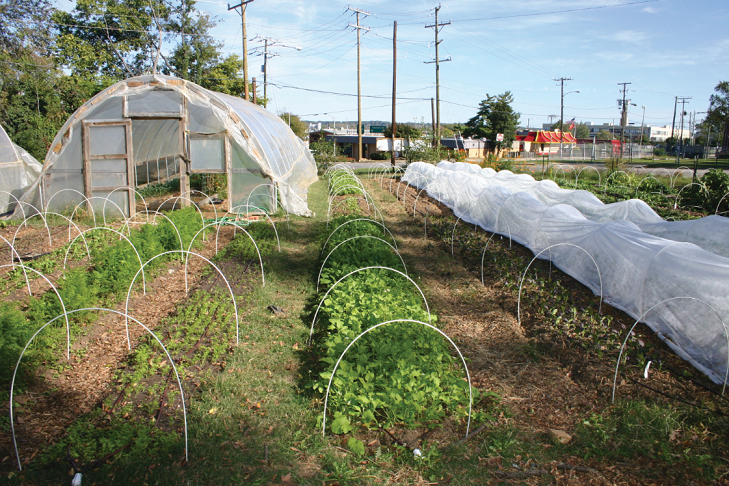
Contrary to popular belief, farming is not limited to the wide open plains of rural areas. Urban agriculture brings it closer to town, as urban residents grow fruits and vegetables, and even raise animals within their cities. In 2013, the Virginia General Assembly designated October as Urban Agriculture Month in the Commonwealth. The goal, as stated in the resolution, is to “provide the opportunity to promote and educate Virginians as to the benefit and importance of urban agriculture programs to local communities.” In the Richmond metropolitan area, local growers have a variety of resources that are working to promote urban agriculture throughout the region.
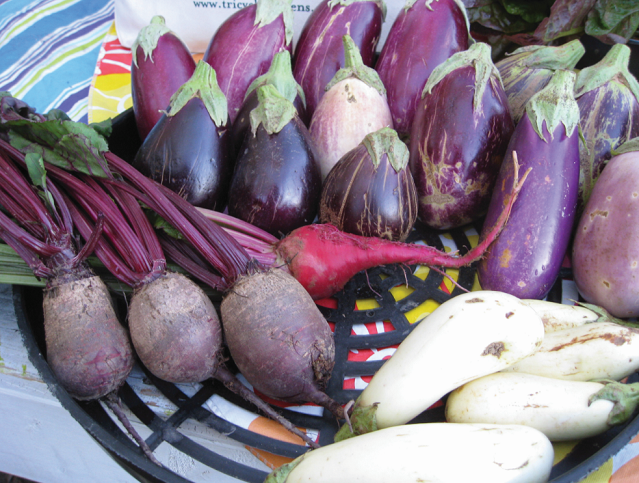
The benefits of urban agriculture are plentiful and varied. From a nutritional perspective, growing promotes the consumption of fruits and vegetables among urban residents. Cities are often concentrated with areas of high poverty rates, where a lack of finances leads to poor eating habits. The impact of this trend is lessened when fresh fruits and vegetables are made more accessible and affordable. Urban agriculture also promotes health through exercise. Gardening and farming are physical activities and participants get a good work out as they cultivate their foods. Numerous reports document the aerobic benefits of gardening, in addition to its therapeutic advantages of stress relief and mood enhancement.
Aesthetically, urban agriculture can fill unsightly voids in the city landscape. As an increasing number of urban residents embrace growing opportunities, the prevalence of community gardens continues to grow. These spaces are often created on empty lots or abandoned public spaces, turning decay into areas of greenery and life, which can lead to the overall revitalization of a blighted area.
These benefits, both individually and collectively, have ignited a growing interest in urban agriculture among American city dwellers. Though the organic food market is booming, as consumers crave healthier food options, it is also expensive and leads shoppers in search of more affordable resources. Urban agriculture offers a viable solution to this widespread problem. Even in the most highly populated city areas, residents are utilizing innovative gardening methods to grow fruits, vegetables, and herbs on roof tops and terraces.
The Popularity of Community Gardening
For aspiring gardeners with no space to start their agricultural goals, community gardens offer a convenient and communal alternative. As defined by the Centers for Disease Control (CDC), community gardens are “collaborative projects on shared open spaces where participants share in the maintenance and products of the garden, including healthful and affordable fresh fruits and vegetables.” These spaces are a relatively new concept, growing in popularity over the last twenty years. They offer all the benefits of urban agriculture and, according to the CDC, community gardens are even successful at decreasing neighborhood violence and forming strong social connections.
Metropolitan Richmond is home to several urban agricultural projects. The McDonough Community Garden is located within the city’s south side. Though the 8500 square foot space boasts a variety of fruits and vegetables, it also promotes a healthy community through educational programs and cooperative initiatives. Teens are invited to attend summer agriculture workshops, and all residents are encouraged to make contributions to the garden’s composting program. Organizers describe the garden as “a community space for social gatherings and cultural activities and youth programs teaching children and teens in the community social entrepreneurship, biology, nutrition, and ecology.” They go on to explain that the space is “a great potential for bridge building in the community allowing for inter-generational and cross cultural dialogs.”
The McDonough Community Garden is located within an area that the United States Department of Agriculture designates as a “food desert”. According to the agency’s website, food deserts are “urban neighborhoods and rural towns without ready access to fresh, healthy, and affordable food.” A lack of grocery stores makes it difficult for residents to access healthy foods. Instead, fast food options become the norm within the community, which can lead to an unhealthy lifestyle. The USDA works to lessen the effects of these food deserts by helping to fund urban agriculture projects within these areas. Agency evaluations show an increased consumption of fruits and vegetables among garden participants. Metropolitan Richmond is reportedly home to more than 20 designated food deserts.
Tricycle Gardens is a Richmond based nonprofit that promotes healthy communities and local food systems. Its director, Sally G. Schwitters, told the story of how the organization got its unique name. “Tricycle Gardens was started by a group of friends and neighbors who wanted to address blight in our city, while also bringing community together,” she explained. “They decided developing a community garden was the best approach. As they dug the earth and prepared for planting- they dug up tricycle parts and Tricycle Gardens was born.”
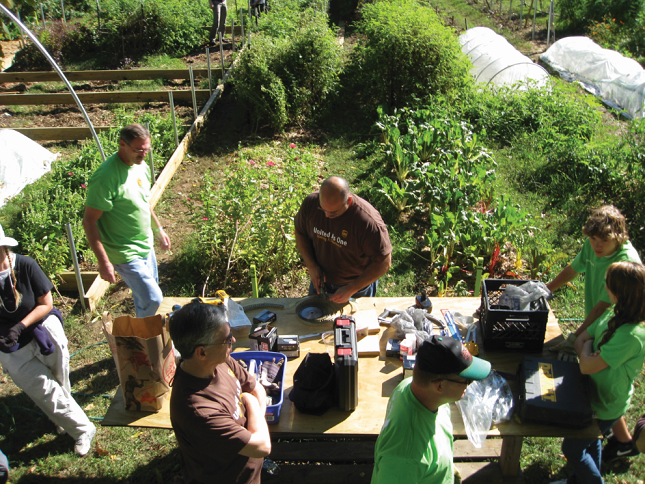
Schwitters said the garden has since grown into “a comprehensive urban agriculture nonprofit” that manages more than 12 food producing sites throughout the city. The Urban Farm “serves as a source of locally produced and sustainably grown produce” in the Manchester area. Schwitters explained that The Healing Garden, located at Bon Secours Memorial Hospital, services the nutritional education program. Tricycle Gardens also manages several children’s gardens, which according to Schwitter, “provide kids with direct experiences with how food is grown, and much more.”
Henrico County promotes urban agriculture through its “Gardens Growing Families” program. Families are encouraged to start their own gardens through a series of free classes and workshops. They can use the information to create gardens at home or utilize one of the county’s two community garden sites, located in Lakeside and Highland Springs. The county provides gardening tools and water at the site. There are also Master Gardeners available to answer questions on growing specific vegetables and fruits. To use the collective plots, families must agree to follow specific rules that are designed to maintain the beauty and integrity of the space.
Livestock in the City
Gardening is not the only type of urban agriculture. Many city residents are also raising livestock in their backyards. Chicken keeping promotes a constant production of fresh eggs. The market is filled with innovative chicken coops, which are designed to keep the costs down, while maximizing space. Even the most novice farmer can learn how to raise chickens with some Internet research.
Goats are another common livestock option, providing dairy, fleece or meat. Dwarf goats are comparable in size to large dogs, making them suitable for urban settings, where size restrictions may limit the size of allowable animals. Goat milk is commonly used to make cheese, as well as soaps. The fleece is used to make a number of items, from blankets to sweaters. Owners may also choose to sell it for a profit.
As residents of the Richmond metro area continue to embrace natural foods and create community growing sites, the hope is that healthy eating and lifestyle choices will spread to members of all socioeconomic groups. Tricycle Gardens exemplifies the positive impact of urban agriculture. “Since breaking ground on our first garden, we have engaged thousands of neighbors and shown that the simple act of growing food is an incredibly powerful way to change the overall health of our community.”
