

June 18th was Father’s Day – a day to recognize all the special men in our lives, but also the month of June is Men’s Health Month – a reminder that men’s health impacts us all. The purpose of Men’s Health Month is to heighten the awareness of preventable health problems and encourage early detection and treatment of disease among men and boys. On May 31, 1994, President Bill Clinton signed the bill establishing National Men’s Health Week. Women live an average of five years longer than men, and, in turn, are often affected by the poor health or premature deaths of their husbands, brothers and sons.
According to the Centers for Disease Control and Prevention, more than half of all premature deaths among men are preventable. Currently, women make twice as many preventive care visits as men, so men have twice as many missed opportunities for becoming aware of their health risk factors, preventing disease, and identifying serious health conditions in the early, more manageable stages. It’s time for us to get those special men in our lives to the doctor and on a regular schedule to monitor their health.
Dr. J. Tyler Roseman, an assistant professor of urology at VCU School of Medicine comments that “Men can be very stubborn or even silent about their health issues, and often wait until significant symptoms develop before seeking out care.”
Alarming statistics show that men’s health is at great risk. The problem is that certain illnesses that disproportionately affect men (heart disease, prostate cancer, diabetes, testicular cancer and colon cancer) often do not cause symptoms in early stages when they are easier to treat.
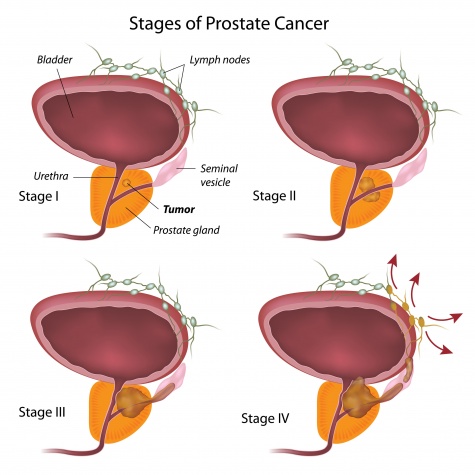 About a quarter million men this year will be diagnosed with prostate cancer and it is the most common non-skin cancer in men and the second leading cause of cancer death in men. This is especially important for African American men, as they have almost double the risk of developing prostate cancer and are about twice as likely to die from prostate cancer.
One of the most common health issues in men is one to which many men often do not want to admit – erectile dysfunction. Early onset of erectile dysfunction can be an early warning sign of cardiovascular disease. Until one talks about it with their healthcare provider, they will not find out about all the options we have to help treat it.
Very often, we know that men are apprehensive to going to the doctor.
“Getting your loved one to the clinic for a check-up can be tricky.” comments Dr. Roseman. “Sometimes engaging his close family or friends can help push him to do the right thing. Other men may respond better to pointing to being able to enjoy important life events like a child’s graduation or wedding.”
Knowing your loved one’s family history may also help you keep a closer eye out for potential issues as well. Men with a father or brother with a history of prostate cancer are at greater risk of developing prostate cancer and it is very important that they are screened.
Most men need to pay more attention to their health. Compared to women, men are more likely to:
- Smoke
- Drink alcohol
- Make unhealthy or risky choices
- Put off regular checkups and medical care
The good news is that you can start taking better care of your health today.
How can you take charge of your health?
See a doctor for regular checkups even if you feel fine. This is important because some diseases don’t have symptoms at first. Plus, seeing a doctor will give you a chance to learn more about your health.
You can also take care of your health by:
- Getting screening tests that are right for you
- Making sure you are up to date on important shots
- Watching out for signs of health problems like diabetes or depression
- Eating healthy and getting active
Recognizing and preventing men’s health problems is not just a man’s issue. Because of its impact on wives, mothers, daughters, and sisters, men’s health is truly a family issue.” — Congressman Bill Richardson (May 1994)

