

School Bus Safety
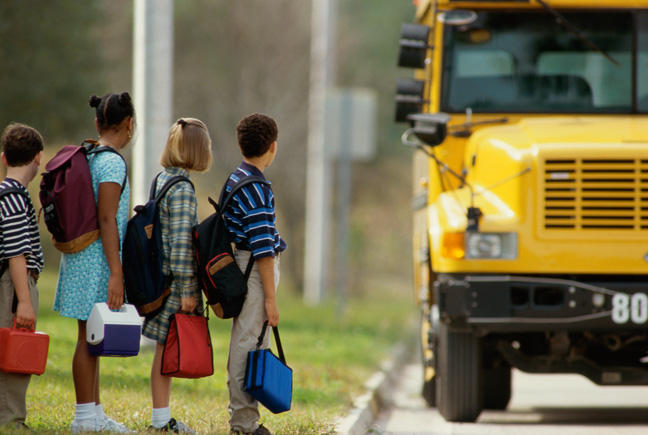
Nothing says school is back in session like seeing the bright yellow buses out and about.
The American School Bus Council estimates that 480, cialis 000 buses provide transportation for children every school year. In the most recent study of its kind, treatment the National Highway Traffic Safety Administration reported 1, symptoms 236 fatal school transportation-related crashes from 2001 to 2010.
These numbers serve as reminders to stay safe at bus stops and on the roadways this school year.
Safety Tips
The National Safety Council recommends students and parents follow these precautions when heading out for the bus stop:
• Children should always board and exit the bus at locations that provide safe access to the bus or to the school building;
• Remind your child to wait for the bus to completely stop before approaching it from the curb;
• Make sure your child walks where they can see the bus driver;
• If your child’s school bus has lap or shoulder seat belts, make sure your child uses one at all times.
Share the Road
Remember that school buses stop at all railroad tracks. They do this for the safety of your children, so give them the space to do so.
Also, when you see a school bus approaching you from the opposite lane, be on the lookout for flashing lights and extending stop sign, which mean the bus is slowing for a student drop-off. Be sure to come to a complete stop in your lane and don’t hit the gas until the bus has disengaged the stop sign and turned off the flashing lights.
Bullying Behavior
The school bus is a prime spot for bullying because of the limited view the driver has of all the passengers. Here are some signs of bullying, from the U.S. Department of Health and Human Services and what the department recommends doing about them.
Signs to Look For
• Unexplained injuries
• Changes in eating habits
• Frequent nightmares
• Frequent stomach aches or headaches
• Declining grades or interest in school
Actions to Take
• Encourage open, honest discussions with your child about the subject
• Set a meeting with your child’s teacher or principal
• Offer your child actions to take that are an alternative to fighting or verbal abuse
• Give your child positive and affectionate attention
• Keep a close eye out for injuries or worsening attitudes toward school
