
Ten Years after Hurricane Katrina:
Changing Hearts, Minds and Systems in New Orleans
By La June Montgomery Tabron
America’s Wire Writers Group
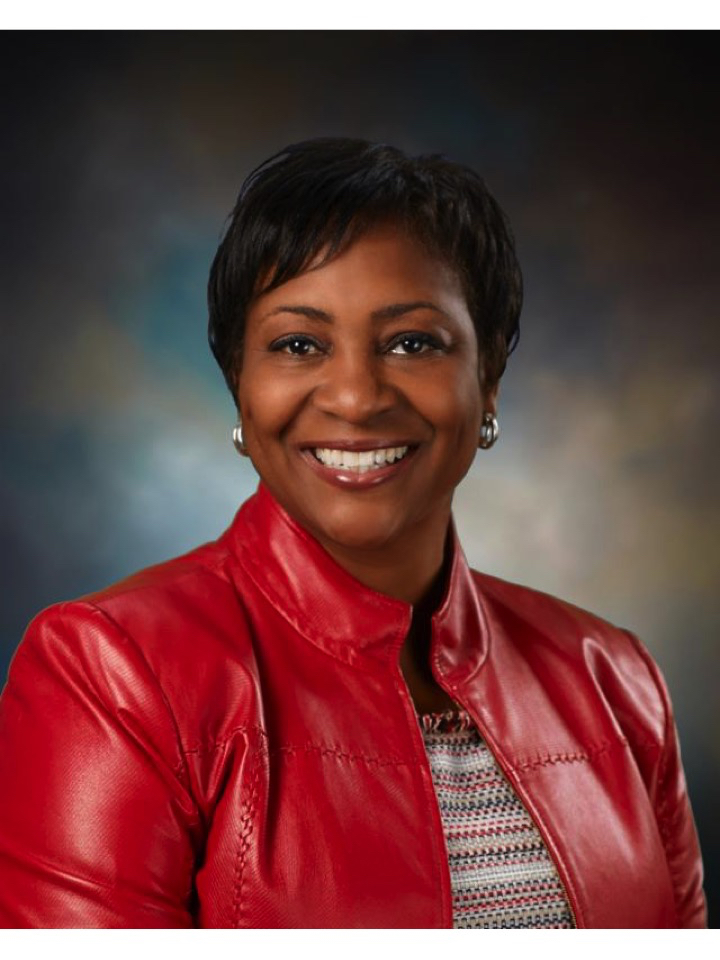
La June Montgomery Tabron
NEW ORLEANS – Ten years after Katrina devastated New Orleans, it’s time for midcourse corrections in the restoration efforts. The coalitions of foundations, nonprofits and government should pause to ensure that their investments will improve upon the pre-Katrina conditions in communities of color and that the racial and class inequities that existed prior to the storm are being adequately addressed.
Katrina was an awakening: the racial fault lines had been blurred in the city. Visits to Bourbon Street yielded fine food and music, but failed to paint a full picture of the city. Their communities and their challenges were tucked away from view. But, with Katrina, impressions of New Orleans changed dramatically.
When the hurricane struck on August 29, 2005, more than 80 percent of the residents had evacuated, leaving behind the most vulnerable – those with neither the means nor money to flee. New Orleans was predominantly African-American (67 percent) and 27.9 percent of the city’s households were in poverty, including nearly 40 percent of the city’s children. More than 1,800 people died because of the storm, 123,600 people left the city and never returned, and the black population dropped to 60 percent.
The chaos and devastation that unfolded, as the surging gulf breached levees designed to protect the city, vividly demonstrated the impact of the racial, housing, education and economic disparities. Many with access to information, transportation and funds for hotel rooms escaped; but those without resources were left behind — some desperately seeking rescues from their rooftops — to fend for themselves and depend upon badly flawed public services that failed them at this critical time.
In the immediate aftermath of the storm, people had to reconcile our perception of New Orleans. How had we missed the racial inequities for so long? It was so clear that imbalance between haves and have-nots were a major factor in where the brunt of the devastation was felt. Many communities of color were more vulnerable and thus their residents suffered far more.
This fueled the passion within the W.K. Kellogg Foundation to address the inequities.
The Kellogg Foundation had worked with grantees in New Orleans since 1942. Given these longstanding relationships, the WKKF Board of Trustees was compelled to help the children, families and communities recover. The board immediately approved a $12 million appropriation to help provide food, clothing, shelter, rescue and relocation, though the board’s focus was also on long-term recovery. The swift grant-making also helped attract other support, as WKKF funding was at times matched by other foundations, companies like Home Depot, Time Warner, AOL, Walmart, McDonalds, and by religious organizations and government agencies. Since August 2005, the WKKF commitment to New Orleans has not wavered.
Working with partners and coalitions, our work in New Orleans and the region after Hurricane Katrina has sought to lift families and children, helping to provide opportunities for them to thrive and an environment that improves life outcomes and restores hope for the future. The number of coalitions and partnerships is unprecedented in our work; we are energized by so many disparate segments of society uniting and connecting towards the goal of helping these communities rebuild. The tragedy has ignited a true sense of togetherness in this work.
Ten years after the storm, there also remains a need to rebuild infrastructure and systems. For example, the education system, while improving, is largely failing to provide children with the tools needed to be successful. To their credit, the public sector recognized that the old system wasn’t working and boldly embarked into new territory, a system dominated by charter schools. But results are not universally good. Community leaders assert that special education and parent involvement has been shunned. In a recent poll by NPR and the Kaiser Family Foundation, 53 percent of black parents were concerned about their children’s education, compared to only 17 percent of whites.
Education is an area where the city should pause, work with the community and make corrections to ensure that all children are receiving a quality education. Educational success, achievement and job opportunities are all connected.
As some champions are emerging, we do see progress. Mayor Mitch Landrieu made clear in his recent public apology for the city’s prominent role in the slave trade; no conversation about the city’s future is possible without a discussion of race and an acknowledgement of the devastating role that racism has played in the city.
A better New Orleans is on the horizon, but we must recalculate, taking what we have learned to implement fresh, informed ideas. And racial healing must be a part of it.
