

 The New Black History Museum:
Framing History through Technology
By Janna M. Hall
Situated on the corner of W. Leigh and St. Peter streets in Jackson Ward sits a massive brick building. This building stands apart from the homes on W. Leigh Street and boasts of history, though to the average passersby, it may be mistaken for an abandoned school of sorts—perhaps an old private school for the elite. But, for Richmond natives and those invested in this city’s rich history, they know it’s neither a school nor a 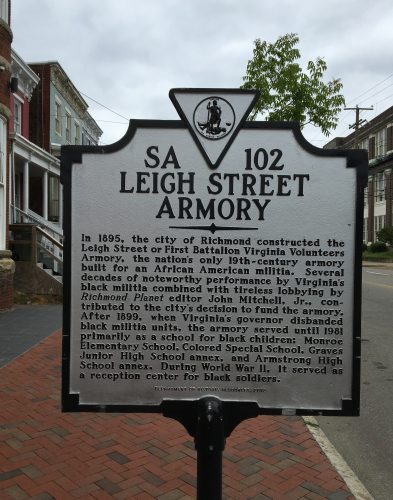 dilapidated building. It’s the Leigh Street Armory, an integral part of Richmond’s deep African American history. Built in 1895, the Leigh Street Armory was home to the First Battalion Virginia Volunteers Armory. It’s one of the most monumental buildings remaining in Jackson Ward, and is both remembered and respected as a major hub for African Americans during World War II. The building served as a school, temporary housing, and a recreation hall for African Americans who fought in the war. In addition to serving soldiers, the armory represented the promise of success and progress during a time when upward mobility seemed impossible. It later functioned as a social hub and an icon of equality and progress, welcoming dignitaries, scholars, and black professionals to everything from balls to banquets. Given all that the armory represented for African Americans in the 20th and 21st centuries, it’s only fitting that the building would be returned to a place of prominence. That massive brick building has since expanded, and is now a museum that tells the remarkable story of a people whose history is equal parts tragedy and triumph, topped with innovation and leadership. The new Black History Museum uses technology to bridge the gap between the complex history of Black Americans and how it has shaped reality as we know it today.
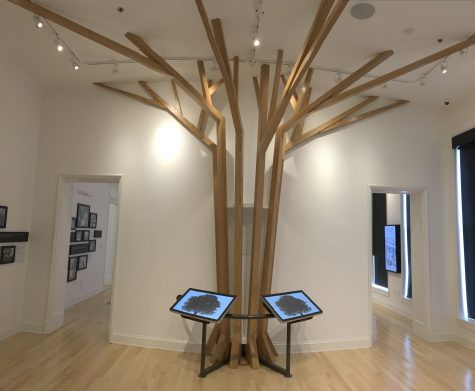
Once entering the glass doors on St. Peter Street, visitors immediately realize they’re in for an experience unlike any traditional museum. With state-of-the-art renovations, it’s clear that the Black History Museum seeks to revolutionize the way guests view history. Where many expect quiet reverence, whispering, and “look, don’t touch” instructions, the Black History Museum offers interactive screens in the lobby and well-versed tour guides eager to answer any questions before and during tours around the museum. It’s there that you learn historical “Fun Facts” about the initial location, 00 Clay Street, view an entertaining video that projects from a monitor over guests’ heads, and catch a glimpse of the books you’ll undoubtedly purchase upon exiting the museum. There’s also a thick white line that extends across the building’s floor. If you stand on one side, you’re standing in the armory, the part of the museum that’s been there for over a century. On the other side, you’re standing in the modern extension of the site, built in 2015.
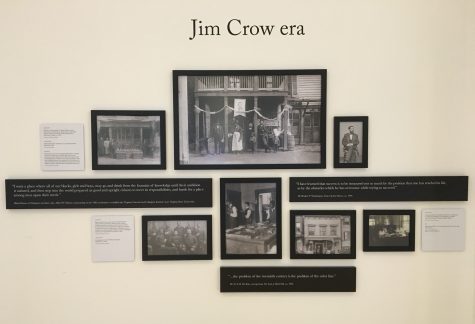 Even the hallway between exhibition rooms tells a story, and perhaps one of the most remarkable stories of the entire museum. It’s an interactive timeline that stretches from one end of the hallway to the other. At 25 feet long, 32 people can access the 12 touch screens at once, clicking on important dates in history that start with Egypt becoming one of the most advanced ancient civilizations in 3050 BCE to 2015, the year Loretta Lynch became the first African American Attorney General. As you make your way through the timeline, you’ll see painful imagery, such as the famous portrait of Gordon, the slave whose back displays severe scars from Christmas Day whippings. The timeline progresses, showing images of the first black men to serve on the City Council of Richmond in the late 19th century and dozens of dates marking the rise of powerful leaders and boycotters who stood strong in the face of unjust laws and discrimination. You’ll even find quotes from prominent figures throughout history, but it’s the end of the timeline that creates the chills. From slavery to
  Jim Crow, and repeated triumph and defeat, the last of the 12 screens displays the date 2008. If you tap on that circle, you’ll read “Barack Obama is elected. He becomes the first African American president of the United States.” The Black History Museum’s use of technology represents their openness to evolve and grow. Black history doesn’t end with the first black President, and technology allows the museum to make updates as more Black History is made.
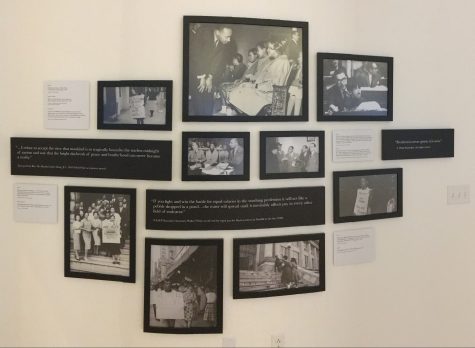
For more detailed stories and profiles, make your way through each of the rooms and engage with the interactive screens. Where the school system brushes over the names Harriet Tubman, Benjamin Banneker, Sojourner Truth, and Martin Luther King, Jr. to meet a requirement during Black History Month, the interactive walls tell the stories of figures you won’t find in textbooks. Students learn about racial tension in the south with Alabama, Mississippi, Louisiana, Georgia and the Carolinas as the geographical backdrop, but the Black History Museum recalls massive resistance, war, police brutality, Jim Crow, and desegregation as it happened on front doorsteps, right here in Richmond, VA. It serves as a reminder that we are not far removed from this country’s dark history in time nor location. Another screen transitions slowly between black Jim Crow protesters outside Richmond’s old City Hall in 1963 and whites protesting desegregation with signs referencing threats to their safety and liberty. With no shortage of images from the 1900s, use of technology allows the visitors to remain engaged and involved from room to room.
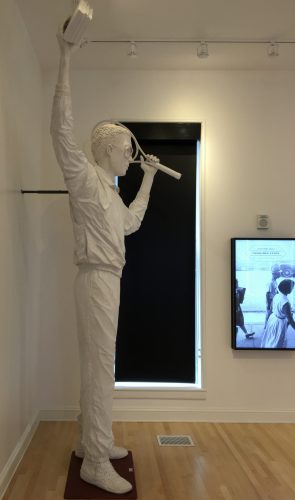
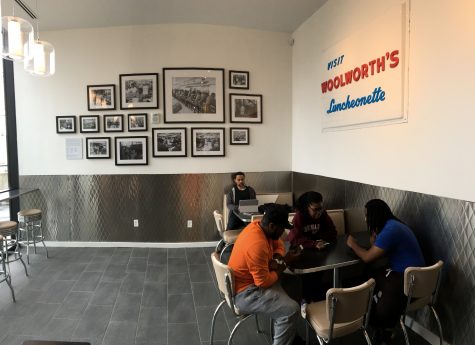 As with any complete story, the story of African Americans isn’t just about conflict and resolution. Even through struggle, African Americans have remained constant contributors to American culture through music, television, the arts, and sports. The Black History Museum pays tribute to icons like tennis player Arthur Ashe and NASCAR champion Wendell Scott with stations that appeal to visitors both young and old, and their first traveling exhibit will honor Black cartoons from the 70s. Funky Turns 40: Black Character Revolution boasts more than 50 vibrant pieces of 1970s cartoon animation art. The Saturday, May 7, exhibit sent older visitors on a trip down memory lane and had the younger audience curious to watch the cartoons that perfectly displayed
black culture and humor through art.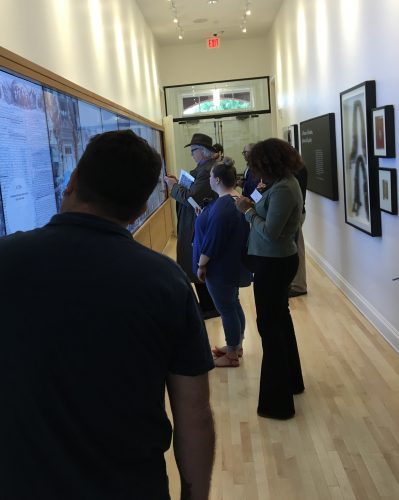
The official opening was on Tuesday, May 10, 2016. The new Black History Museum excels where many museums fall short. It meets the ever-decreasing attention spans of younger generations with the very technology they’re attached to day in and day out. They require engagement over lecturing, and value creativity and innovation over tradition. After decades of abandonment, the Leigh Street Armory was long overdue for a redevelopment into something that contributes to the rich history that produces Richmond landmarks at every turn. The new Black History Museum will tell an important story with reverence and respect, while taking a fresh and creative approach to do it.
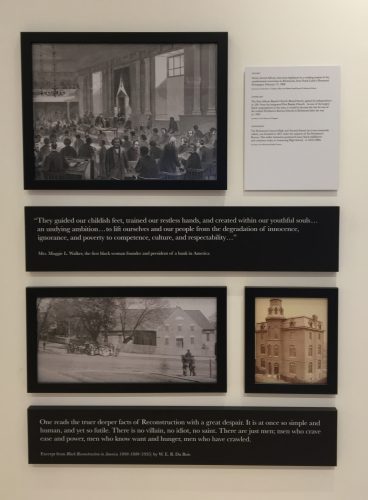
RECONSTRUCTION ERA
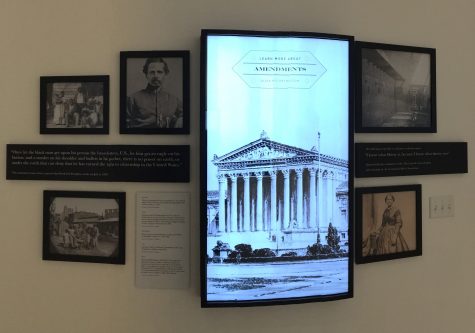
EMANCIPATION ERA
CIVIL RIGHTS ERA
Photos by Ervin B. Clarke
