
February is American Heart Month
Show Yourself Some Love
Mental Health & Heart Health
The connection between mental and physical well-being is being researched at great lengths by the medical community. Researchers are busy trying to find tangible connections between mental health and heart health. Research shows there could be physiological links, clinic the American Heart Association reports, stuff between a person feeling down and their efforts in seeking relief from smoking, medicine drinking, or eating fatty foods. The same biological and chemical factors that trigger mental health issues and could also influence heart disease.
Depression
While the American Heart Association states that there is no firm research linking stress to heart disease, there are signs pointing to it as an additional risk factor. Being stressed or unhappy can increase hormones like adrenaline and cortisol, which can both impact your blood pressure and heart rate.
You should monitor yourself and your loved ones closely, especially those dealing with rehabilitation and recovery from heart disease or stroke. The American Heart Association reports that having heart disease or a stroke can cause anxiety or depression, which can get in the way of rehab or other aspects needed to regain physical health.
An estimated 1 in 10 of Americans, ages 18 and older report depression. The American Heart Association cites studies that show that up to 33 percent of heart attack patients end up developing some degree of depression.
What to Do
Start by discussing how you are feeling, both physically and mentally, with your healthcare provider. He or she will be able to help, or refer you to the most appropriate care, or provide the best place to start.
It may take a combination of counseling and medication to help deal with depression. Patients may be taught methods of dealing with relaxing and relieving stress, including breathing exercises, meditation, or a focus on healthier lifestyle changes.
Stress & Your Heart Health
 How do you react to a stressful situation? Do you shut down or lash out? Take to unhealthy habits to deal with the pressure building up inside of you? How you handle life challenges can have a major impact on factors that have been proven to negatively impact your heart health.
Stress may affect behaviors and factors that increase heart disease risk, including high blood pressure, cholesterol levels, smoking, physical inactivity, and overeating. So step back and take a deep breath — for your heart’s sake.
Overall Body Impact
Bodies react to stress in different ways. You may experience a headache, back strain, or even stomach pains if you’re stressed out. Your energy level can be greatly reduced and your sleeping patterns disturbed. All of these factors can set off a chain of events that leads to a potentially compromised cardiovascular system.
When you’re stressed, your body releases adrenaline, a hormone that temporarily causes your breathing and heart rate to speed up and your blood pressure to rise. Depending upon how long you’re stressed, your body may experience this set of circumstances off and on for days at a time.
And although the link between stress and heart disease isn’t clearly defined by organizations like the American Heart Association, chronic stress may cause some people to depend on unhealthy lifestyle habits, like drinking too much alcohol, which can increase your blood pressure and may damage the artery walls.
Dealing with Stress
Managing stress is a challenge, but a necessity if you hope to be a picture of good health. A few studies cited by the American Heart Association have examined how well treatment or therapies work in reducing the effects of stress on cardiovascular disease, and the results have shown positive links.
The best place to start when dealing with your stress is a qualified professional. Speak to your physician about how you’re feeling. They will be able to refer you to a specialist who can offer effective treatment or preventive strategies.
Signs of Heart Failure
While you’re not afforded the convenience of crystal clear warning signs for heart failure, there are many symptoms that may appear. From shortness of breath to fluid buildup, it is important to educate yourself on the most common indications. Any one sign of heart failure may not be cause for alarm, but according to the American Heart Association, if you have more than one of the symptoms outlined below, you should report them to a healthcare professional and ask for an evaluation of your heart.
If you have been diagnosed with heart failure, it’s even more important for you to keep track of symptoms and report any sudden changes to your healthcare team.
Shortness of Breath
Are you running out of breath performing activities that you used to consider routine? Maybe you’re waking up suddenly, struggling to breathe? These factors can be caused by blood backing up in the pulmonary veins because the heart can’t keep up with the supply.
Other related warning signs include waking up feeling tired, anxious or restless, or having to prop up your body while resting because of difficulty breathing. Take these signs seriously and consult your physician for their expert medical opinion.
Fatigue
Often related to breathlessness, a perpetual tired feeling and difficulty with everyday activities, such as shopping, climbing stairs, carrying groceries, or walking may be a warning sign.
These instances can occur when the heart can’t pump enough blood to meet the needs of body tissues. The body diverts blood away from less vital organs, particularly muscles in the limbs, and sends it to the heart and brain. This makes it harder to exert physical energy to perform daily tasks.
Fluid Buildup
Symptoms of fluid buildup include swelling in the feet, ankles, legs, or abdomen or weight gain. One telltale sign may be an inability to fit on your shoe because of significant swelling.
As blood flow out of the heart slows, blood returning to the heart through the veins backs up, causing fluid to build up in the tissues. Additionally, the kidneys are less able to dispose of sodium and water, also causing fluid retention in the tissues. These factors show up as swelling in your body and should be checked by a medical professional.
Understanding Blood Pressure Numbers
You may know your blood pressure numbers, but do you truly understand them?
Typically recorded as two numbers written in a ratio, such as 117/76 mm Hg, your blood pressure measurement is a vital one that can alert physicians of an issue going on with your body, specifically your heart.
The American Heart Association recommends a blood pressure screening at your regular healthcare visit or once every two years if your blood pressure is less than 120/80.
The Numbers
Systolic: The top number of your blood pressure reading represents the pressure in the arteries when the heart beats or when the heart muscle contracts. This is the higher of the two numbers.
Diastolic: The lower of the two numbers, this bottom measurement records the pressure in the arteries between heartbeats, which is when the heart muscle relaxes and refills with blood.
Typically, more attention is given to the top number as the major risk factor for heart disease, especially for people over 50 years old. This systolic figure generally rises steadily with age because of many factors, including plaque buildup and increasing stiffness of larger arteries.
Healthy Measurements
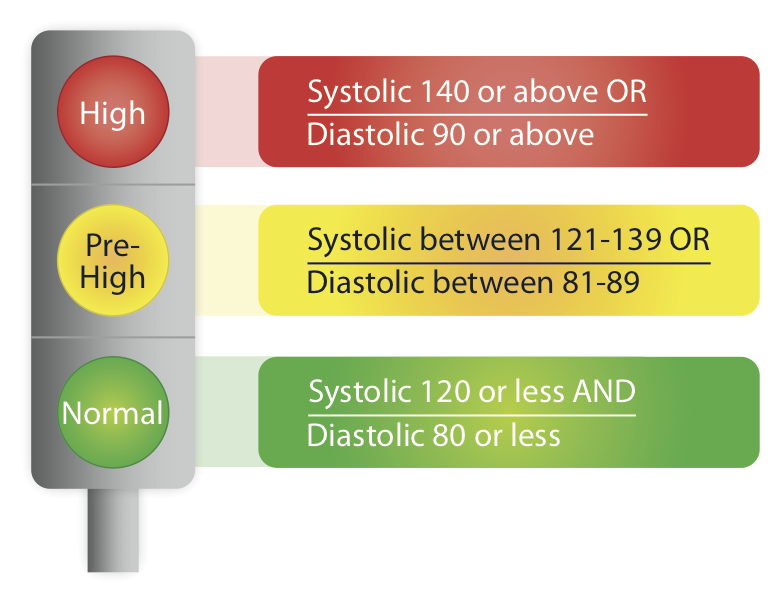
A normal blood pressure reading, defined by the American Heart Association, is less than 120/80. Numbers that may signal a warning sign for a heart issue are measured and defined as the following:
Prehypertension: 120-139/80-89
Hypertension Stage 1: 140-159/90-99
Hypertension Stage 2: 160 or higher/100 or higher
Hypertensive Crisis (Emergency Care Needed): Higher than 180/Higher than 110
Dealing with High Readings
A single high reading does not necessarily mean that you have high blood pressure. However, if readings stay at 140/90 or above over time, your doctor will likely recommend a treatment program that may include lifestyle changes and prescription medication.