

By Erika Winston

Time flies when you’re having fun and summertime is no exception. Retail stores are constantly reminding parents that the school year is right around the corner, and it’s never too early to start preparing for the transition back to school. From clothing and school supplies to registration and college travels, there is plenty for parents to do, and getting started early is the key to success.
Elementary-Aged Children
For parents of elementary-aged kids, schools tend to offer a variety of resources to assist with the back-to-school process. Supply lists are generally available by the beginning of August, giving you plenty of time to complete your shopping. You can download one from the school’s website or stop by the school during summer office hours for a copy. Many of the local office supply stores also provide supply lists for convenient shopping. Once you have your list, start shopping early. Check the local flyers regularly for weekly specials, which often include deals for as low as a quarter. Shop according to the deals and before long you will find that your whole list is checked off, with money to spare. Remember to store the new supplies out of reach from little hands. Your children may see them as an opportunity for summertime play.
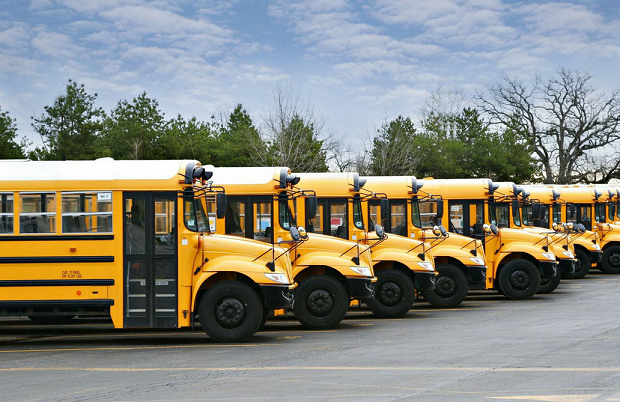
For elementary-aged children who are new to the school, anxieties are sometimes high. With some preparation, parents can help lower those fears and make the transition a happy one. Ensure that registrations are completed well in advance of the first day of school. The first day is hectic, especially in the main office. Shield your child from the confusion by finalizing classroom assignments and bus schedules in advance. Once your child is assigned a teacher, make an appointment to meet him or her, and take your student along to see the new classroom.
It’s also helpful to start the school year bedtime routine at least one week prior to the start of the school year. This will get your student ready for the early mornings and ensure that he or she is sufficiently rested for the long school days. All of these strategies can help make your child’s return to school less scary and more successful.
Tweens and Teens
Middle and high schools are the destinations for pre-teens and teenagers. The transition into an environment with higher expectations and increased personal freedom comes along with challenges of its own. New middle schoolers will experience class changes and multiple teachers for the first time, while your high school freshman is about to embark on a world filled with older students and limited supervision.
While many of the middle schools offer school supply lists for parents to use, most of the high schools do not. Make sure that your high school student has enough paper, pens and pencils to start the year. Their individual teachers will quickly let them know if particular supplies are necessary for their specific classes.
According to the parental resource site, education.com, it is vitally important for parents to communicate with their middle and high school students. Talk with your child about the increased level of independence he or she will experience. Advise them about peer pressure and provide strategies for your student to use. Discuss the importance of making smart choices and the negative consequences that come along with poor decisions. Parents should clearly communicate with their students about expectations and responsibilities. Even though these children are older, they still need structure and parameters. Communicate your rules about household chores, homework assignments, and riding in cars with peers. Tell your child when you expect them to call you. Give your middle and high school students the tools they need for success.
If your high school student plans on attending college, include the topic in your conversations. Discuss the importance of grade point averages and test scores. Schedule a meeting with your child’s guidance counselor to ensure that his or her class selection is adequate for college admissions. Parents should also pro-actively prepare the student for college admission tests, like the SAT and ACT. Identify available prep courses and practice tests early to ensure that registration deadlines are met.
Off to College
If your child is off to college this year, the preparation list is long. Tuition payments, class scheduling, and stocking the dorm room are all necessary tasks. Beatrice Jackson is a Richmond resident whose daughter was a college freshman during the 2013-2014 academic year. According to Jackson, she and her daughter began shopping at the beginning of the summer, right after high school graduation. “Being a single parent, money was an issue,” she explained. “So I started early with a lot of items while they were on sale. If I had it to do over again I would save, save, and save some more.”
 As with school supplies, many of the department stores offer weekly sales that target the necessities of college dorm life. Some schools send parents a list of suggested dorm items, which is extremely helpful in the preparation process. However, Jackson warns that some schools offer little assistance. She said it was a “challenge figuring out what you needed to bring.” If this is your situation, there are numerous dorm room checklists available on the Internet. Many home merchandise stores also offer purchase suggestions to customers.
Paying for college is generally the biggest parental concern about college. By this time, you’ve probably completed a Free Application for Federal Student Aid (FAFSA), so you know how much financial aid your student will receive. You may also have scholarships and family gifts secured to cover tuition. At this point in the game, ensure that the school’s financial aid office has accounted for all of your payment sources. There is no greater joy than to see a zero balance on your child’s tuition bill. If you are facing a pending tuition balance, talk with the school’s business office about possible payment plans or financing options. Remember that it is never too early to start preparing for college. The United States Department of Education provides parents with informational checklists to guide you in your endeavors, whether your child is a first grader or college freshman.
