
“Do not damage my good name!” is what my father and mother used to say. They had invested considerable time and energy in building a solid reputation of unquestioned integrity in and around the small northeastern city where we lived. The legacy of a “good name” is something that my siblings and I have inherited from our parents and their parents before them. It is a legacy that we have purposefully passed on to our own children along with the understanding of the tremendous responsibility each one of them has in honoring the legacy of that inheritance.
Through their heinous actions, find Adam Lanza, the shooter in the Sandy Hook massacre and Elliott Rodger, the shooter in the University of California Santa Barbara killings have forever been branded as murderers, and in the process they have denigrated the names and reputations of the families that claim them. People like Donald Sterling and Cliven Bundy, through their actions, have besmirched the status and standing of their family name. By association people will, both through implication and direct inquiry, question the racial and social beliefs of those who are closest to Bundy and Sterling. Monica Lewinsky’s name will forever be tied to lewd conduct unbecoming both the young woman herself and the Office of the President with whom she consensually acted however unfair that characterization might be.
The family and friends of the aforementioned people have been singed with the embarrassment, unfortunate affiliation, and notoriety their family name has wrought due to the actions of their relatives, whether or not they were close or estranged. Shame and regret are difficult emotions to bear largely because of the state of helplessness and hopelessness in which they leave us.
What’s in a name? When that name is one held in high regard, the benefits can be quite lucrative. Doors open, giving you a pathway to success, that have less to do with your ability and more to do with the unmerited favor your good name brings with it. Conversely, anti-social and abhorrent behavior and actions by those whose name is shared by others are often adversely affected, their reputation sullied, and personal integrity questioned simply because they are related to the offenders by family name.
We were taught that we represented our family every time we left the house. “You are not your own.” Our parents would constantly remind us. “You belong to us.” We carried the responsibility of upholding the “good name” upon which we stood. Many of the choices I made or didn’t make throughout my lifetime were because I was considering how that decision would affect my family, both immediate and at-large. I felt a sense of responsibility to the name I carried and the people I represented. I never wanted to be an embarrassment or disappointment to those who had worked so hard to accomplish so many things in the face of such insurmountable odds. They passed to me the pricelessness of their “good name” and I had the enormous responsibility to carry it forward with honor and integrity so that when I passed it on, it would be even more valuable than it was when it was given to me. It is called legacy, and a positive one begins with a good name. What’s in a name? More than you know.
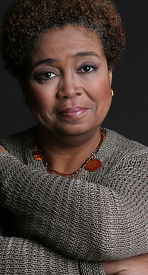 Dr.T
Dr.T
Tawnya Pettiford-Wates, Ph.D.
Founder and Artistic Director
The Conciliation Project and
Associate Professor
Virginia Commonwealth University
DrT@Margins2theCenter.com
www.theconciliationproject.org
