

By LaTika Lee
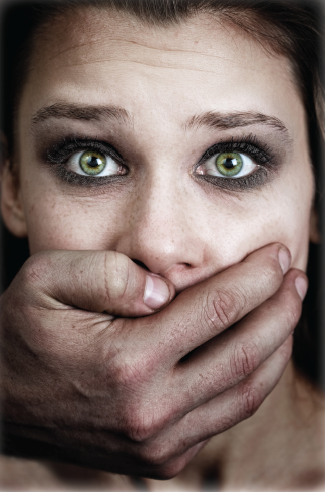
October is Domestic Violence and Sexual Assault Awareness Month. It is a hidden crime that can happen to anyone at any time in his or her life, but it is never the victim’s fault. This month’s observance will highlight issues and generate awareness to “Stop the Violence and Break the Silence”.
Victims of domestic violence come from all walks of life – all cultures, all income groups, all ages, and all religions. One local clinician says that domestic and sexual violence does not discriminate. It affects every demographic in our community – from the executive powerhouse to the single, teenage mother – and each must come to his or her own path to break the cycle of violence.
Domestic violence is a pattern of abusive behaviors used by one individual intended to exert power and control over another individual in the context of an intimate or family relationship.
Preventing domestic violence is critical to promoting safety within our families. Statistics show that one out of every four women in this country will suffer some kind of violence – emotional, physical, psychological – at the hands of her husband or boyfriend in her lifetime. According to a 2010 National Intimate Partner and Sexual Violence survey, which was sponsored by the Centers for Disease Control and Prevention, women account for approximately 85% of intimate partner violence and men account for 15% of the victims.
When domestic violence occurs, it cannot be kept private. Unfortunately, very few victims will tell anyone – not a friend, a relative, a neighbor, or the police. They share feelings of helplessness, isolation, guilt, fear and shame and as a result will not leave the situation. Violence and abuse in family relationships have negative effects that go far beyond those relationships, including stress on children, extended family members, friends and neighbors and has long-lasting effects.
Domestic Violence has no place in our society. Intimate partner violence, sexual violence, and stalking are important and widespread public health problems in the United States. On average, 24 people per minute are victims of rape, physical violence, or stalking by an intimate partner in the United States, based on a survey conducted in 2010. Over the course of a year, that equals more than 12 million women and men. Those numbers only tell part of the story—more than 1 million women are raped in a year and over 6 million women and men are victims of stalking in a year.
Sexual violence, defined as any unwanted sexual contact, ranges from verbal behavior to forced intercourse. Some examples of sexual violence include: sexual harassment, indecent exposure, sexual assault (violent contact) and battery (non-violent contact), molestation, incest, sodomy and rape. A behavior is sexually violent if intelligent consent has not been freely given.
To end Domestic Violence, we must recognize it, report it and prevent it. Victims hope that it won’t happen again, but often it does.
Recognize It – Recognize the signs of distress as soon as they become apparent. Recognize the challenges that intimate relationships bring. Learn new skills in communication and negotiation. Effective discussion cannot take place when couples are angry, hurt or intolerant. Intense emotions cloud any opportunity to seek solutions. Anger and fear can sabotage attempts to repair the relationship.
RED FLAGS: Does the person you love…
- Anger easily when drinking or on drugs?
- Hit, punch, slap, kick, or bite you or your children? pets? or destroy property?
- Try to isolate you and control who you see or where you go?
- Constantly accuse you of flirting or “coming on” to others or accuse you of cheating on them.
- Control all finances and force you to account for what you spend?
Service providers and programs are readily available throughout the metropolitan Richmond area to help survivors through relationship workshops, anger management classes, support groups and counseling.
The YWCA Richmond Domestic Violence Program offers free comprehensive crisis services for victims of domestic abuse and their families. The YWCA Domestic Violence Program serves women, men, and children in the Greater Richmond area. There is no cost to participate in the program.
Report it. Report both perpetrators and victims of abuse. Report abuse when you learn of it. Offenders need to be held accountable. Family advocacy victim and sexual assault professionals in our community advocate to decrease the likelihood that violence will recur.
- Call the police or sheriff’s office. Assault is a crime, even by family members.
- Leave immediately, or have someone come and stay with you. Go to a battered women’s shelter or call a crisis hotline for help.
- Get medical attention from your doctor or a hospital emergency room.
- Contact your family court for information about a civil protection order that does not involve criminal charges or penalties.
Prevent It. Prevent domestic violence before it starts. Prevent at risk situations by knowing that safe relationships are based on trust and mutual respect. Keep that in mind in your own relationships as well as when you encounter others in a relationship. Let people know domestic violence – whether physical, verbal or emotional – has no place in our world. Where violence occurs, trust and respect are missing or broken. Rebuild it. Make a firm decision to find healthy solutions. Don’t go it alone. Enlist others help. Promote the trust and respect that make all relationships strong.
- Talk to someone. Part of the abuser’s power comes from secrecy. Victims are often ashamed to let anyone know about intimate family problems. Go to a friend or neighbor, or call a domestic violence hotline to talk to a counselor.
- Plan ahead and know what you will do if you are attacked again. If you decide to leave, choose a place to go; set aside some money. Put important papers together – marriage license, birth certificates, check books – in a place where you can get to them quickly.
The Commonwealth of Virginia has 57 Sexual and Domestic Violence Agencies across the state. They are on the front lines of Virginia’s response to intimate partner violence, sexual assault, and stalking. They staff 24-hour hotlines, shelter victims escaping violence in their homes, comfort and support victims in emergency rooms immediately after a sexual assault or domestic violence incident and assist victims in the criminal justice process.
In Richmond, there is a team of trained volunteers, both staff and community volunteers, who escort victims to the hospital and connect them to a network of resources. Through a collaboration with YWCA Richmond, Safe Harbor and Hanover SafePlace, an accompaniment response team known as the Regional Hospital Accompaniment Team (R-HART), is a shoulder to lean on when someone needs it most. Volunteers provide information, referrals, and support.
If you’ve been affected by domestic or sexual violence, support is available to help keep you and your children safe.

1 comment
Thank you for this domestic abuse awareness article. Very informative. I hope it helps someone.
Comments are closed.