
From biography.com
Freedom has never been “free.” It has always been pursued at great cost in blood and treasure. A Long Walk to Freedom is the title of Nelson Mandela’s autobiography published in 1994. Mandela speaks of freedom in this way:
“Freedom is indivisible; the chains on any one of my people were the chains on all of them, the chains on all of my people were the chains on me.”
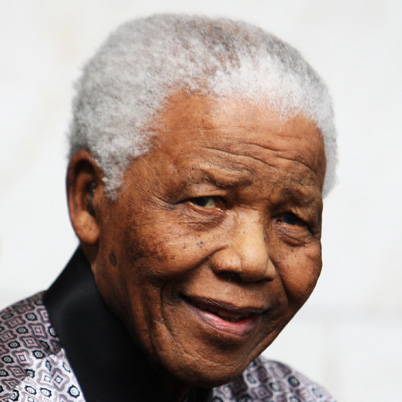
With the most recent hospitalization of the former President of South Africa, we begin to reminisce about the historic legacy Mandela embodies with respect to freedom’s journey, not only in the liberation of black people from South Africa’s oppressive and racist apartheid regime, but also as we contemplate the meaning and cost of freedom on a global scale. Nelson Mandela has spent his entire adult life fighting for the freedom of his people while providing inspiration and a collective consciousness to the citizenry of the entire world.
The struggles in apartheid South Africa mirrored the struggles of the Jim Crow era and segregationist policies present in the United States. The primary strategy used to attack the unjust and unfair policies of apartheid, segregation, systemic racism and discrimination was civil disobedience and non-violent resistance. Mahatma Gandhi, who is known as the “father” of Indian independence, inspired both Mandela and King. The road to freedom has been a long and arduous journey and yet, the struggle continues.
The Supreme Court of the United States is currently deliberating several cases that are considered foundational to the exercise of freedom in the US. In the forefront of those deliberations is the Court’s reevaluation of the Voting Rights Act of 1965. In response to discriminatory imposed requirements where black voters had to meet standards of literacy and other measurements “validating” their ability to cast a ballot that white voters did not have to meet, President Johnson signed into law the Voting Rights Act outlawing such practices as racially biased and a violation of the rights guaranteed to every American under the Constitution.
Here we go again! Given the herculean efforts employed by the GOP to suppress the vote in the 2012 elections and actively engage in tactics to disenfranchise voters who were overwhelmingly black and brown people, the need for a reinstatement and recognition of the Voting Rights Acts as essential to ensure equal access to the ballot box seems to be obvious. However, several conservative members of the SCOTUS have actively signaled their disdain for long held jurist prudence towards initiatives that address racial inequality and affirmative action.
It is clear we have come a long way. Slavery has been abolished; legalized segregation has been outlawed in public education, accommodation and housing. And yet, we still have a long way to go on many levels and in many arenas. If the SCOTUS turns back the progress achieved through legislation like the Voting Rights Act, well…the long walk becomes longer still. If you are one of those who have relaxed because you think the Civil Rights Struggle is over, I challenge you WAKE UP! The SCOTUS may be about to take us backwards and while doing so add more weight to our burden and miles to our journey. The struggle continues! Talk to me!
 Dr.T
Dr.T
Artistic Director and Founder
The Conciliation Project
Professor at Virginia Commonwealth University
DrT@Margin2theCenter.com
www.theconciliationproject.org
