

Most of the food we eat is converted into energy for our bodies to use by way of turning into glucose, or sugar. Sometimes, the pancreas, the organ that creates insulin (a hormone that helps convert normal sugar into glucose) produces insulin it can’t use efficiently or simply doesn’t produce enough and sugar builds up in your blood. This condition is diabetes.
Diabetes is the seventh-leading cause of death in the country and is most prevalent among women and almost all minority groups. Like most diseases, diabetes can be passed through families or developed by one’s lifestyle choices. Typically, Type I diabetes is more likely to be hereditary and diagnosed in children while Type II diabetes is usually developed throughout one’s life.
Unlike some chronic conditions, like high blood pressure, there are signs of diabetes. Often, diabetes is characterized by frequent urination, excessive thirst, weight loss (without trying), numbness or tingling in extremities (hands and feet), sudden changes in vision, sores that are slow to heal or dry skin. There are more symptoms, but these may help your doctor decide if you have diabetes.
According to the CDC, the easiest way to prevent or delay diabetes (not all types can be controlled by taking precautions) is to maintain a healthy weight and exercise regularly. The CDC stresses the importance of maintaining a healthy weight to avoid diabetes because being overweight can affect the way the body makes and uses insulin.
In addition to family history, you should be tested for diabetes if you have been pregnant and experienced gestational diabetes, have high blood pressure or cholesterol or live a relatively inactive lifestyle.
Please consult your doctor before implementing any diet or exercise routine or if you believe you may have diabetes.
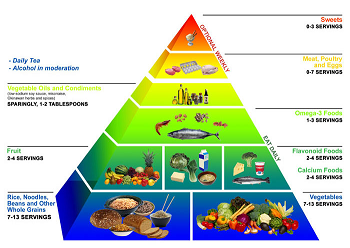
- The food pyramid, created by the United States Department of Agribusiness, helps guide what a healthy diet looks like for the average adult. Please remember to consult a doctor before implementing any new diet plans.

1 comment
[…] The city of Richmond will be focusing on encouraging residents to drink more water this month and even though we all know it's a healthy choice, it's not always enough to skip on a caffeinated or sugary drink. One way to motivate yourself to drink more water is to consider the negative effects soda can have on your body. There are some obvious side effects: weight gain, tooth decay and it's not exactly budget-friendly. But did you know drinking too much soda can lead to osteoporosis, asthma and heart disease? Soda's high sugar content can also put you at a higher risk for diabetes. […]
Comments are closed.