
By Janna M. Hall | CEO, Leap Innovative Group
www.LeapInnovativeGroup.com
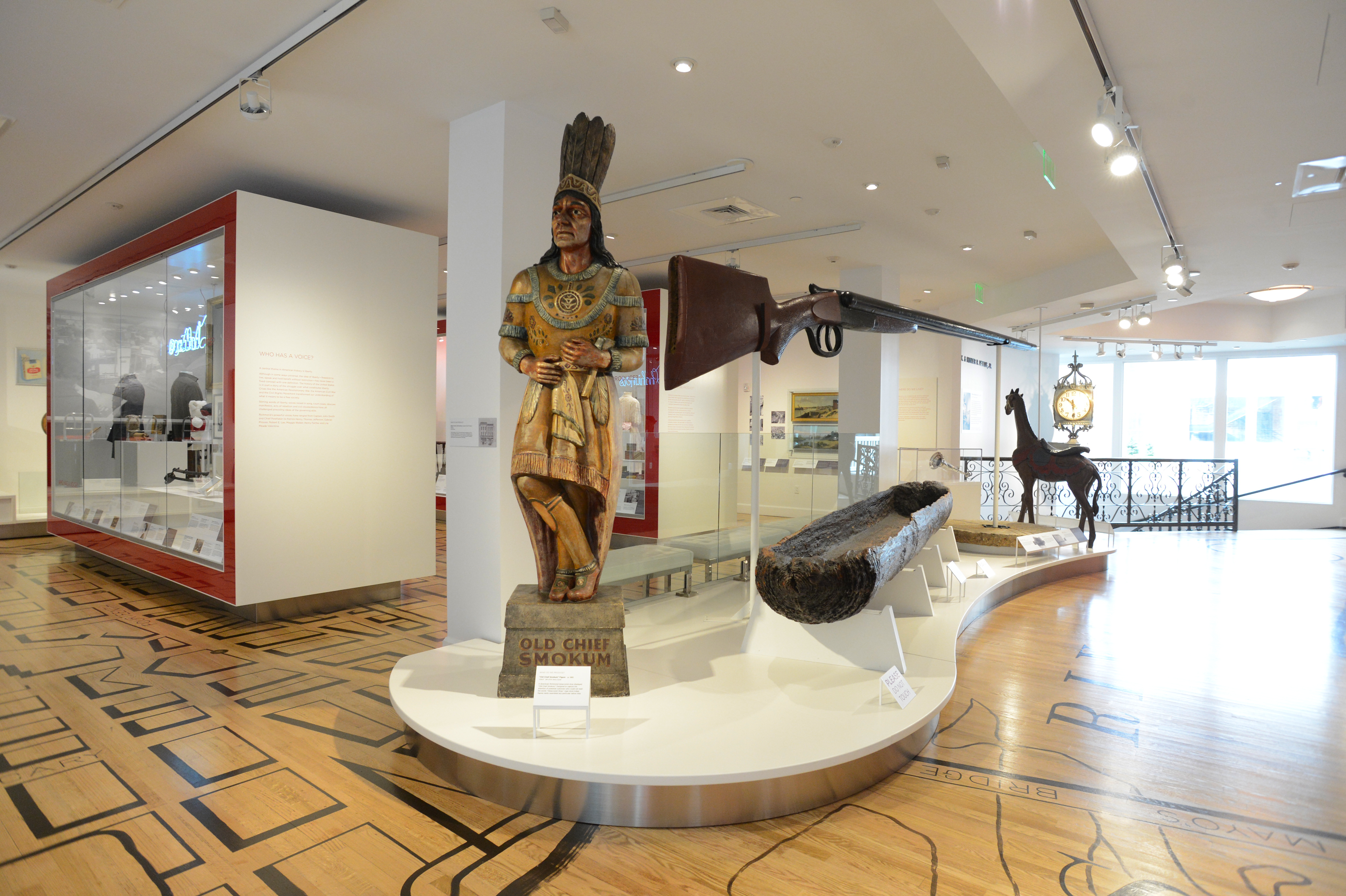
the Valentine, image of our permanent exhibition ‘This is Richmond, Virginia’
When it comes to the great city of Richmond, VA, two things are certain: it’s overflowing with rich history, and there’s no shortage of residents who are passionate about preserving, honoring, and even revealing that history. From our prominent role in the slave market and legacy as “Capitol of the Confederacy” to the beautiful James River that flows through the heart of Virginia, Richmond has remarkable stories to tell—stories that define where we’ve been, where we are today, and where we want to go in years to come.
The connection to the past and present, however, isn’t one often made. The monuments that line Monument Avenue, for example, are emblems of the past, but we speak faintly on what views those men represented and how they affect life as we know it today. When it comes to issues of redlining in Richmond, we acknowledge the impact it had on this city’s residents in the 1930’s, but what about today? Our past doesn’t live in a bubble that occupies only a certain space in time; no, the thoughts and motivations behind every action spills over into the present and affects lives today both passively and actively.
The Valentine’s “Controversy/History” series delves into making that connection between Richmond’s unique history and
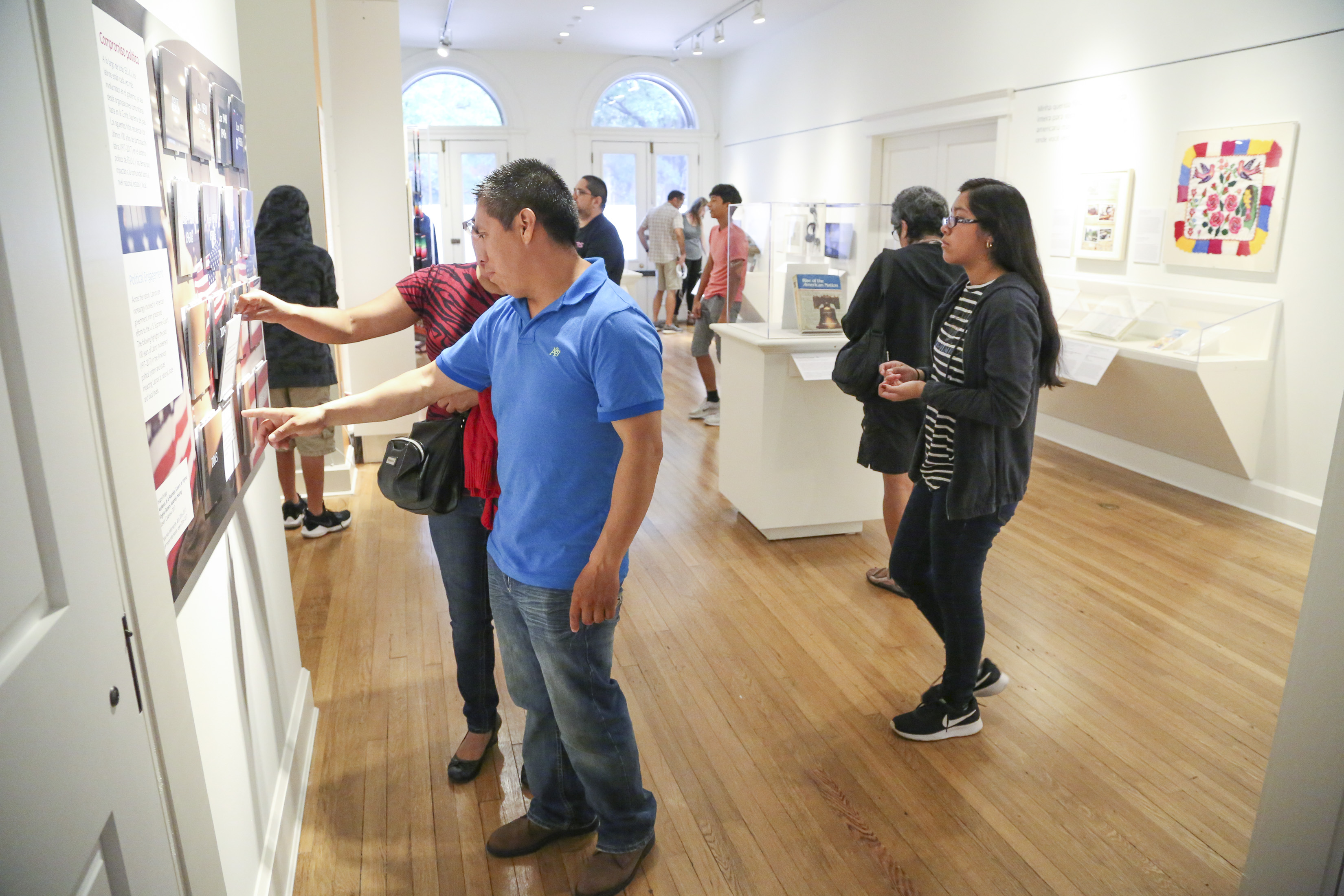
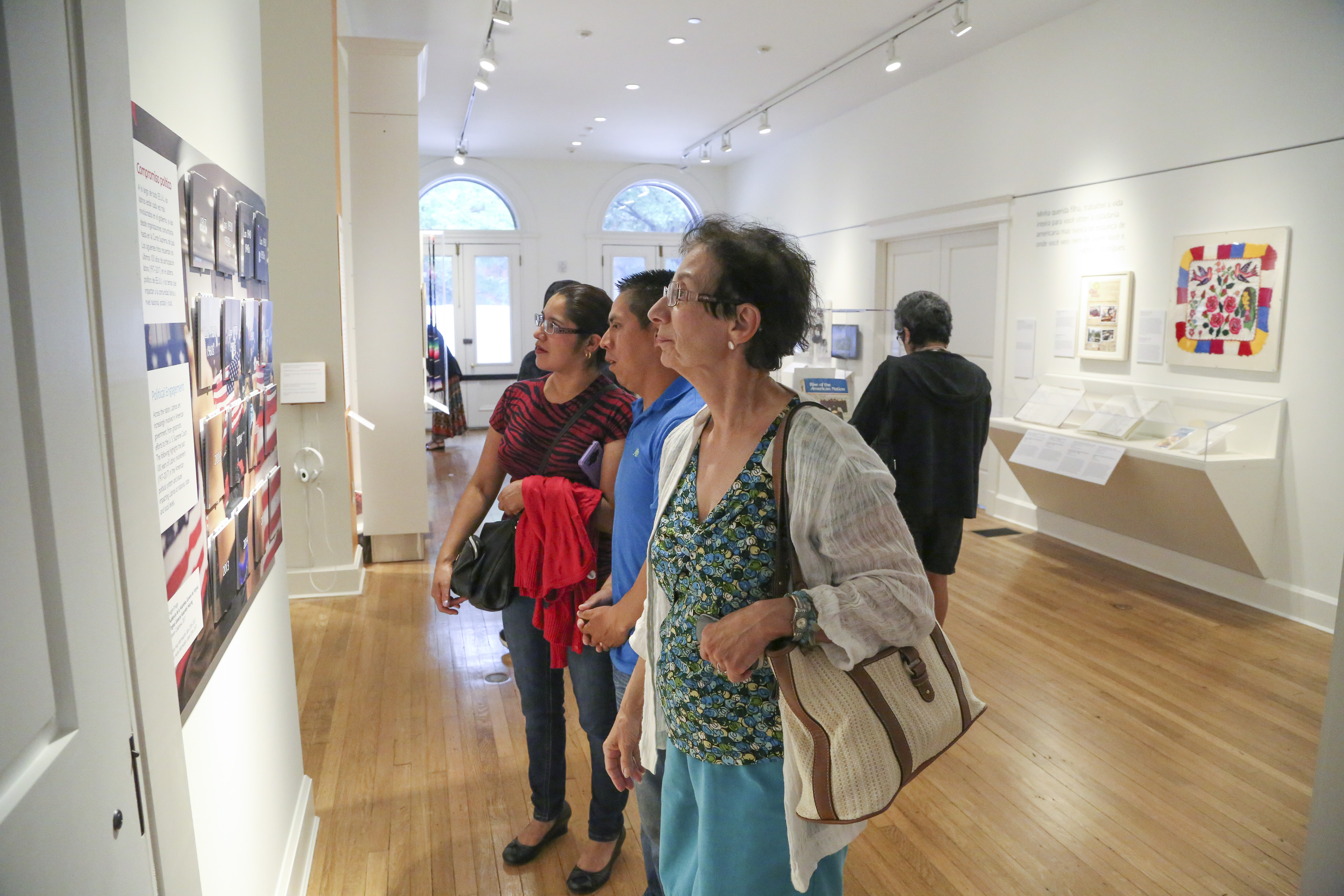
Dan Currier, attendees seeing Nuestras Historias Latinos in Richmond on opening day
how it factors into today’s world. Located on East Clay Street in the heart of historic downtown Richmond, The Valentine boasts around 1.6 million artifacts, photos, and trinkets that have been collected for over a century and tell compelling stories from over 400 years ago. The museum was founded by the prominent Valentine family, who after the Civil War realized that in order to make Richmond a great city, there had to be a way to provide access to public education and connect our history to the rest of the world. That came in the form of the first museum in the capitol city, a museum that committed to providing quality historical education to all of its residents. Up until the 1950s, it was the only museum Blacks could attend, and their early exhibitions on the African American community supplemented the lack of a Black history museum. In a city most dedicated to remembering their role in the Civil War, The Valentine’s exhibitions showed a complete snapshot of the various groups and movements whose contributions make Richmond what it is today. From the women’s and worker’s movements to LGBT history and the first ever bilingual exhibition dedicated to our Latino community, everyone has a seat at the proverbial table in Richmond history.
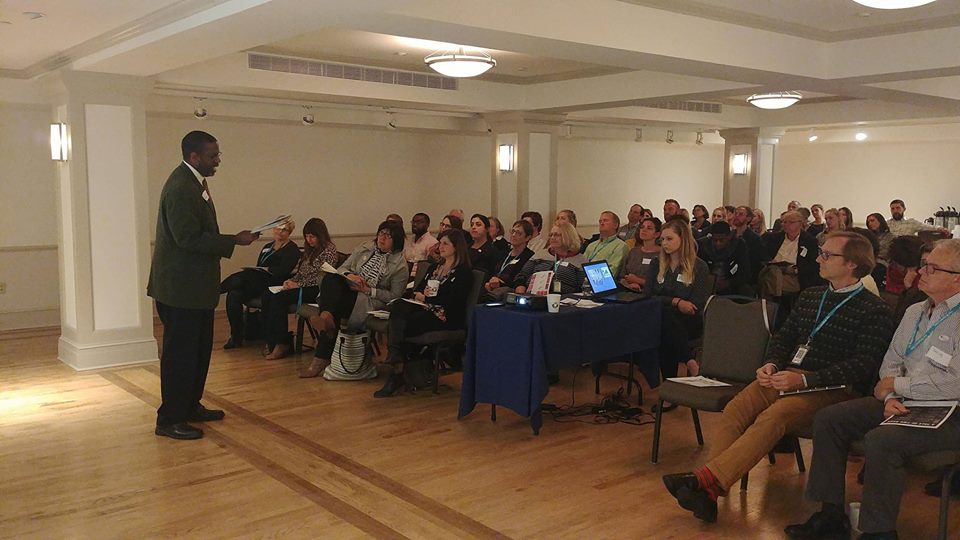
Photo: Eric Steigleder, Professor Henry L. Chambers, Jr. from the University of Richmond speaking at the first Controversy History event
The tradition of challenging the community to think different about history, especially in a city so passionate and committed as Richmond, isn’t always an easy feat; it certainly comes with risks. But that’s exactly why Bill Martin, who’s spent over two decades as the Director of The Valentine, welcomes this challenge with Controversy/History. The monthly series touches on a myriad of topics including highway construction, monuments, and voting rights, and his hope is to engage the community at large and welcome meaningful dialogue about the connection between our past and present. And though the most recent event focused on monuments—all monuments, not just the hot-button issue of Monument Avenue—the series seeks to give context to history as we know it.
“It’s important to talk about how we remember,” explains Martin. “Whether it’s the dress in the attic from your great grandmother, or a cemetery for a loved one that’s gone, or even monuments of Columbus, Washington, or Maggie Walker, how are you remembering these things? We have to acknowledge that monuments aren’t always about what they’re appearing to be. So we have to discuss what these things mean for the people in our community.”
It’s true; interpretation of history varies from person to person depending on their unique tie to the artifact or memorial.
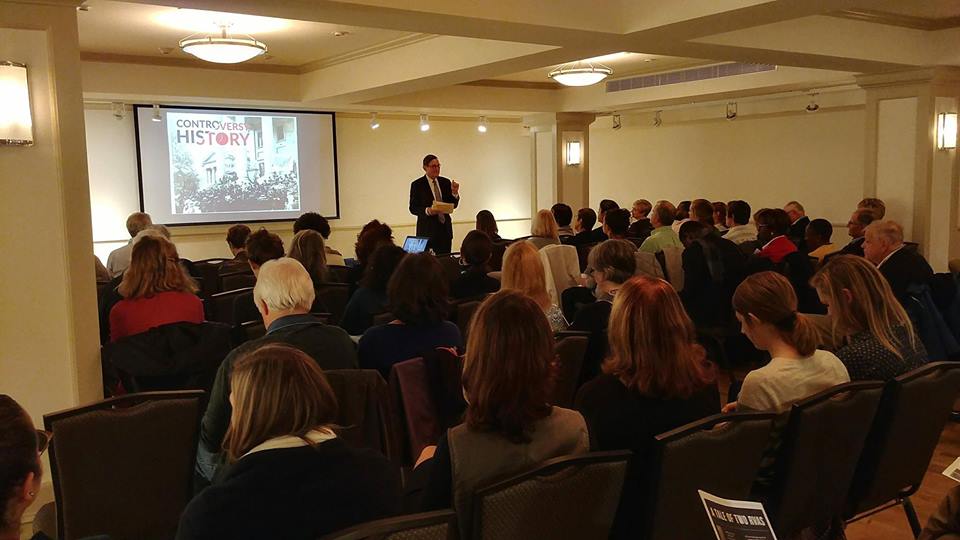
Photo: Eric Steigleder, image of the first Controversy History event on voting rights and redistricting
Martin uses the example of Oakwood Cemetery, a large scale, city-owned burial ground for Confederate soldiers. Across the street, you’ll find Creighton Court, a predominately Black housing project in Richmond’s East End.
“What does it mean for a Black child to wake up and see a city-owned cemetery that marks the graves of 17,000 Confederate soldiers?” Martin asks. “People have different reactions and personal responses to the environment around us. When we begin to acknowledge that we’re all complex people with differing and even opposing views, we can begin to reach understanding. Most importantly, we need to understand the concept of unintended consequences.”
Controversy/History uncovers these unintended consequences of the structures and systems in place today to tell a complete story. For example, the institution of public housing.
“The impulse for public housing was for veterans of World War II,” Martin explains. “It was much better than the housing they would’ve returned to that had no plumbing. The unintended consequences? It concentrated poverty.”
In February, the series will discuss the interstate highway system and its unintended consequences, as well as the construction of the GRTC Pulse, which will serve a 7.6-mile route along Broad and Main Streets, from Rocketts landing to Willow Lawn.
“Everyone loves driving up I-95,” says Martin. “But do they realize that 10% of Richmond’s African American community lost their housing? What are the unintended impacts of a new technology decision? The Pulse is great because it’ll make sure everyone can get downtown, but there are some neighborhoods it won’t go into. So now, we have to talk about why it’s not going into those neighborhoods. Everything has an unintended consequence.”
“Friends on Facebook are not friends,”
The series, a partnership with Capital Region Collaborative, will kick off 2018 on January 2nd with a discussion of immigration, specifically Italian immigration into Richmond. This will coincide with the President’s decision on the Deferred Action for Childhood Arrivals (DACA), which is sure to garner rich conversation about our city’s longstanding history with immigrants of all backgrounds.
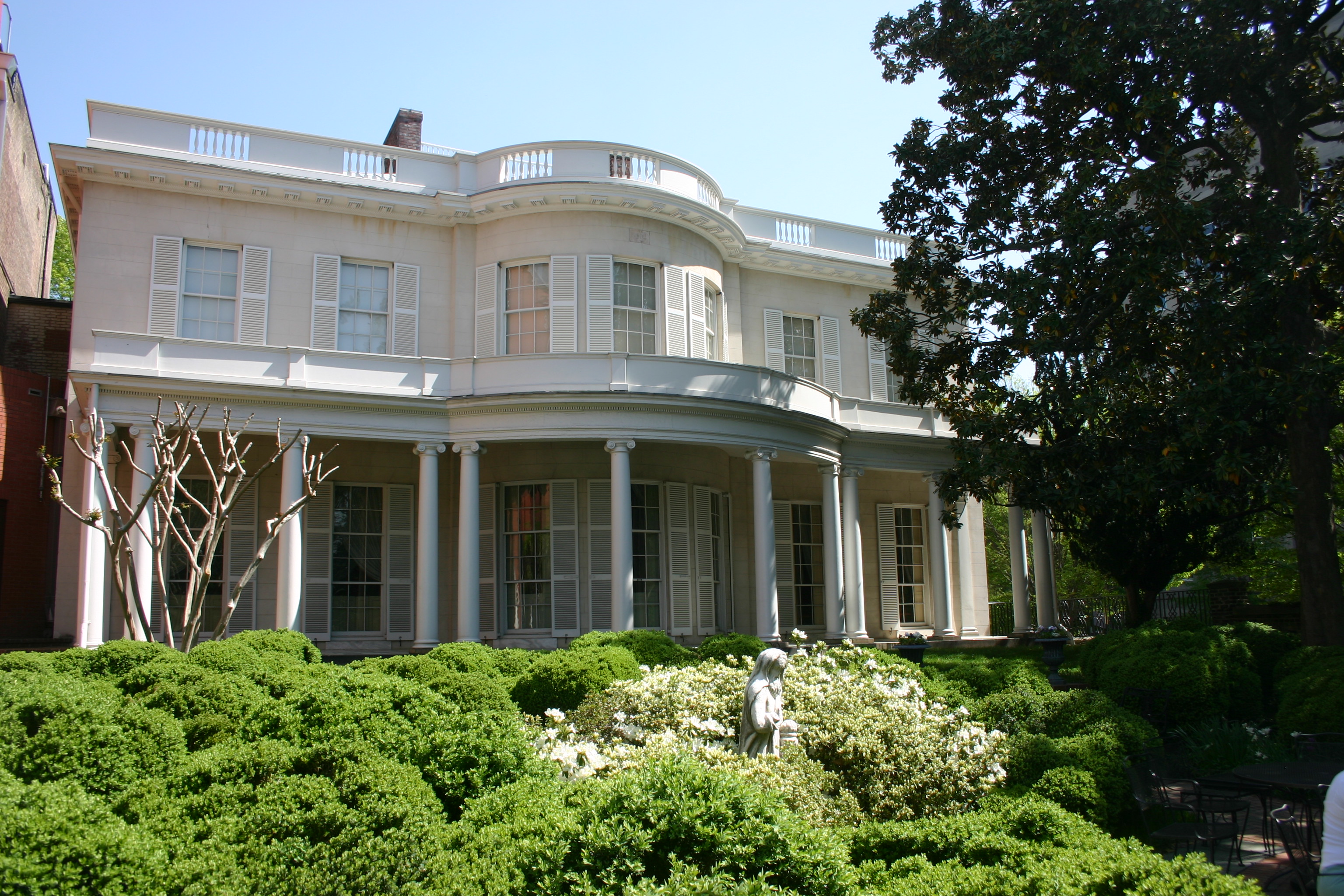
The Valentine, the 1812 Wickham House
Co-hosted by Richmond’s Kelli Lemon, this series invites a diverse crowd to elevate the conversation around the issues about which they’re most passionate. Martin’s hope is that we draw connections from our past to our present through meaningful dialogue, and leave with actionable steps to invoke change in our community. But Martin believe it all starts with face-to-face conversation.
“Tweets are not a conversation.
“Friends on Facebook are not friends,” he says. “Tweets are not a conversation. Look someone in the eye and talk to them and you will change. But it’s rare that people with differing views are willing to sit in the same room. That’s why we’re excited to make sure everyone comes. The face of our events need to look like the face of our city.”
To learn more about The Valentine Museum, or to see the full list of Controversy/History dates and times, visit their website here.
