

By Janna M. Hall | CEO, Leap Innovative Group
www.LeapInnovativeGroup.com
Founder. CEO. Entrepreneur.
These words exude power. They indicate that you’re the head. The “Big Boss,” if you will. Every day, a new entrepreneur registers their small business, ready to provide some exceptional product or service to their local community. In fact, small businesses are the lifeblood of many communities. According to the U.S. Small Business Administration, Virginia alone boasts 681,517 small businesses, making up 97.7% of all Virginia businesses, and have created around 1.5 million jobs. When it comes to minorities, we’ve seen a 33.8% increase in minority ownership, meaning that more people of color are providing opportunities, jobs, and circulation of the dollar within their communities.
Entrepreneurship is important to the African American community for a number of reasons
Did you know that according to the U. S. Census Bureau there are over 14,000 black-owned businesses in the Richmond Metropolitan Statistical Area? From financial services to hair salons, there’s no shortage of companies that not only serve the black community, but are run by its own members. It’s no surprise that as that number grows, others are inspired to wear the hat of CEO. Unfortunately, though, most businesses fail within two years of their founding, so we’ve all got a responsibility to educate, support, and uplift entrepreneurs in order to ensure their success.
We talked with four Richmond-based small businesses from all stages in their entrepreneurship journey to learn exactly what it takes to build a successful brand and business, but to also discuss common struggles and roadblocks. It’s no walk in the park, the entrepreneur life. Preparing yourself for the ups and downs while fully understanding the importance of perseverance is key in ensuring longevity.

Jevata Herman, Phone: (804) 864-2932
“Entrepreneurship is important to the African American community for a number of reasons,” explains Jevata Herman, Cosmetology Instructor and Owner of Canvas the Salon, located in Richmond’s Jackson Ward neighborhood.
“Single parenting two, I’ve shown my family how you can do what you love while empowering others along the way,” she says. “Not only are we creating jobs, but we are also providing a platform for others to develop the necessary skills and relationships to pursue their own idea of success. It’s imperative that the commitment to give back is woven into our purpose as entrepreneurs. We are truly innovative and brilliant as a people; sometimes we just need the exposure to show us there is a better way.”
And there is indeed a better way. Gone are the days where the masses seek to work for someone else; they want to take control of their destiny. And while not everyone is interested in entrepreneurship—after all, businesses need employees—what we’re seeing is an increased interest in tapping into those innovative and brilliant minds to which Herman refers.
Aaron W. Smith, President and Founder of A.W. Smith Financial Group, believes that not only is entrepreneurship
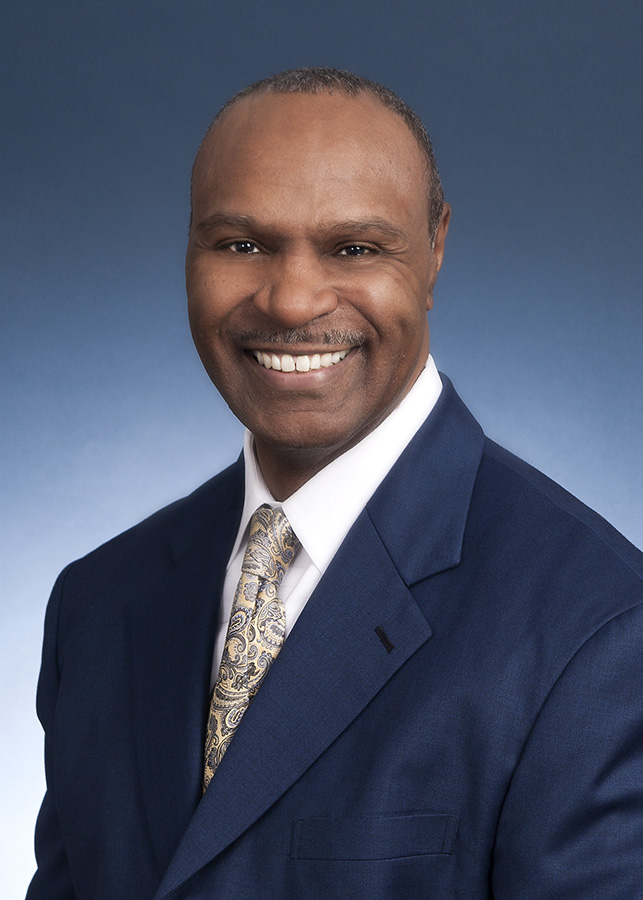
Aaron Smith, Phone: 804.346.5900
important for African Americans, but there’s direct need for more people of color in the finance sector. “[The financial services industry] is one of the best professions for the person of color due to the current and future increase in our country’s demographics and lack of advisors to serve this population,” he says. “Professional organizations and companies are starving for applicants of color.”
Unfortunately, we don’t often learn of entrepreneurship opportunities in finance sectors; creatives are often encouraged to launch a business, while business schools focus more on landing jobs at financial institutions. Smith knows first-hand the importance of adding black-owned finance companies to our community, and encourages others to undergo the process.
“Intern for a financial services company to determine if that profession fits your skill set and temperament,” Smith advises. “Each student must be sponsored by a Broker or Dealer, meaning you couldn’t go directly into entrepreneurship, but you would learn the ropes and venture out into your firm. Obtain the proper certifications and licenses and take the necessary exams to obtain full employment with maximum salary.”
Most importantly, Smith advises students and aspiring business owners to keep their eye on the prize of being “Owner,” and understand that businesses need each other in order to survive and thrive. Partnership is key, be it with other owners or mentors from whom you can pull knowledge.
Once you’ve established the “why” of your entrepreneurial journey, it’s time to break down the “how.” At the most granular level, it starts with branding. Who are you? What do you stand for? What are your company’s values? What sets it apart from others of its kind? Brand identity is what people will think and say about your company when you’re not around to speak on its behalf, and is what will turn prospective customers to or from your business.

Shannon Williams, Phone: 804-404-3738
Shannon Williams, Principal Designer and Owner of Ryano Graphics, is an expert in the visual aspects of brand development and believes that your brand is the foundation for how you’ll operate as a business.
“Build your brand from the beginning,” she says. “It’s important as a business owner to define who you are, the service you offer, and your target audience. In addition to the basic understanding of your company, it’s equally important to have a solid visual brand. This includes your logo, trademark, icons, etc.” The brand should be consistent and cohesive across the board, from websites to collateral, packaging, and/or social media posts.
“Building your brand will take time and money,” she admonishes, “but it will pay off. Don’t be afraid to invest in your business from the start.”
Investing in your business isn’t just financial, either. There must be an emotional connection and passion for the work you do. This investment is often the driving force behind overcoming the inevitable roadblocks, especially early on. Identify potential threats to success, and get creative in working around them if and when they arise.
“My biggest struggle with getting started is building clientele,” says William Womack, Founder and Executive Chef of The Private Club. The Private Club was established in May 2017 with the mission of providing personal chef and catering services that encourage whole and heart-healthy eating without sacrificing flavor. Only six months into his journey, Womack recognizes that it’s tough building a network right away.
“People need to trust that they’re in good hands with the product and services you provide, and it’s hard because they don’t know what to expect from a stranger. I reassure them that I’m skilled and 100% equipped and prepared to provide the highest quality of service.”
Womack also recommends using friends and family as your first “clients” in order to grow your skill set, get honest feedback, and build a portfolio that will help with marketing to the public. More important than anything, he believes, is persevering through trying times and keeping your eye on the goal. No two career paths are the same, so you must commit to your own process and timing.
“Patience is the key,” he says. “That’s the only way you’ll make it through the ups, downs, and roadblocks. Why stop today when your breakthrough could be tomorrow?”
