
 The likelihood that you and your family will recover from a disaster tomorrow often depends on the preparations you make today.
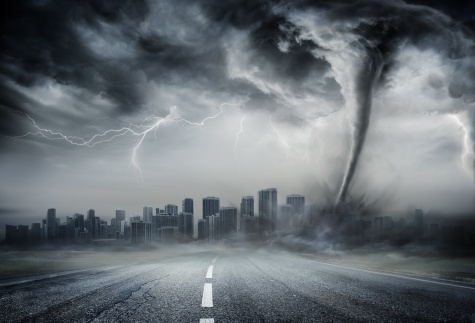
It is hurricane season, and as we move into this dangerous season it is important that you prepare yourself, your family and your home. Hurricanes are massive storm systems that form over the water and move toward land. Threats from hurricanes include high winds, heavy rainfall, storm surge, coastal and inland flooding, rip currents and tornadoes. Hurricanes are the most violent storms on Earth, according to NASA. At heart, hurricanes are fueled by just two ingredients: heat and water. Officially, the Atlantic hurricane season starts June 1 and runs until Nov. 30. In the Eastern Pacific Ocean, hurricane season begins May 15 and ends Nov. 30, according to the National Weather Service.
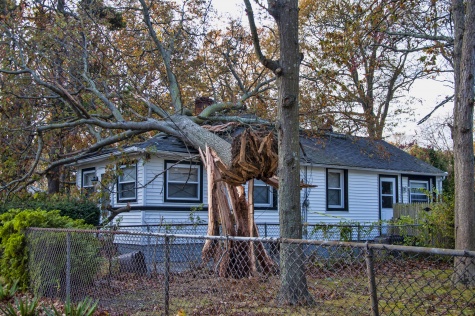 “It only takes one storm to change your life and community!” comments Anthony McLean, Coordinator Office of Emergency Management for the City of Richmond. “Preparing for a hurricane before it actually arrives is important because it could not only save your life, but also save the lives of people around you.”
According to the National Hurricane Center, the two key factors contributing to weather safety during hurricanes are preparing in advance for the risks and to act on those preparations when alerted by emergency officials.
So, how are hurricanes categorized or scaled to help us prepare? The Saffir-Simpson Hurricane Wind Scale is a 1 to 5 rating based on a hurricane’s sustained wind speed. This scale estimates potential property damage. Hurricanes reaching Category 3 and higher are considered major hurricanes because of their potential for significant loss of life and damage. Category 1 and 2 storms are still dangerous, however, and require preventative measures.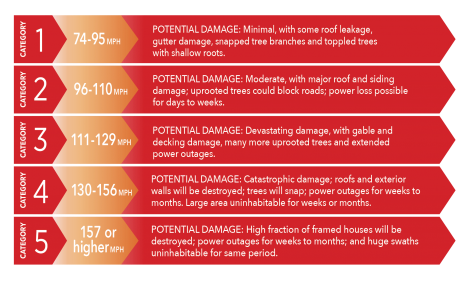
When There is No Hurricane – Make a Hurricane Plan
Basic Preparedness Tips
- Know where to go. If you are ordered to evacuate, know the local hurricane evacuation route(s) to take and have a plan for where you can stay. Contact your local emergency management agency for more information.
- Put together a disaster supply kit, including a flashlight, batteries, cash, first aid supplies, and copies of your critical information if you need to evacuate.
- If you are not in an area that is advised to evacuate and you decide to stay in your home, plan for adequate supplies in case you lose power and water for several days and you are not able to leave due to flooding or blocked roads.
- Make a family emergency communication plan.
- Many communities have text or email alerting systems for emergency notifications. To find out what alerts are available in your area, search the Internet with your town, city, or county name and the word “alerts.”
Making a Plan – Keeping Your Family Safe
- Understand how to receive emergency alerts and warnings. Make sure all household members are able to get alerts about an emergency from local officials. Check with your local emergency management agency to see what is available in your area, and learn more about alerts by visiting: ready.gov/alerts.
- Discuss family/household plans for disasters that may affect your area and plan where to go. Plan together in advance so that everyone in the household understands where to go during a different type of disaster like a hurricane, tornado, or wildfire.
- Collect information. Create a paper copy of the contact information for your family that includes:
- phone (work, cell, office)
- social media
- medical facilities, doctors, service providers
- school
- Identify information and pick an emergency meeting place. Things to consider:
- Decide on safe, familiar places where your family can go for protection or to reunite.
- Make sure these locations are accessible for household members with disabilities or access and functional needs.
- If you have pets or service animals, think about animal-friendly locations.
Examples of meeting places:
- In your neighborhood: A mailbox at the end of the driveway, or a neighbor’s house.
- Outside of your neighborhood: library, community center, place of worship, or family friend’s home.
- Outside of your town or city: home of a relative or family friend. Make sure everyone knows the address of the meeting place and discuss ways you would get there.
- Share information. Make sure everyone carries a copy in his or her backpack, purse, or wallet. You should also post a copy in a central location in your home, such as your refrigerator or family bulletin board.
- Practice your plan. Have regular household meetings to review your emergency plans, communication plans and meeting place after a disaster, and then practice, just like you would a fire drill.
Basic Disaster Supplies Kit
A basic emergency supply kit could include the following recommended items:
- Water, one gallon of water per person per day for at least three days, for drinking and sanitation
- Food, at least a three-day supply of non-perishable food
- Battery-powered or hand crank radio and a NOAA Weather Radio with tone alert and extra batteries for both
- Flashlight and extra batteries
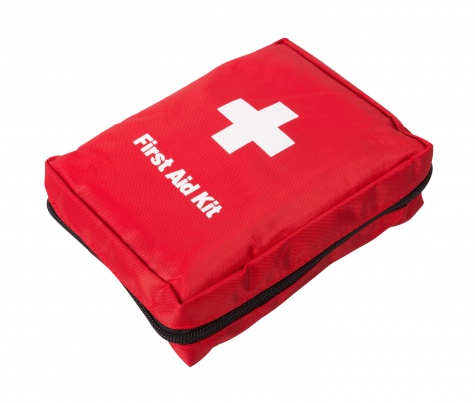
- First aid kit
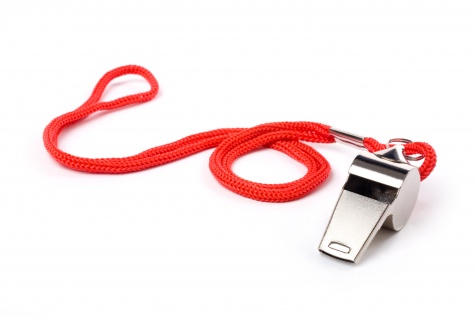
- Whistle to signal for help
- Moist towelettes, garbage bags and plastic ties for personal sanitation
- Wrench or pliers to turn off utilities
- Manual can opener for food
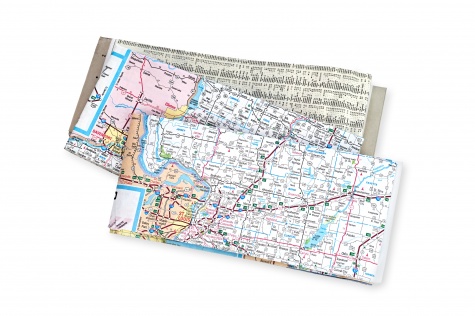
- Local maps
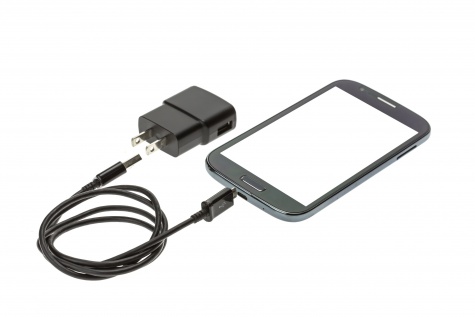
- Cell phone with chargers, inverter or solar charger
“Hurricanes are among nature’s most powerful and destructive phenomena. If you live in an area prone to hurricanes, you need to be prepared. Even areas well away from the coastline can be threatened by destructive winds, tornadoes and flooding from these storms.” says McLean.
