

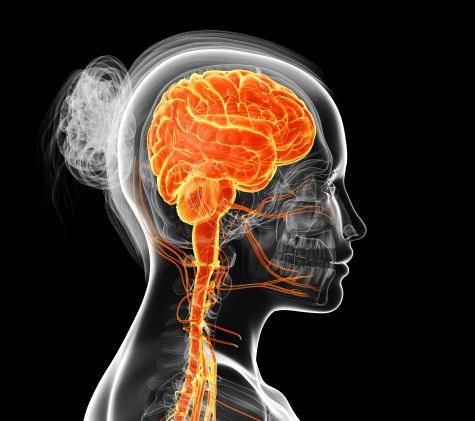
 Each year, around 55,000 more women have a stroke than their male counterparts. In fact, stroke is the third leading cause of death in women, compared to the fifth leading cause of death for men. Why is this? Are women wired in such a way that makes their body more susceptible to stroke? Are lifestyles drastically different than men, rendering them more vulnerable than men? Mudassar Asghar, M.D., Neurologist at Bon Secours Neurology Clinic, sits with Urban Views Weekly to discuss the unique risk factors at play, causing women to experience stroke at a greater rate than men.
“Women tend to have higher incidents of stroke, but it tends to be because they live longer than men,” he explains. “They have certain specific risk factors that put them at a higher risk for stroke, which include pregnancy status, childbirth, migraine with aura, emotional stressors, diabetes, and atrial fibrillation.”
So, what is it about these risk factors, or seemingly common life occurrences, that make women more susceptible to stroke?
- During a normal pregnancy, the body experiences natural changes, one in particular being an increase in blood pressure and stress on the heart. As we know, hypertension is the leading cause for stroke in both men and women and typically occurs later in life. Studies show that because women are typically delaying childbirth until they are older, they’re at an even greater risk for high blood pressure. Pregnancy only increases those odds of experiencing hypertension, thus increasing the odds of stroke in women.
- Migraine with aura. Migraines with aura account for about a fourth of all migraines, and are characterized by visual disturbances such as dots, flashing lights, tunnel vision, blind spots, and even temporary blindness. For those who experience those visual disturbances, it oftentimes signals the onset of a migraine attack. According to the Migraine Research Foundation, women are three times more likely to experience migraines than men, with 17% of women versus 6% of men suffering from migraines regularly.
- Emotional stressors. Research shows that experiencing emotional stress leads to a pattern of damaging lifestyle choices. Those choices include smoking, a decline in physical activity, an increase in alcohol consumption, all of which lead to an increase in blood pressure. The American Psychological Association reports that women are more likely than men to report elevated stress levels (8, 9, or 10 on a 10-point scale), and are also more likely to experience the physical and emotional symptoms of stress. Managing stress levels is not only imperative for emotional health, but it also lowers the risk for stroke that stems from the physical symptoms.
- Atrial fibrillation. Atrial fibrillation is the most common type of heart rhythm disorder, and is characterized by a host of symptoms including irregular heartbeat, heart palpitations, shortness of breath, and dizziness, to name a few. According to the National Coalition for Women with Heart Disease, both obesity and over-consumption of alcohol are major risk factors for AFib, two risk factors that on their own, also contribute to the increased chance for stroke. Though some younger women have atrial fibrillation, or AFib, most women are diagnosed in their later years, around 60 or 70.
More women are impacted by stroke than men, primarily because women live longer, and statistics show that unfortunately, more women are also killed by strokes than men. All data considered, women can significantly decrease both their odds and risk factors by closely monitoring their lifestyle and making any necessary changes, even if those changes include taking medication. Maintain a consistent, open dialogue with your primary care physician to determine which risk factors are within your control, and dedicate to living intentionally, with optimal health as your primary goal.
