
High blood pressure plays a contributing role in more than 15% of deaths in the United States, according to a Harvard study. High blood pressure boosts the risks of leading killers such as heart attack and stroke, as well as aneurysms, cognitive decline and kidney failure.
What is high blood pressure?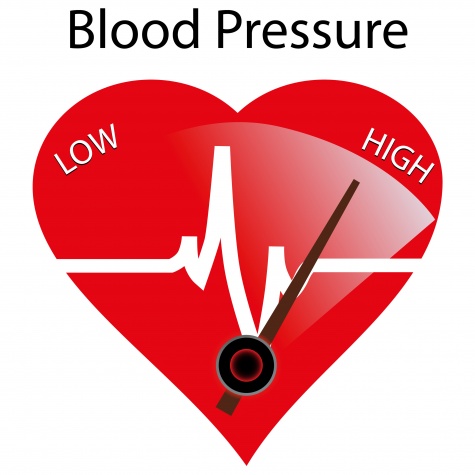
High blood pressure (HBP or hypertension) is when your blood pressure, the force of the blood flowing through your blood vessels, is consistently too high.
If you have high blood pressure, you are not alone
- About 85 million Americans — one out of every three adults over age 20 — have high blood pressure. (Nearly 20 percent don’t even know they have it.)
- The best way to know if you have high blood pressure is to have your blood pressure checked.
How is blood pressure determined?
Dr. Candace Johnson, assistant professor in the Department of Family and Community Health Nursing at the VCU School of Nursing lets us know that:
- Blood pressure is measuring the force of blood as it pumps through the heart and the body.
- Blood pressure is determined using a manual sphygmomanometer or an electronic blood pressure monitor.
- Both devices use sensitive technology to detect the pressure caused by the force of blood against the walls of a large blood vessel, such as the one in the bend of your elbow called the antecubital vein.
Dr. Johnson’s program of research explores the biological and behavioral determinants of health in African American women at high-risk for cardio-metabolic diseases and the potential for prevention of disease using yoga, meditation, and online technology as tools for moderating behavior change. African American women represent the U.S. subpopulation at the highest risk for death from cardiovascular disease and complications from type 2 diabetes. [mycred_link id=virtscav29 href=”https://dev.urbanviewsweekly.com/congratulations/”] [/mycred_link]
High blood pressure is a “silent killer”
- Most of the time there are no obvious symptoms.
- Certain physical traits and lifestyle choices can put you at a greater risk for developing high blood pressure.
- When left untreated, the damage that high blood pressure does to your circulatory system is a significant contributing factor to heart attack, stroke and other health threats.
What do your blood pressure numbers mean?
The only way to know if you have high blood pressure is to have your blood pressure tested. Understanding your blood pressure numbers is key to controlling high blood pressure.
Blood pressure categories
The five blood pressure ranges as recognized by the American Heart Association are:
- Normal blood pressure – Normal is considered blood pressure numbers that are within the normal (optimal) range of less than 120/80 mm Hg.
- Prehypertension (early stage high blood pressure) – Prehypertension is when blood pressure is consistently ranging from 120-139/80-89 mm Hg. People with prehypertension are likely to develop high blood pressure unless steps are taken to control it.
- Hypertension Stage 1 – Hypertension Stage 1 is when blood pressure is consistently ranging from 140-159/90-99 mm Hg. At this stage of high blood pressure, doctors are likely to prescribe lifestyle changes and may consider adding blood pressure medication.
- Hypertension Stage 2 – Hypertension Stage 2 is when blood pressure is consistently ranging at levels greater than 160/100 mm Hg. At this stage of high blood pressure, doctors are likely to prescribe a combination of blood pressure medications along with lifestyle changes.
- Hypertensive crisis – This is when high blood pressure requires emergency medical attention. If your blood pressure is higher than 180/110 mm Hg and you are NOT experiencing symptoms such as chest pain, shortness of breath, back pain, numbness/weakness, changes in vision or difficulty speaking, wait about five minutes and take it again. If the reading is still at or above that level, you should CALL 9-1-1 and get help immediately.
Your blood pressure numbers and what they mean
Your blood pressure is recorded as two numbers:
- The bottom number is called the diastolic blood pressure and it refers to the force created on the walls of the heart as blood returning from the body to the lungs to receive more oxygen fills up the small top chambers of the heart. This filling cycle is called diastole.
- The top number is called the systolic blood pressure and it refers to the force created when blood that has just received oxygen from the lungs is forcefully ejected from the 2 larger bottom chambers of the heart in the part of the blood circulation process called systole.
- Ultimately, too much force of blood against the walls of the heart and arteries leads to hardening of the arteries (or atherosclerosis) and that leads to many forms of heart disease including hypertension, congestive heart failure, heart attack, and stroke.
Here are 10 lifestyle changes you can make to lower your blood pressure and keep it down.
- Lose extra pounds and watch your waistline. Blood pressure often increases as weight increases.
- Exercise regularly.
- Eat a healthy diet. Dr. Johnson advises, “manage your sodium intake to no more than 2300 mg per day (food label reading is important!).”
- Reduce sodium in your diet.
- Limit the amount of alcohol you drink.
- Quit smoking.
- Cut back on caffeine.
- Reduce your stress. Dr. Johnson suggests, “manage your stress and anxiety levels using alternative therapies like yoga, dance, physical activity and other activities that stimulate the relaxation of the blood vessels.”
- Monitor your blood pressure regularly and see your doctor regularly.
- Get support.
Knowing your blood pressure numbers is key to living a longer, healthier life.

