

Did You Know? According to the Centers for Disease Control, about 795,000 Americans have a stroke each year. It’s the fifth leading cause of death in the United States, and one of the primary causes of serious disability in adults over age 55. While strokes are both preventable and treatable, African Americans at large are disproportionately affected, experiencing more 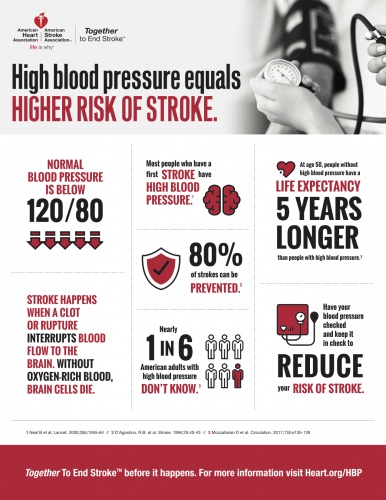 stroke-related death and disability than any other racial group. Why is this?
Urban Views Weekly met with Dr. Amandeep S. Sangha, M.D. of Bon Secours Neurology Clinic at St. Mary’s Hospital, to discuss the trend of stroke in the African American community, identify risk factors, and learn about stroke projections.
When comparing the risk factors of stroke to diseases already prevalent in the black community, the correlation is alarmingly clear.
“Strokes are more prevalent in the African American community, and part of this is because of genetics,” explains Dr. Sangha. “High blood pressure, diabetes, and high cholesterol has high prevalence in that community, which makes them more vulnerable to developing strokes compared to the other [races].”
The numbers are truly staggering:
- According to the American Heart Association, there may be a gene that makes African Americans more salt-sensitive. Knowing this, it’s no surprise that hypertension or high blood pressure develops earlier in life for blacks than their white counterparts, and oftentimes, it’s more severe. In fact, more than 40% of black men and women will experience high blood pressure in their lifetime.
- As it pertains to obesity, another risk factor for stroke, 76.3% of non-Hispanic black men and women are considered overweight or obese, compared to 68.5% of whites.
- Lastly is diabetes. The American Diabetes Association reports that a shocking 4.9 million African Americans aged 20 years or older have diagnosed diabetes, making the Black community 77% more likely to have diagnosed diabetes compared to non-Hispanic whites. Complications with diabetes is also 46% more prevalent in the Black community.
Knowing this information, it’s imperative that the African American community use research about risk factors and statistical data to prevent themselves from becoming a statistic.
“Someone in the U.S. has a stroke every four seconds, and every four minutes, someone dies from it,” Dr. Sangha says. “Projections show that by year 2030, about 3.4 million U.S. adults aged 18 and over will have had a stroke, which is 20.5% increase from 2012.”
So, why the increase, if risk factors are identifiable? Unfortunately, old habits die hard, and making lifestyle changes isn’t always easy and sustainable without a concrete plan.
Lifestyle Changes that Lower Your Chances of Stroke
- Monitor your health closely. Schedule routine check-ups with your doctor to monitor blood pressure and glucose numbers, and create a regimen that allows you to take any prescribed medication as needed.
- Incorporate exercise into your routine. Carve out time to stay active, even if you’re walking the neighborhood for 30 minutes a few times a week. Any amount of time active is better than staying dormant, making your body susceptible to obesity.
- Revamp your diet. Say no to indulging in sodium-heavy meals, processed foods, and those cakes and pies you crave. Moderation is key! Swap your go-to junk food for healthy alternatives, and nourish your mind and body with more fruits and vegetables instead of potato chips and pies.
Most importantly, learn the signs of stroke so you can identify and call 9-1-1 right away. Time is the most important factor in a strong and speedy recovery; the quicker you can identify that you’re in trouble, the quicker your treatment can occur.
“It’s estimated that every minute, about 2 million neurons die as the stroke progresses,” warns Dr. Sangha. “So it’s extremely important to seek immediate attention when someone develops symptoms of stroke.”
