

Sponsored by VCU Health
Did you know that African Americans are 3 times more likely than Caucasians to experience kidney failure? This happens due to high rates of diabetes, high blood pressure and unique genetic variations specific to African ancestry.
Chronic kidney disease is the gradual loss of kidney function. Your kidneys filter wastes and excess fluids from your blood, 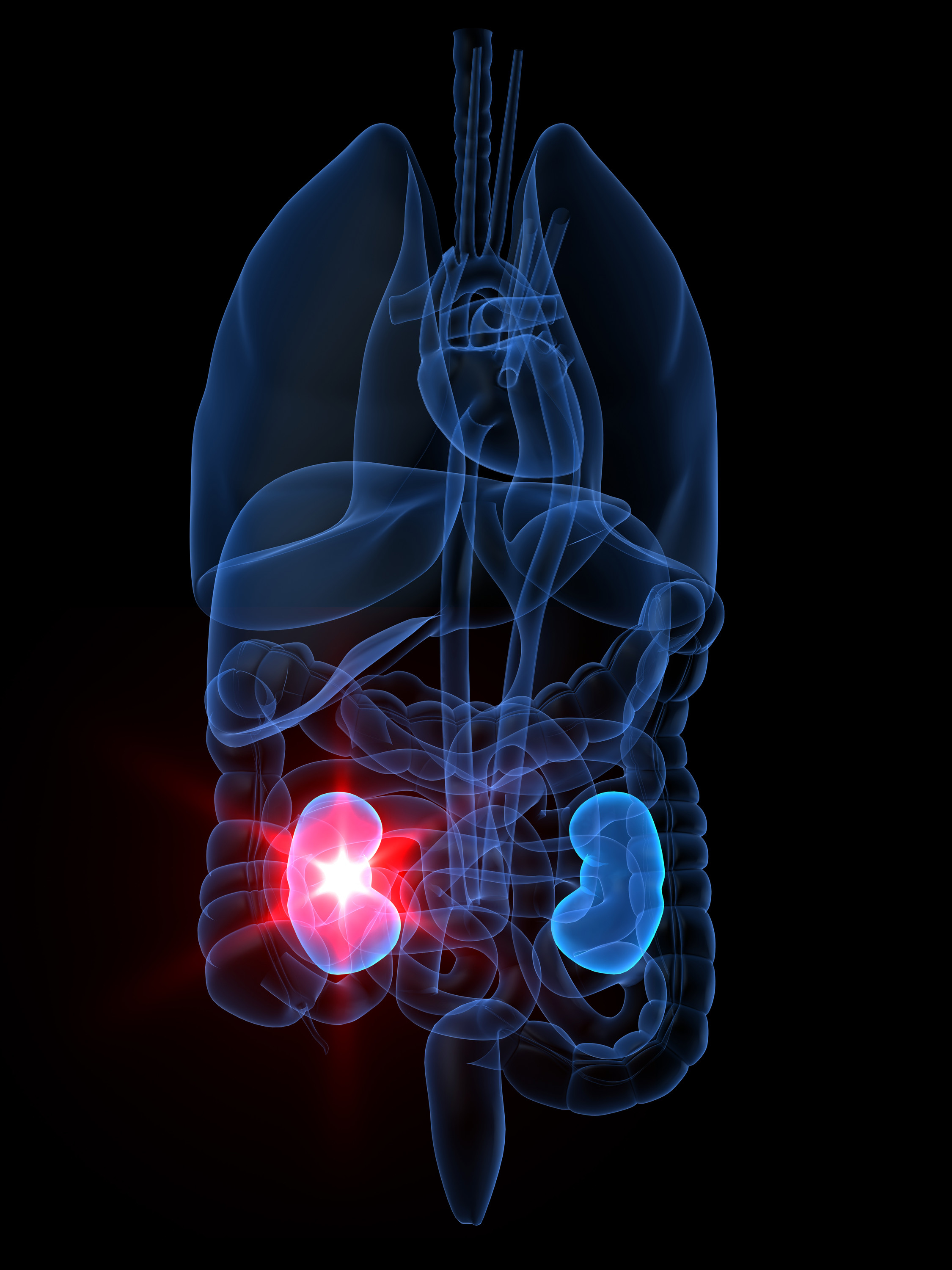 which are then excreted in your urine. When chronic kidney disease reaches an advanced stage, dangerous levels of fluid, salts and wastes can build up in your body. In the early stages of chronic kidney disease, you may have few signs or symptoms.
“The impact is huge. Even patients in the early stages of chronic kidney disease suffer many more heart attacks and strokes than the general population.” says Dr. Anna Vinnikova, an Associate Professor at VCU School of Medicine, Department of Internal Medicine, Division of Nephrology.
High blood pressure is the second leading cause of kidney failure among African Americans. Recent groundbreaking studies published in Nature have revealed genetic variations specific to African ancestry that are present in 1 in 8 African Americans and make kidneys extra sensitive to damage from high blood pressure. Read more about this Wake Forest Baptist Health study at http://www.wakehealth.edu/Nephrology/APOL1-Gene-Discovery.htm.
Among people diagnosed with kidney disease and high blood pressure, African American men are least likely to have their blood pressure under control, putting them at risk of life-threatening complications, according to a study published in the American Journal of Kidney Diseases. Given the staggering rates of kidney disease in the African American community, African Americans need to pay particular attention to their kidney health. Kidney disease often has no symptoms until it is very advanced, so it can go unnoticed.
Kidney Disease – Check out this video to learn more!
Treatment for chronic kidney disease focuses on slowing the progression of the kidney damage, usually by controlling the underlying cause. Chronic kidney disease can progress to end-stage kidney failure. Those who progress to end-stage kidney disease need to go on dialysis or have a kidney transplant.
“Dialysis is a life-changing experience,” comments Dr. Vinnikova. One has to go to a center for four hours, three times a week to get treatments. If one does dialysis at home, one has to hook up to a kidney machine every night. Many people are hesitant to start dialysis because some of their friends or family members have died on dialysis. They come to blame dialysis, which is really a lifesaving measure. Kidney transplant patients have a much better quality of life and life expectancy, but success is conditional on adherence to multiple medications and frequent medical check-ups.
To decrease the risk of kidney disease, African Americans need to be aware of their risk of kidney disease if they have diabetes, hypertension, other chronic medical problems and especially a family history of kidney disease. They need to visit their doctor or clinic regularly to check their blood sugar, blood pressure, urine protein and kidney function.
“Screening is the key,” says Dr. Vinnikova. Kidney disease in African Americans often goes undetected. If kidney disease is caught early, it can usually be treated or slowed down. Even if it is discovered late, effective treatments may be available.
When kidney disease is detected, patients need to be seen by a kidney doctor. A kidney doctor will arrange appropriate evaluation and come up with a treatment plan. From then on, the kidney specialist and primary care doctor can work together. Communication among providers and patient-centered care are essential. Patient-centered care means patients and their families are active decision makers on the medical team, and the health care provider looks for ways to help patients accomplish their health goals. Patient-centered care makes visits to the doctor worthwhile and productive.
Lifestyle changes can make a big difference in reducing one’s risk for developing kidney disease and early testing and treatment can slow or prevent the progression of kidney disease and its complications.
Here are three steps that you can take to prevent kidney disease or to detect it early in order to slow the progression to kidney failure:
- Ask your family for information. Family history is one of the most important risk factors for kidney disease.
- Get tested. If you have high blood pressure or diabetes, a family history of kidney failure or are over age 60, you should be tested.
- Adopt a healthy lifestyle. If you have risk factors for kidney disease or are living with kidney disease, you can protect your kidneys and preserve your kidney health by following a healthy lifestyle. Adopt a low salt diet and try to maintain a healthy body weight. Increase your physical activity to incorporate an extra 150 minutes of physical activity per week. Don’t smoke. Avoid alcohol to excess and steer clear of street drugs.
No matter what your skin color, race or ethnicity, kidney disease is a growing public health concern and Urban Views Weekly urges you to pass along this information. Let’s bring this epidemic to everyone’s attention and act together as a community that transcends color lines in order to protect the health of our African American families.

