

Sponsored by VCU Health
By J. Chevonte’ Alexander
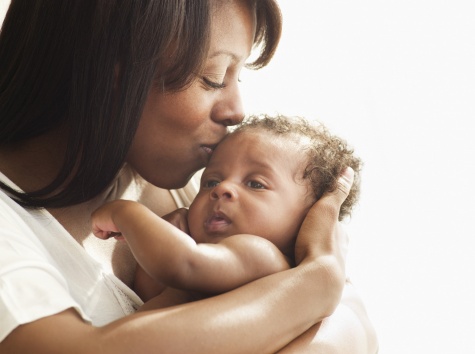
Maternal mortality is unacceptably high. About 830 women die from pregnancy- or childbirth-related complications around the world every day. It was estimated that in 2015, roughly 303,000 women died during and following pregnancy and childbirth. Almost all of these deaths occurred in low-resource settings, and most could have been prevented.
Another factor likely contributing to the upward trend, experts say, is the dramatic increase in C-sections in the United States. Today, about one in three American mothers has a C-section. That’s up from one in five 20 years ago. It’s hard to comprehend how the United States, one of the wealthiest nations in the world, is now one of only eight countries – including Afghanistan and South Sudan – where the number of women dying as a result of pregnancy and childbirth is going up.
More than 25 years ago, in 1987, there were 7.2 deaths of mothers per 100,000 live births in the United States, according to the Centers for Disease Control and Prevention. In 2011, that number more than doubled, jumping to 17.8 deaths per 100,000 births.
While less than 15% of all births in the United States are to women 35 years and older, somewhere between 27% and 29% of all the pregnancy-related deaths are among that age group.
Women die as a result of complications during and following pregnancy and childbirth. Most of these complications develop during pregnancy and most are preventable or treatable. Other complications may exist before pregnancy but are worsened during pregnancy, especially if not managed as part of the woman’s care. The major complications that account for nearly 75% of all maternal deaths are:
- Severe bleeding (mostly bleeding after childbirth)
-Accounts for approximately 25% of maternal deaths and is the single most serious risk to maternal health.
- Infections (usually after childbirth)
- High blood pressure during pregnancy (pre-eclampsia and eclampsia)
-Accounts for approximately 12% of maternal deaths.
- Complications from delivery
- Unsafe abortion
-Accounts for approximately 13% of maternal deaths.
In some parts of the world, unsafe abortion accounts for 1/3 of maternal deaths.
Approximately 67,000 cases of abortion-related deaths occur each year.
The remainder are caused by or associated with diseases such as malaria, and AIDS during pregnancy.
There is a direct relationship between maternal death and infant and child survival. Approximately 7 million babies die each year before their first birthday (infant mortality), and about 50% of these deaths (3.4 million) occur at the time of delivery or during the first week of life. Maternal death also leaves over one million children motherless, which increases the risk of death for these children 3-10 times during the first two years.
The leading causes of maternal death are classified as direct or indirect. Direct causes are those related to obstetric complications of pregnancy, labor and delivery, and the post-partum periods. Direct causes account for 80% of maternal death. African American women are more than three times as likely to die as a result of pregnancy and childbirth as white women in the United States, according to the CDC.
Bearing a child is still one of the most dangerous things a woman can do. It’s the sixth most common cause of death among women age 20 to 34 in the United States.
Of the 5,261 deaths within a year of pregnancy termination that occurred during 2011–2013 and were reported to CDC, 2,009 were found to be pregnancy-related. The pregnancy-related mortality ratios were 17.8, 15.9, and 17.3 deaths per 100,000 live births in 2011, 2012 and 2013, respectively.
Considerable racial disparities in pregnancy-related mortality exist. During 2011–2013, the pregnancy-related mortality ratios were:
- 12.1 deaths per 100,000 live births for white women.
- 40.4 deaths per 100,000 live births for black women.
- 16.4 deaths per 100,000 live births for women of other races.

