

sponsored by VCU Health
By J. Chevonte’ Alexander
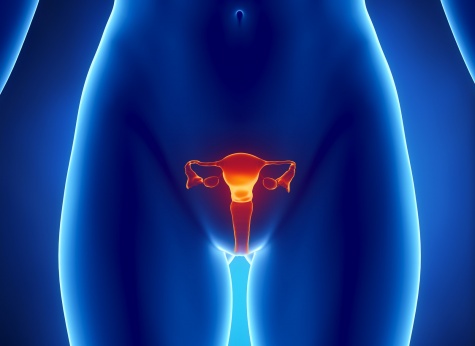
January is Cervical Health Awareness Month. The cervix is the lower, narrow end of the uterus. The cervix connects the vagina (birth canal) to the upper part of the uterus. The uterus (or womb) is where a baby grows when a woman is pregnant.
Each year, an estimated 12,000 women are diagnosed with cervical cancer, and, of those, about one-third will die as a result of the cancer. But cervical cancer is also a highly preventable and treatable cancer, thanks to improved screening and vaccination. January is dedicated to focusing on increasing the number of eligible women getting the human papillomavirus (HPV) vaccine. HPV is common among women and is the main cause of cervical cancer. It’s estimated that at least 75 percent of the reproductive-age population has been infected with one or more types of genital HPV. In the vast majority of cases, the virus causes no symptoms or health problems and goes away on its own when a healthy immune system clears the infection. But, in about 5 percent of women, a persistent infection occurs with high-risk strains of HPV, which causes nearly all cases of cervical cancer.
Cervical Health Awareness Month is a chance to raise awareness about how women can protect themselves from HPV and cervical cancer. HPV is a very common infection that spreads through sexual activity. About 79 million Americans currently have HPV. Many people with HPV don’t know they are infected. Cervical cancer screenings can help detect abnormal cells early, before they turn into cancer. The two screenings that are used to examine if cervical tissue has precancerous cells before they turn into invasive cancer are the:
- Pap test (sometimes called the Pap smear) – This fairly simple procedure collects cells from the cervix so that they can be looked at under the microscope to find cancer and pre-cancer. Pap Smears should begin at age 21 (or when a female becomes sexually active) and take place every 3-5 years depending on your age (but it is still important to go for an annual exam each year).
- HPV test – One of the most important risk factors for developing cervical cancer is an HPV infection. The test is done similarly to the Pap test in terms of how the sample is collected, and it sometimes can even be done on the same sample. The American Cancer Society recommends this combination for women 30 and older.
Getting an HPV Vaccine
Two HPV vaccines are available to protect females against the types of HPV that cause most cervical, vaginal and vulvar cancers. Both vaccines are recommended for 11- and 12-year-old girls, and for females 13 through 26 years of age who did not get any or all of the shots when they were younger. These vaccines also can be given to girls as young as 9 years of age. It is recommended that females get the same vaccine brand for all three doses, whenever possible. It is important to note that women who are vaccinated against HPV still need to have regular Pap tests to screen for cervical cancer.
Other steps to help prevent or lower the risk of cervical cancer include:
- Stop smoking, or don’t start
- Use condom protection during sex
- Limit the number of sexual partners. The greater the number of partners, the higher the risk of contracting HPV
- Get checked regularly and talk with your doctor
- Make sure you share information with your family and friends to keep cervical cancer at the forefront

