

Sponsored by VCU Health
By J. Chevonte’ Alexander
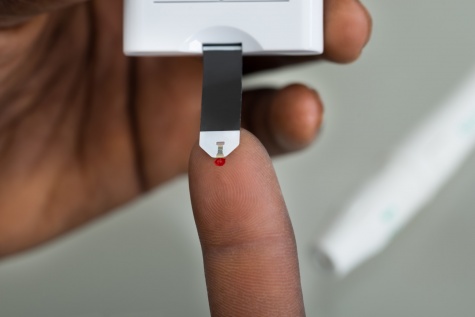
Diabetes is indeed an invisible disease. Diabetes is one of the leading causes of disability and death in the United States. It can cause blindness, nerve damage, kidney disease, and other health problems if it’s not controlled. One in 11 Americans has diabetes – that’s more than 29 million people. And another 86 million adults in the United States are at high risk of developing type 2 diabetes.
Type 1 diabetes is an autoimmune disease usually diagnosed in children and young adults, and there is no known way to prevent it. Approximately 5 percent of people with diabetes have type 1, which means their body does not produce any insulin. Insulin is critical in order for the body to transport glucose (sugar) from the bloodstream into cells for energy. People with type 1 diabetes must take insulin every day to live.
Type 2 diabetes is the most common form of diabetes, accounting for 90 to 95 percent of cases in the United States, and is caused when the body does not produce or use insulin properly. Risk factors for developing type 2 diabetes include being overweight, having a family history of diabetes and having diabetes while pregnant. Some people with type 2 diabetes can control their blood glucose (sugar) with healthy eating and being active; others may require oral medications or insulin, especially as the disease progresses. Type 2 diabetes is more common in African Americans, Latinos, Native Americans and Asian Americans/Pacific Islanders, as well as older adults.
The following symptoms of diabetes are typical. However, some people with type 2 diabetes have symptoms so mild that they go unnoticed.
Common symptoms of diabetes:
- Urinating often
- Feeling very thirsty
- Feeling very hungry – even though you are eating
- Extreme fatigue
- Blurry vision
- Cuts/bruises that are slow to heal
- Weight loss – even though you are eating more (type 1)
- Tingling, pain, or numbness in the hands/feet (type 2)
Early detection and treatment of diabetes can decrease the risk of developing the complications of diabetes.
Get the facts about diabetes and learn how you can stop diabetes myths and misconceptions.
Myth: Diabetes is not that serious of a disease.
Fact: Diabetes causes more deaths a year than breast cancer and AIDS combined. Having diabetes nearly doubles your chance of having a heart attack. The good news is that good diabetes control can reduce your risks for diabetes complications.
Myth: If you are overweight or obese, you will eventually develop type 2 diabetes.
Fact: Being overweight is a risk factor for developing this disease, but other risk factors such as family history, ethnicity and age also play a role. Unfortunately, too many people disregard the other risk factors for diabetes and think that weight is the only risk factor for type 2 diabetes. Most overweight people never develop type 2 diabetes, and many people with type 2 diabetes are at a normal weight or only moderately overweight.
Myth: Eating too much sugar causes diabetes.
Fact: The answer is not so simple. Type 1 diabetes is caused by genetics and unknown factors that trigger the onset of the disease; type 2 diabetes is caused by genetics and lifestyle factors.
Being overweight does increase your risk for developing type 2 diabetes, and a diet high in calories from any source contributes to weight gain. Research has shown that drinking sugary drinks is linked to type 2 diabetes.
The American Diabetes Association recommends that people should avoid intake of sugar-sweetened beverages to help prevent diabetes. Sugar-sweetened beverages include beverages like:
- regular soda
- fruit punch
- fruit drinks
- energy drinks
- sports drinks
- sweet tea
- other sugary drinks
We can use this month to raise awareness about diabetes risk factors and encourage people to make healthy changes.
Here are just a few ideas:
- Encourage people to make small changes, like taking the stairs instead of the elevator.
- Talk to people in your community about getting regular checkups. They can get their blood pressure and cholesterol checked, and ask the doctor about their diabetes risk.
- Ask doctors and nurses to be leaders in their communities by speaking about the importance of healthy eating and physical activity.
The good news is that making healthy changes can greatly lower your risk. To help prevent type 2 diabetes:
- Watch your weight.
- Eat healthy.
- Get more physical activity.
Ready to make some healthy changes? Check out 50 ways you can prevent #diabetes: http://1.usa.gov/crccTm

