

sponsored by VCU Health
by J. Chevonte’ Alexander
“The physical and emotional health of an entire generation and the economic health and security of our nation is at stake.” – First Lady Michelle Obama
It is scary! The percentage of overweight children in the United States is growing at an alarming rate, with 1 out of 3 kids now considered overweight or obese. Many kids are spending less time exercising and more time in front of the TV, computer, or playing video games.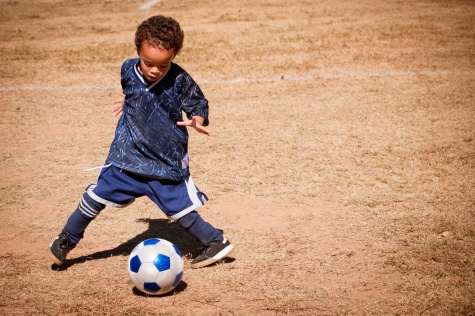
With this growing rate of America’s children being overweight or obese, threatening an entire generation with serious chronic illnesses and shortened life spans, it is apparent that childhood obesity isn’t limited to one state or town. It’s a worldwide concern. Childhood obesity has more than doubled in children and quadrupled in adolescents in the past 30 years.
“Although individual eating and physical activity patterns certainly contribute, the causes of the obesity epidemic are much more complex, ranging from genetic factors to numerous changes in our environment such as food policies and marketing, limited access to safe places to exercise, and advances in technology” says Edmond P. Wickham III, MD MPH, Associate Professor of Internal Medicine and Pediatrics at Children’s Hospital of Richmond at Virginia Commonwealth University. “Given this complexity and the substantial impact of obesity on health, many scientific organizations now regard obesity as a disease.”
Over the years, obesity rates in the United States have soared among all age groups. This rise in obesity rates has affected our youth in alarming fashion. Childhood obesity has increased more than fourfold among those ages 6 to 11. More than 23 million children and teenagers in the United States ages 2 to 19 are obese or overweight, a statistic that health and medical experts consider an epidemic. And this epidemic puts nearly one third of America’s children at early risk for Type 2 diabetes, high blood pressure, heart disease and even stroke – conditions usually associated with adulthood. Even greater disparities exist among African Americans and Hispanics.
A child’s total diet and activity level play an important role in determining a child’s weight. Today, many children spend a lot of time being inactive. For example, the average child spends approximately four hours each day watching television. As computers and video games become increasingly popular, the number of hours of inactivity may increase. Research also shows that gym class at school is being shortened or is nonexistent. Levels of physical activity have also reduced over the past 3 decades. The CDC states that last year, only 29% of high school students participated in the recommended 60 minutes of exercise a day.
“Important health habits that are associated with reduced risks of many health conditions, including obesity, are often established during childhood and adolescence”, says Wickham.
To combat this growing epidemic and to make a lifestyle change in our children’s lives, it is time for everyone to make a change! Wickham suggests the following things to begin changing this paradigm:
Breastfeeding and ensuring kids and teens get enough sleep (generally 9 hours a night) are also associated with reduced rates of obesity (and like diet and exercise have many other important health benefits too). As parents, families, and communities, we can provide and promote opportunities (and policies) that encourage these behaviors, insure access to nutritious foods, and make healthy options the default choice. Children (and even teens) frequently model their eating and exercise choices on what they observe important adults around them doing. As parents, grandparents, neighbors, teachers, mentors, pastors, or healthcare providers, we can also make a difference by focusing on the health choices we make ourselves and invite those in our lives (often even silently) to do the same.
Just sixty minutes of active movement each day makes a world of difference to a child’s health. Besides helping kids feel good about themselves, exercise and fitness:
- Reduce stress
- Promote strong bones, joints and muscles
- Help children get a good night’s sleep
- Refocus attention and change mood
- Heighten capacity for learning
Here are some ways to combat childhood obesity.
- Encourage healthy eating habits. Small changes can lead to a recipe for success!
- Provide plenty of vegetables, fruits and whole-grain products
- Include low-fat or non-fat milk or dairy products
- Choose lean meats, poultry, fish, lentils and beans for protein
- Encourage your family to drink lots of water
- Limit sugar-sweetened beverages
- Make favorite dishes healthier. Did you know you can use greek yogurt for sour cream or use ground turkey vs. ground beef?
- Remove calorie-rich temptations. Treats are OK in moderation, but limiting high-fat and high-sugar or salty snacks can also help your children develop healthy eating habits.
- Help your kids understand the benefits of being physically active.
- Help kids stay active.
- Reduce sedentary time. Although quiet time for reading and homework is fine, limit “screen time” (TV, video games, Internet) to no more than two hours a day. Encourage your children to find fun activities to do with family members or on their own that simply involve more activity.
Whatever approach parents choose to take regarding an overweight child, the purpose is to make physical activity and following a healthy diet fun for the entire family, so it can last!
“Instead of placing blame or judgment, we have the opportunity to work together to promote changes in our communities that encourage healthy habits throughout our lives and benefit everyone, regardless of weight.” says Wickham.
