

 Tip of the Week
How to Guide
How to Choose a Generator
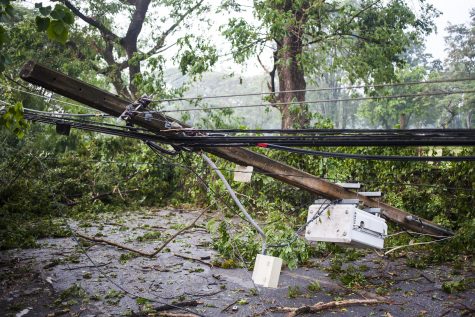
For many affected by our most recent storm, they would say, “power outages are the worst”. They deprive us of the everyday things we take for granted, such as, air conditioning, phones, computer and televisions.
If your home or business is hit too often by power outages you might want to consider getting a generator. A generator provides you with clean, useful electricity from a local source. Whether you’ve lost electricity due to the weather, a downed power line or some other occurrence, a generator will help you get back to business quickly.
 AUTOMATIC STANDBY GENERATORS
Automatic standby generators are on continuous standby, meaning that the generator can power itself on and off, regardless of whether you are home. Once a stop in the flow of electricity is detected, these machines respond instantly. They turn themselves on and begin supplying power.
Installed outside of your home, these generators are similar to central heating and air units. They are powered by liquid propane or natural gas. The generator supplies electricity directly to your home’s circuit breaker.
Because they operate quietly and smoothly, they are not an annoyance or distraction to you or your neighbors.
PORTABLE GENERATORS
Portable generators are built to remain outside of your home. These mobile units are fueled by gasoline and manually operated. Extension cords will make it easier to plug objects directly into the generator. These kinds of generators are usually cheaper than automatic standby generators.
STANDBY VS PORTABLE
Despite the price difference, there are plenty of advantages to buying an automatic standby generator.
Since automatic standby generators use natural gas and liquid propane, the cost of running this machine will be cheaper.
The Red Cross endorses automatic standby generators because they are a cleaner method of powering your home. Portable generators produce harmful byproducts that can damage the environment.
These units keep your house neat and clear of clutter. Portable generators require numerous wires and extension cords running through your home. It is much easier to have power connected directly into your home’s infrastructure.
Once power is restored, automatic standby units turn themselves off. There is no need to worry about shutting it off yourself.
GETTING THE MOST FROM YOUR GENERATOR
It is important to pick a generator that can supply power to all the items you need in your house.
Understand running and surge wattage. These two values inform you how much power your appliances need and the maximum amount of electricity they can handle. Prior to purchasing a generator, check the safety tags on your appliances for the correct wattage. The running and surge wattage on the generator needs to be high enough to satisfy the ratings of your most demanding appliances.
Why wait? Don’t be caught wishing you had bought a generator the next time there’s a power outage.
