
View Points
Be a Designated Driver!
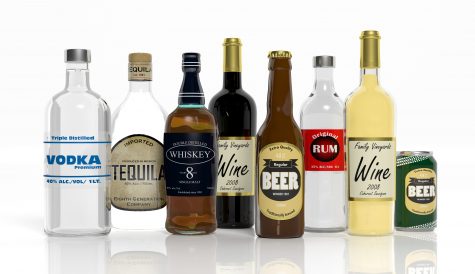
In 1980, Mothers Against Drunk Driving (MADD) was founded by Candace Lightner, a mother whose 13-year-old daughter Cari was killed by a drunk driver. Over the past 35 years, the nonprofit organization has grown into a national movement and political force influencing broad based legislation, as well as social behaviors. It is no longer a socially acceptable norm to drink and drive. Although we know that alcohol-related fatalities are still a public health concern, MADD has effectively raised the level of consciousness and awareness of the dangerous and tragic effects that alcohol related accidents have on victims and families. The organization increased the level of public discourse around the legal age for alcohol consumption, which has gone up and down over the decades but is now established at 21 nationwide. The influence of MADD has caused businesses and community groups to advocate ride sharing and “free” transportation for patrons who have had too much to drink. Friends have begun to plan ahead for their night-out affairs or celebratory events and chosen a “designated driver.” The designated driver is the one person within the group who pledges not to drink for the entire evening and to remain sober so that they can be responsible for the safety and transportation of their friends and for the public safety.
The impact MADD has had on public perception, education and advocacy cannot be understated. It is precisely at this time of year when young people are celebrating the end of the school year with proms, parties and graduation celebrations that we should all take a moment and remind our family and friends to STOP and consider the serious consequences of consuming alcohol and/or drugs and then getting behind the wheel of an automobile impaired. There are many options other than driving after consuming alcohol including calling a friend to pick you up. Taking responsibility for our actions and reminding our loved ones to do the same is what an informed and enlightened society does. We are responsible for one another, particularly, when we recognize that lives are at stake. “Friends do not let friends drive drunk” was an excellent and potent ad campaign, and most people remember it even if they never actually saw or heard the commercial on television or the radio.
What if we could mobilize a movement like MADD to address bullying in schools or racial prejudice, sexual discrimination and homophobia? What if we could take the model of MADD that educated, engaged and activated a nation to take control of an  epidemic that was killing people by the thousands and causing irreparable damage and harm to families and communities nationwide, and create an organization that raised consciousness and mobilized communities to advocate for the disenfranchised, oppressed and discriminated against? What if we stopped excusing ourselves by saying “there’s nothing I can do” ? No, MADD did not completely eradicate drunk driving, but the effect the organization has had on the level of awareness, concern and knowledge of the problem has been undeniable. The collective advocacy and national attention it has created is incredible and certainly underscores the impact that one individual can have when they are driven to take action. Why not BE the designated driver? It may save someone’s life.
Up Next Week: What is the “New Normal” in political discourse?
