

 Have both – a greener bank account and environment
by Bernard Freeman
Living a Greener Life
Living a greener lifestyle doesn’t have to mean making massive changes, but some tweaks to your routine and a few household upgrades can make a big difference for you and the environment.
HGTV recommends some tips that can serve as a great place to start:
Recycle bathroom water
Devices are available that can allow you to reuse sink water for flushing your toilet. Another option: Keep a bucket by the shower or tub and use it to catch the cold water that comes out before the water hits an optimal temperature. That excess water can then be used outside to water plants and gardens.
Compost
A compost bin can be used to turn food and lawn wastes into rich, extremely useful mulch. It can be an excellent way to reduce trash production, and by the next year, you can have rich compost ready for use by the spring planting period.
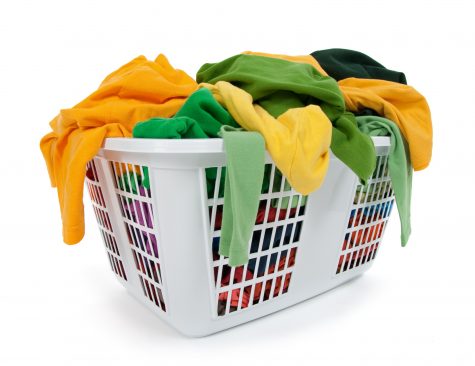 Fill up the washing machine, dishwasher
This slight change to your cleaning routine can go a long way toward saving water. Make sure to run the dishwasher and clothes washers only when they’re full. Both devices are huge energy and water users, so make sure to only run them with full loads (or adjust the water setting for smaller loads) whenever possible. Hand-washing dishes also can be very wasteful, so load those dishes directly into an energy-efficient dishwasher instead. Then, run it when it is completely full.
Drive greener
No, we’re not talking about getting a new car (though an energy efficient model can be a good investment), but some simple changes to your driving habits can improve fuel efficiency by up to 25 percent. Drive at or near the speed limit, keep your tires inflated, make sure oil and air filters are clean, and step on the gas and the brakes carefully. Driving at a normal rate, and braking at a safe speed, can save fuel.
Benefits of Recycling
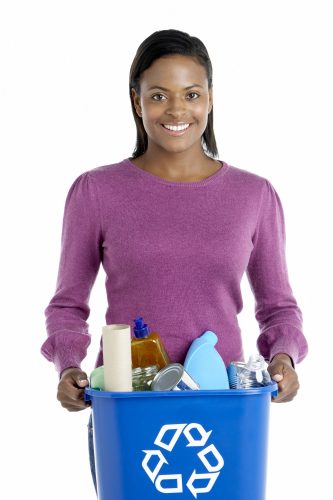
Recycling our paper, plastic and other products obviously benefits the environment, but it’s important to look at the tangible data to see just what kind of difference it really makes.
Cardboard
Recycling one ton of cardboard saves 390 kWh of energy, 1.1 barrels (46 gallons) of oil and 6.6 million BTUs of energy. When recycling cardboard, prepare by removing all other materials in the box, such as plastic wrap, polystyrene peanuts and other packing materials. Then, break down cardboard boxes to save storage space. Try to keep cardboard dry and free from food waste. Cardboard can get wet and still be recycled, but remember it is more difficult to carry due to the added weight of the water.
Glass
Recycling one ton of glass saves 42 kWh of energy, 0.12 barrels (5 gallons) of oil, 714,286 BTUs of energy, 2 cubic yards of landfill space and the release of 7.5 pounds of air pollutants. Prepare glass containers for recycling by rinsing out with water. Labels on glass containers do not have to be removed because they are removed during the crushing process and/or burned off during the melting process. Avoid breaking the glass and mixing broken colors together, as this may make the glass unacceptable for recycling.
 Paper
Paper
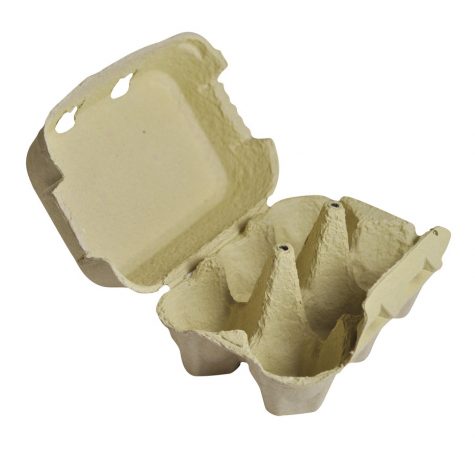
Recycling one ton of paper saves 4,100 kWh of energy, 9 barrels (380 gallons) of oil, 54 million BTUs of energy, 3.3 cubic yards of landfill space, the release of 60 pounds of air pollutants, 7,000 gallons of water and 17 trees. Recyclable paper includes magazines and catalogs, telephone books, direct mail, brochures, pamphlets and booklets, in addition to cereal, cake, chip and cracker boxes. Be sure to remove the liner and all food from the box, flatten the box and place flattened box in a paper sack with your junk mail, mixed paper, magazines and catalogs. Non-recyclable paper includes tissue and waxed and carbon paper.
Plastic
Recycling one ton of plastic saves 5,774 kWh energy, 16.3 barrels (685 gallons) of oil, 98 million BTUs of energy, and 30 cubic yards of landfill space. Remove plastic tops from the plastic containers being recycled and rinse containers with water. Crushing containers will help save space while storing them.
 Aluminum
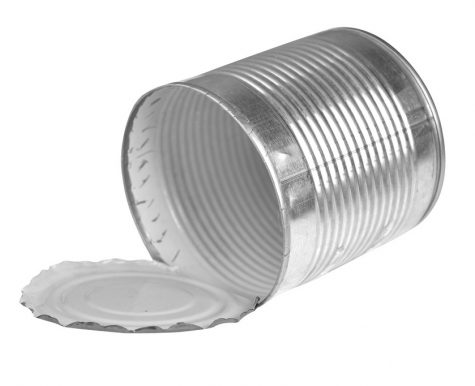
Recycling one ton of aluminum saves 14,000 kWh of energy, 39.6 barrels (1,663 gallons) of oil, 237.6 million BTUs of energy and 10 cubic yards of landfill space.
When preparing to recycle aluminum, Waste Management recommends crushing the cans to save space and washing out the cans to eliminate odor and the chance it might attract bugs.
 The Energy Efficient Home
Though you can buy a brand new home sporting a ton of high-tech energy-efficient accessories, there are affordable changes you can make to your existing pad to get it closer in line with a “green” lifestyle.
HGTV recommends a few low-cost ways to get started:
Install a high-efficiency shower head
Compared to a regular, old-style shower head, a high-efficiency model can save as much as 3,000 gallons of water per person per year. You also can save $50 in energy costs per person per year. These shower heads are specially designed to conserve water while still providing a water flow that matches a traditional head.
Many systems work by dispersing the water more evenly, while still using less water. Sink-aerator attachments are also an inexpensive addition that can save money and water.
Use high-efficiency outdoor, indoor lights
When you’re lighting your porch or patio, some minor changes can make a big difference in energy usage. As HGTV notes, a typical 100-watt floodlight can consume up to $40 of electricity over the course of a year depending on where you live. One quick fix: Replace older floodlights with compact-fluorescent versions. They should be just as bright but will use one-fourth the amount of energy. Low-wattage halogen landscape bulbs also can be replaced with LED models, which can cut energy use by as much as 80 percent while lasting for 10 or more years. Another way to lower usage is to install motion sensors on existing lights so they’ll only kick on when you need them. After-market kits can be installed fairly easily on existing lights.
Inside the home, replace older lights with dimmable compact fluorescents. The sticker price is higher than typical bulbs, but they use less energy and are designed to last for years.
Check your water heater settings
If you’re not up for installing a tankless or solar water heater, you can make a few tweaks to your existing setup. Reduce the temperature of your water heater to 120 degrees, then wrap it in a water-heater insulating blanket and insulate the first 3 to 6 feet of hot and cold water pipes.
