
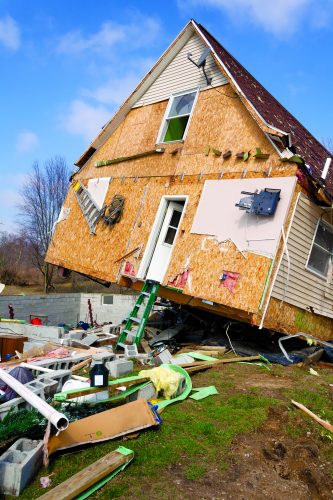
 vialis 40mg cialis Michigan.” width=”333″ height=”500″ />Tornado Preparation
By Bernard Freeman
Virginia was struck by its first tornado of 2016 on February 25. It was deadly, viagra dosage taking five lives.
One of the most important actions you can take while trying to stay safe during a tornado is to heed the warnings of the National Weather Service. Educate yourself on the difference between a tornado watch and a warning so that when the time comes, you are knowledgeable about what they mean and what they could predict.
Tornado Watch
Hearing this alert from the NWS means tornadoes are possible in your area and you should be ready to execute your emergency plan.
A tornado watch can quickly accelerate into a warning, so be prepared to take action.
If possible, stay in a building or home equipped to offer tornado protection. Keep your eyes and ears open, and be ready to act quickly if a warning is issued.
Tornado Warning
A tornado warning is more serious than a watch and requires immediate action on your part to protect yourself and your family. This means that a tornado has been sighted or indicated by weather radar.
You should move to an interior room on the lowest floor of a sturdy building and avoid windows. If you’re in a mobile home or vehicle or outdoors, move to the nearest sturdy shelter and protect yourself from flying debris.
 Danger Zones
By now you should know the drill. If a tornado is forecast, find a safe location in the interior part of a basement. If you have no basement, go to an inside room on the lowest floor.
Unfortunately, we don’t always find ourselves in an ideal location during a tornado. We may be on the road, at work, at school or in a shopping center when one forms.
It is important that you understand your surroundings at all times, as well as the protocols in place for dealing with a tornado.
At Home
If you find yourself at home and are able to gather in a safe location, always avoid windows. An exploding window can cause serious injury or even death.
Have an emergency kit on standby in your safe spot, and make sure it includes a blanket or sleeping bag that can help protect you from debris. For added protection, you also can get underneath a sturdy object, such as a heavy table.
Avoid sheltering immediately underneath objects such as pianos or refrigerators on the floor above you. They could fall through the floor if a tornado damages your home.
Mobile homes
The Centers for Disease Control and Prevention urges you to never stay in a mobile home during a tornado. They can turn over during strong winds and are unlikely to withstand the force of a strong storm.
If you live in a mobile home, it is important to plan ahead when you find out a tornado is possible. Go to a nearby building, preferably one with a basement. Coordinate with friends or family members to make a plan of action.
Car or truck
One of the most dangerous places to be during a tornado is in a vehicle, which can be easily tossed by tornado winds.
The CDC recommends that you never try to outrun a tornado in your car. If you see a tornado and are unable to find safe shelter, stop your vehicle, avoid areas with lots of trees and do your best to protect your head with an object or your hands.
 After a Tornado
Most fatalities and injuries during a tornado are caused by flying debris, according to the National Weather Service.
About 50 percent of tornado-related injuries occur after the storm, according to the Centers for Disease Control and Prevention. About one-third of those injuries are caused by stepping on nails, being hurt by heavy falling objects and carbon monoxide poisoning.
Skin infections and exposure to tetanus also are very real risks associated with after-tornado cleanup. The National Institutes of Health notes that tetanus usually enters the body through a deep cut and can lead to muscle spasms of the jaw and spine.
One of the most important safety acts to remember is to avoid downed power lines, busted gas lines or compromised electrical systems. These pose the threat of fire, electrocution or explosion.
Check for Injuries
Protecting yourself and your family requires the prompt attention to any injuries sustained during or after a tornado. If a family member is hurt, do not move them unless they are in immediate danger of further injury, states the Centers for Disease Control and Prevention.
Other tips from the CDC:
- If someone has stopped breathing, begin CPR if you are trained to do so;
- Stop a bleeding injury by applying direct pressure to the wound;
- Clean out all open wounds and cuts with soap and clean water;
- If a wound gets red, swells or drains, seek immediate medical attention; and
- Have any puncture wound evaluated by a physician.
Precautions
Just because a storm is apparently over doesn’t make it safe to come out of your safe spot. Continue to monitor your battery-powered radio or television for emergency information before making that decision.
While leaving any structure that may be damaged, be vigilant of your surroundings. While entering one, always wear sturdy boots, long sleeves and gloves.
Hazards such as exposed nails, broken glass and power lines can cause serious injuries and should be considered extremely dangerous hazards. As soon as you are able to safely make a phone call, report any electrical hazards to the police and your utilities company.
Make a List
Keeping a physical list of critical information in a central location can help save you the stress of searching through multiple places if a tornado hits.
Information such as your home insurance policy, a backup collection of important phone numbers and contact information for utilities companies — these are all vital to you staying safe and connected after a big storm.
Choose a room in which to store a fireproof, waterproof safe and fill it with documents and master lists. Be sure to update insurance policies as they change or are renewed. The same goes for phone numbers for new employment connections or teachers at your children’s schools.
The ability to track down these types of documents in the aftermath of a destructive tornado can help you promptly connect with people. Here are some ideas for items to make a list of and store in your safe:
- Birth certificates, Social Security cards, passports and any other critical personal identification items
- Ownership certifications for your home, cars or other major equipment
- Insurance policies and your will
- List of household contents, including serial numbers
- Photographs of contents from every room, especially high-value items including jewelry, paintings and collectibles
- Important telephone numbers, such as emergency, paramedics and medical centers
- Names, addresses and telephone numbers of your insurance agents and financial planners
- Telephone numbers of the electric, gas and water companies
- Names and telephone numbers of at least two neighbors
- If renting, the name and telephone number of your landlord or property manager
- Important medical information including allergies, regular medications and concise medical history
- Year, model, license and identification numbers of your vehicles
- Contact information for your bank or credit union
- Radio and television broadcast stations to tune to for emergency broadcast information
