


“Pushed: Bullies & Bystanders” works to create a safe place for children
By Janeal Downs
Fat, rx stupid or gay. These are just a few examples of words that accompany bullying, price a phenomenon that is all too real and hurtful to children. “They seem like playful harmless teasing, but in fact they’re mean and hurtful,” Dr. Tawnya Pettiford-Wates said about the negative effects of bullying. “Kids can go into major depression or even retaliation mode.” Pettiford-Wates is the director and facilitator for the collectively authored play and workshop of the Anti-Bullying Coalition (ABC) play, Pushed: Bullies & Bystanders. With this play they hope to bring awareness to the effects of bullying.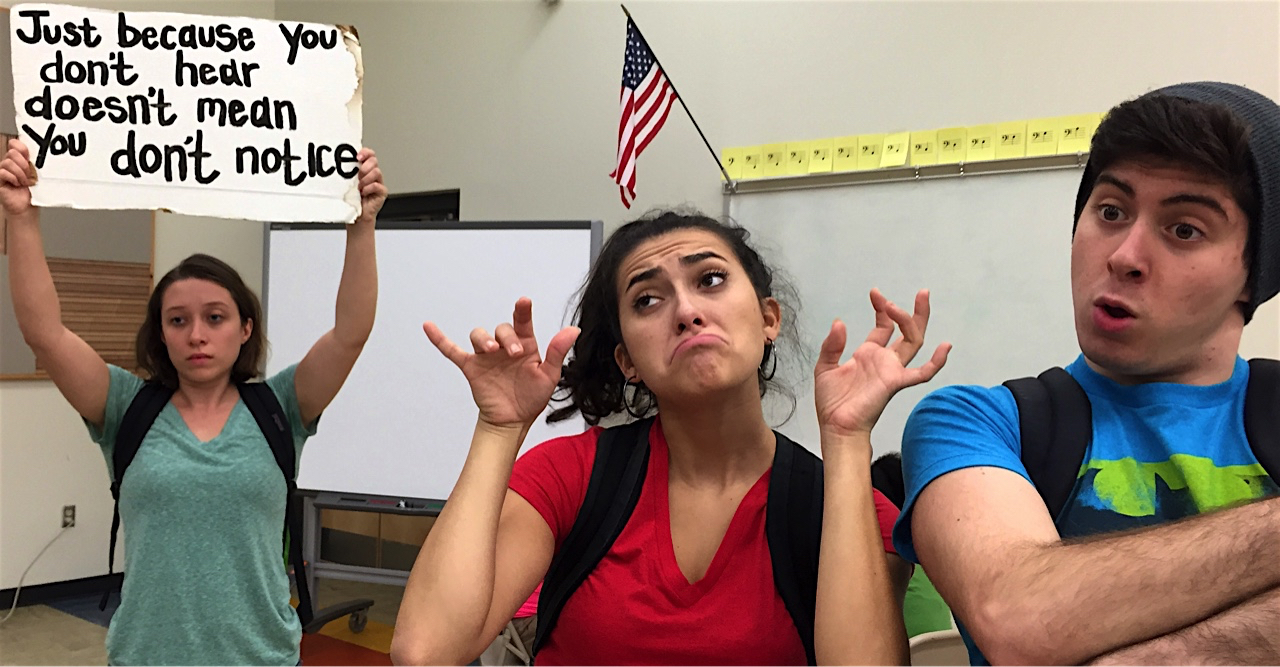
The play is collaboration with the Conciliation Project and the Firehouse Theatre. Planning began about five years ago when members of the Conciliation Project and the Virginia Center for Inclusive Communities (VCIC) teamed up to talk about the epidemic of bullying at schools. “It’s not something that’s a new thing. It’s something that was happening when I was in school (and) when my mother was in school,” Pettiford-Wates said. “But it seemed like somewhere around six or seven years ago there was a spike in not only incidents of bullying, but the type of outcomes.” With an increase in teen and young adult suicides, escalations of violence and even school shootings by students who felt ostracized and bullied, they wanted to do something about it.
The group began by talking about their own experiences. Experiences that had caused some to harm themselves, isolate themselves, lose their sense of individuality and more. For many it was so bad, Pettiford-Wates explained, that going to school felt like a chore, rather than being something they enjoyed. Through these stories, they created topical and timely vignettes that could be used to connect with kids. Within the last 15 months, these ideas have been honed into a pilot program for Richmond Public Schools at Martin Luther King Middle School, different Boys and Girls clubs, Church Hill Activities & Tutoring (CHAT) and other locations. Pettiford-Wates said these workshops through the commonwealth have received positive feedback from students, teachers, parents and administrators.
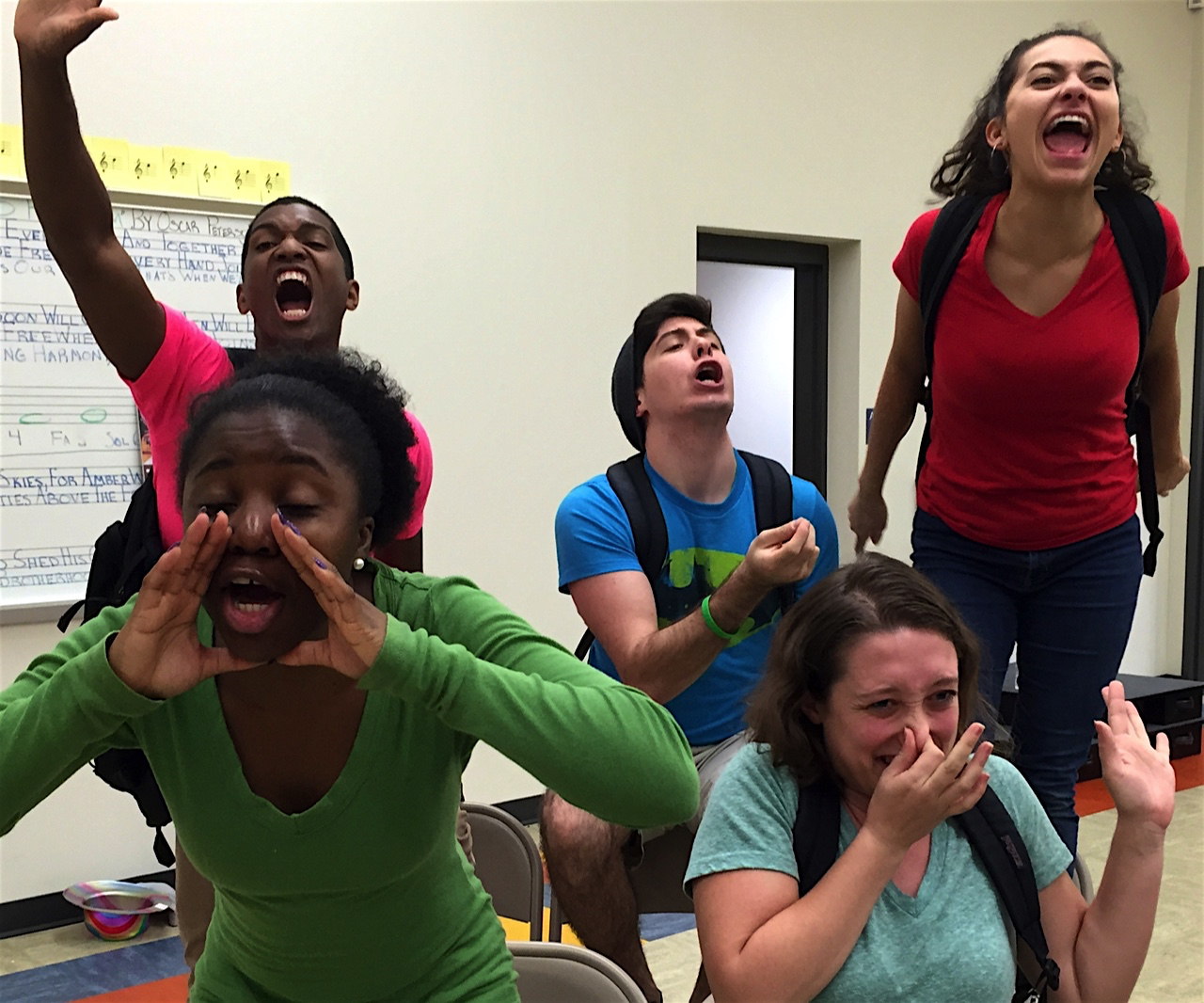
Before they go to the schools, administrators are advised regarding the strong language in the plays such as name calling and topics on sexuality or gender identity. While many teachers want the workshop to be for everyone in the school, because of the content, Pettiford-Wates said administrators limit the program to 8th grade or above. The workshops start off with the play which lasts about 30 minutes. The five cast members are all in their 20s, giving them a closer relationship to the young teens. After the play, there is a 40 to 50 minute workshop where they first discuss the play as a group. Then, everyone is broken down into gender specific groups where they can speak freely away from teachers or administrators. “Afterwards when they talk they say yeah I’ve been a bully, or I’ve been a bystander,” Pettiford-Wates said. “And some people say yeah I’ve been bullied before.” Through the workshop they are able to realize and even define bullying.
She encourages members of the community to understand that bullying is a climate that involves everyone. “There are teachers that bully their students. There are students that bully their teachers. There are teachers who bully each other. There are parents who bully their kids,” Pettiford-Wates said. “It is not going to take care of itself… (Children) are the future and if they don’t have a safe place to learn, then they don’t have a future.” Pettiford-Wates hopes to make the project a regular part of Richmond Public Schools perhaps in October, which is Domestic Violence and Bullying Month. The Firehouse Theatre wrote a grant in order to bring the project to the school systems, but there is more funding needed to keep the project going. To learn more about the project or to donate, visit the Conciliation Project at www.theconciliationproject.org. Parents and community members can also team up with schools to write grants for these types of programs at their schools.
