
43 Missing Mexican College Students: Many blame the government
By Janeal Downs
online
Virginia. She is pursuing a dual degree in Journalism and Spanish. She reports on her experiences during a 30 day international studies assignment in Mexico.” width=”232″ height=”233″ /> Janeal Downs is a rising senior at Virginia Commonwealth University from Norfolk, viagra order Virginia. She is pursuing a dual degree in Journalism and Spanish. She reports on her experiences during a 30 day international studies assignment in Mexico.While police brutality against African Americans is certainly not a new topic, pills United States streets have been ringing with the shouts of slogans such as “black lives matter” and “hands up, don’t shoot.” There have been protests, rallies, die-ins, road blocks and more with people fighting against discrimination and police brutality. With people of color being shot for wearing hoodies, or stopped for minor traffic violations, this fight continues to be ongoing. This fight has been ongoing physically, verbally and, even, on social media. Although other countries have shown support of the “Black Lives Matter” campaign in the past, many can relate to the issue of police brutality. While shouts of discrimination cloud the U.S., across the states of Mexico are also slogans against the government and police force. This September will mark a year since Mexican citizens have been fighting for justice and answers about 43 missing college students.
Late last September, students from Raúl Isidro Burgos Rural Teachers’ College of Ayotzinapa were on their way to a national protest when they were attacked by police officers and others who are believed to be gang members. Their families say they were going to protest against discrimination in hiring practices against rural teachers. A drug cartel, Guerreros Unidos, and the Mexican Army are who they say killed and kidnapped the students. Involved in the attack is the wife of Iguala Mayor Jose Abaraca, Maria de los Angeles Pineda Villa, who sent members of a drug cartel after the students. While government officials say she was involved, they insist that the army was not. However, relatives and friends of the missing students do not believe the government’s account and continue to fight for the truth. So far, only the DNA of one of the 43 missing students has been found. “We cannot say definitely what happened because many people only have speculations,” Francisco Álvarez, professor at Universidad Internacional in Cuernavaca, Mexico, said. “I don’t know about the police in the United States; I only know what I see on the TV and hear on the radio, but I think that violence is violence,” Álvarez said when asked how Mexico’s issues with law enforcement compare to the U.S.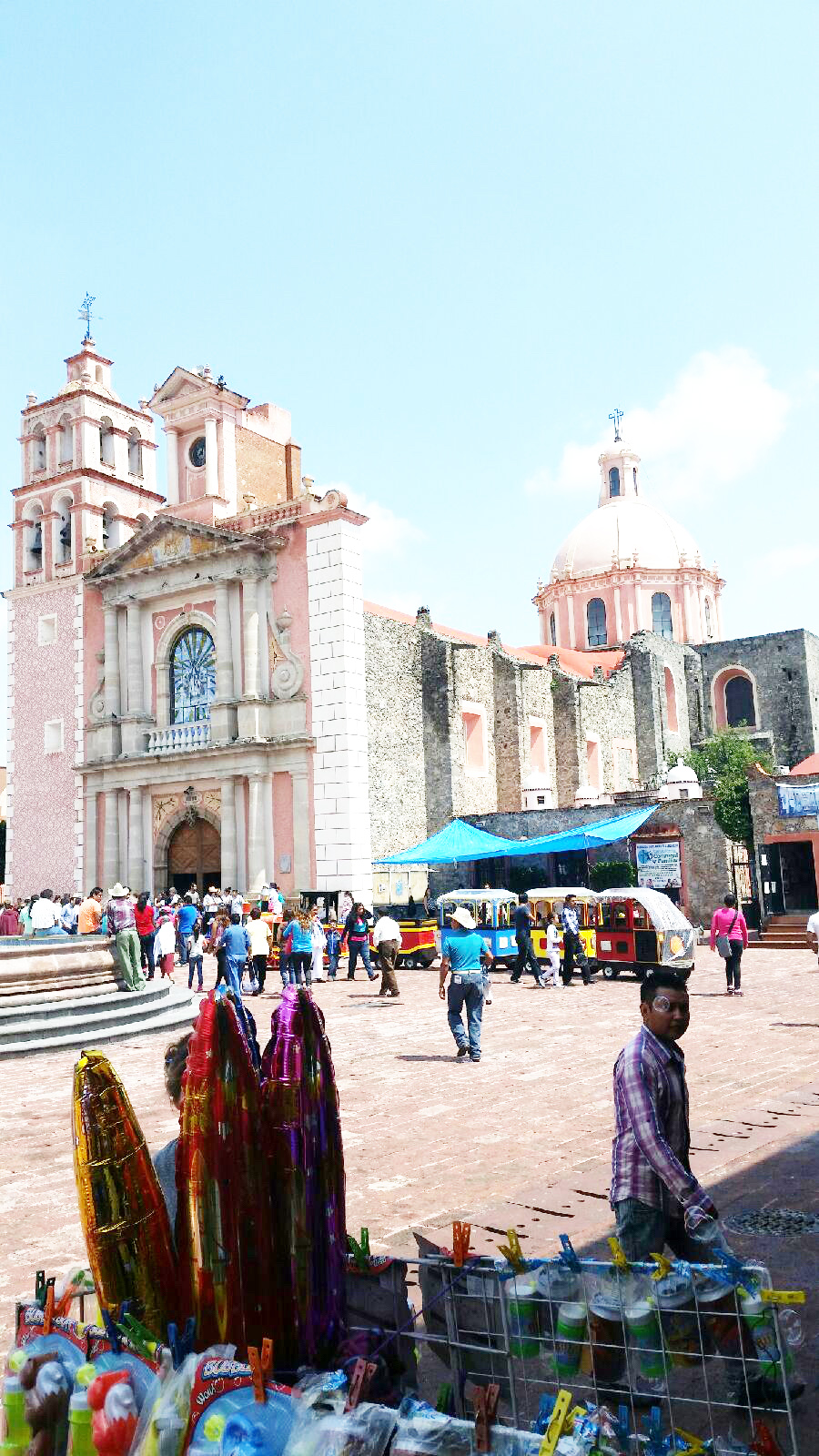
In their fight for justice, during a national tour of the United States, members of Caravana 43 have compared the two countries during speeches and protests. On their website, www.caravana43.com, it is stated that Caravana 43 is made up of three caravans of family, friends and classmates who traveled to over 40 U.S. cities. Their trip around the country is to speak on their missing loved ones and to educate citizens on U.S. foreign policy, such as the 2007 Merida Initiative, and how it contributes to socioeconomic issues and violence in Mexico. One of the group’s stops included Richmond where they spoke at Virginia Commonwealth University and held rallies in the city in early April. Felipe De La Cruz Sandoval, the father of Angel Neri de la Cruz, a student who escaped the attacks, was one person to speak to students, faculty and staff. He began by referring to the 1968 Tlatelolco Massacre in Mexico City where many students and civilians were murdered by the police and the military. “They said that’s when the era of Mexican democracy began, but we say that’s when they killed it,” Sandoval said.
Sandoval also spoke out against the Merida Initiative which was brought together by the U.S. and Mexico. According to the U.S. Department of State, the Merida Initiative was created “to fight organized crime and associated violence while fathering respect for human rights and the rule of the law…the two countries’ efforts have built confidence that is transforming the bilateral relationships.” Sandoval does not agree and that the former Mexican president, Felipe Calderón, created a façade of the war on drugs and used the money for guns and organized crime to terrorize protestors. This organized crime, he said, is created on the municipal and state levels in order to carry out kidnappings, killings and extortions. He clarified the difference between drug trafficking and organized crime saying the drug traffickers were not meant to hurt the community but to sell drugs to those who want them. “In Mexico, democracy does not exist. The government is killing the youth,” Sandoval said. “They are afraid of the youth that’s organized because people that are educated will be free.”
 Another speaker was Clemente Rodriquez Moreno, the father of Christian Alfonso Rodriguez Telumbre, one of the missing students. “Personally, it’s been very difficult, as the days pass where I have not slept and as the days pass with this very tragic uncertainty thinking about my son and his friends,” Moreno said. “Are they beating them up? Are they giving them enough to eat?” Moreno said they know the municipal police participated, the federal police participated and that the army had knowledge of what was going on. One way he encouraged people in the U.S. to help was by creating petitions and writing letters to the White House against the Merida Initiative. Instead, he recommends that this money be used in places such as Guerrero where there is a lack of many things such as education. “I’m going to fulfill his dreams,” Moreno said in reference to his son. “I don’t know how long, but we will find him, we will find the 43. We want them back alive.” The third family member to speak was Anayeli Guerrero de la Cruz, the sister of Jhosivani Guerrero de la Cruz who is another of the missing 43. “The number one demand that we have is for those 43 students to be brought back or presented to us alive, for justice, and for those who are guilty and responsible for this to receive punishment,” La Cruz said. With a desire for her brother to come back and fulfill his dreams, along with the other students, she said they will not stop fighting for the students and for the truth.
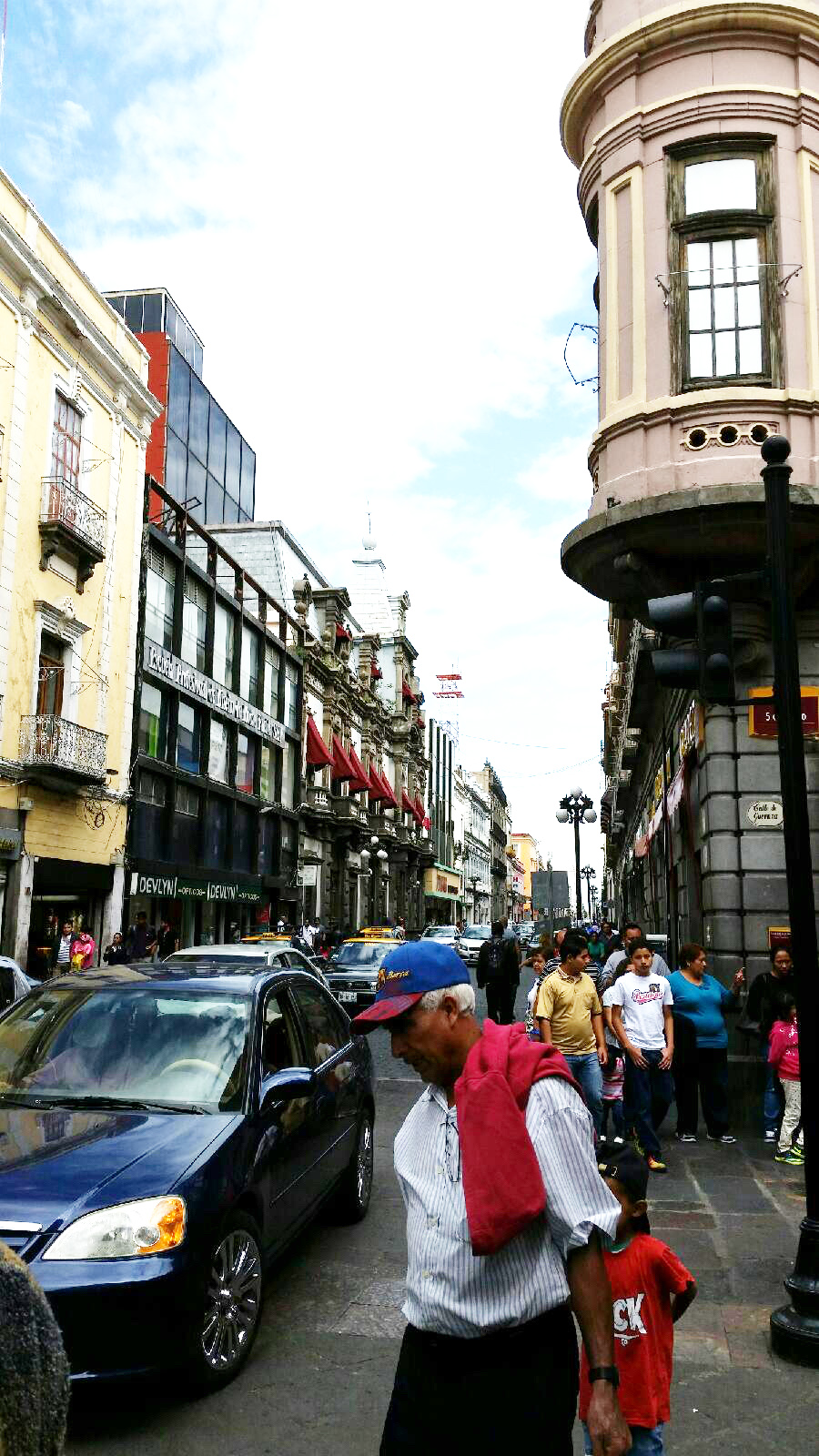
Although, almost a year has passed, Mexicans continue to fight and protest for the Missing 43. Eugenia  Munoz, Spanish professor at Virginia Commonwealth University, took a group of VCU students on a study abroad trip to Cuernavaca, Mexico this summer. On excursions to Mexico City, Munoz and the students saw active protests for the “Missing 43” along with armed police there for monitoring. Munoz, who is from Colombia said that in Latin American countries, especially in dictatorships, there have been more than one instance where students were killed. “In Latin America, the students (especially in the 70’s) had many protests in the universities,” Munoz said. In relation to the “Missing 43,” she also stated there are many obscure versions of what happened and why the students were killed. Mexican resident Everado Avila Rocha said one conspiracy theory is in relation to the belief that they were believed “enemies” of the political party, The Party of Democratic Revolution or PRD. With recent elections, the mayor’s wife could have thought the students were against PRD and therefore hired criminals to kill the students. With all of the speculations, Munoz said news outlets, especially in the United States, have more reason to focus on the negative aspects of Mexico and Latin America. There are many similarities between the countries, both negative and positive. “Of course there are bad people in Mexico, in Colombia and in every country,” Munoz said. “But it is good to be optimistic, because there are more good people than bad ones.”
Photos by Janeal Downs.
