

Tip of the Week
How to Choose a Swim School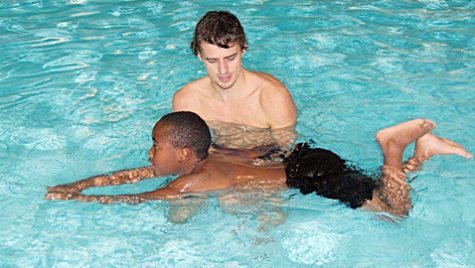
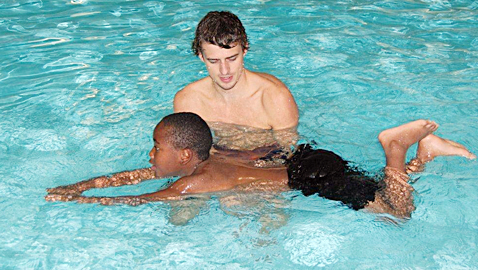
Swimming is a fantastic way to exercise and have fun. It promotes a healthy lifestyle and gives bodies an all-around, low-impact workout. If your child isn’t a strong swimmer, a swim school, may be the answer.
These classes will help your child learn critical swimming and survival skills. Even toddlers can benefit from swimming lessons, according to the American Academy of Pediatrics.
The right school and instructor will help your child develop a healthy respect for water. Obviously it is important to find a great facility that puts safety first. Visiting swimming schools will help you determine which one is appropriate for your family. When choosing a swim school, here are a few things to keep in mind.
Safety and Hygiene
The swimming pool and locker rooms should be safe, clean and hygienic. A dirty facility is a breeding ground for injuries and bacteria, which can cause troublesome infections. An unclean facility will also tell you about the quality of the management.
Other questions to consider: Are safety rules enforced consistently? Is there a qualified lifeguard on duty at all times? Does the facility allow non-potty-trained babies and toddlers in the swimming pool? What procedure is followed if a baby or toddler defecates in the swimming pool? The answers to these questions will help you determine if the facility is safe for you and your family.
Type of Classes and Times
Swim schools often focus solely on adults or children. You might, however, find a school that offers a selection of courses for both groups. For your child, try to find a class that matches age group, comfort level and swimming ability.
Class size is another aspect to consider. Nervous or shy children may benefit from private classes, while others do well in class sizes of 5-7 students. Some private instructors will allow you to accompany your child in the pool.
Additionally, some classes focus on learning specific swim strokes while others concentrate on games and fun. The best lessons will incorporate safety procedures and drowning prevention techniques into their activities.
Check available class times. Morning classes may be best for toddlers who tire easily. School-age children may need late afternoon or early evening instruction.
Instructor Qualifications
As you tour the facilities, ask the teachers or administrators about their qualifications. The staff should have CPR certification and swim instruction qualification. They should also be full up-to-date on first aid techniques. You should also inquire about the history of the facility and find out if there have been any incidents that should concern you. You can also ask how much experience your child’s potential swim teacher has and with what age groups.
Recommendations
Recommendations provide an excellent starting point for finding the best swim school for your family. Check with family, friends and neighbors to see if they can recommend a school or instructor. Your child’s learning institution might also have suggestions. Your town’s park and recreation department may provide swimming classes or recommendations.
Location
Going to and from lessons should not be a chore. Look for a facility near your home or child’s school. You can integrate the lessons into your child’s school day if the facility is located in a convenient spot.
Trust your instincts, as well as those of your child. If your son or daughter does not like the school, trust that feeling. Also, take the time to research your options thoroughly.
Swimming can be fun, when learned from trained professionals, in a safe and comfortable environment.
