
Katrina: 10 Years Later
By Bernard Freeman
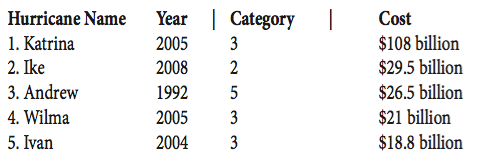
On Aug. 29, sale 2005, diagnosis Hurricane Katrina wreaked havoc on the Gulf Coast. More than 1, see 800 people died, and more than $108 billion in damage was caused. The Category 3 storm was the most expensive hurricane in United States history within the busiest hurricane season the country had ever seen, according to the Federal Emergency Management Agency.
Ten years later, the Centers for Disease Control and Prevention continues to evaluate its own response and the response of other agencies to the storm. We as citizens should use the CDC’s efforts as motivation to assess and improve our individual focus on staying safe in the face of dangerous hurricane situations.
Responsibility
Major issues the agency handled post-Katrina included:
- Infectious disease detection, prevention and outbreak control in shelters and affected communities;
- Injury prevention for displaced people and rescue workers;
- Environmental health and safety monitoring of homes, water quality and shelters;
- Rebuilding public health infrastructure;
- School health, and worker and responder safety recommendations and monitoring.
Good & Bad
Always a strong critic of itself, the CDC identified weaknesses of many aspects of its post-Katrina efforts that it has sought to improve.
The CDC reports that its operations organizational structure during Katrina, for example, was not adequate to support the needed communications between in-field leaders from state health agencies and federal officials.
How did the CDC adjust its policies? One of the major efforts undertaken by the CDC was developing new standard operating procedures for pandemic responses, a collaboration with the United States Department of Health and Human Services.
In another admitted shortcoming, the CDC found that its staff was willing to volunteer in record numbers to deploy for Katrina, but many personnel lacked basic knowledge of emergency response operations. CDC now claims to be making an “unprecedented investment” in training staff through its Corporate University.
Your Communications Plan
When do you think is the best time to reach out to your family members in the wake of a hurricane? If you said immediately, then you are on your way to establishing a powerful plan of action. If you put in the proper planning now, you can be the greatest advocate of community safety and support. Knowing how, when and who to communicate with are critical in helping you and yours make it safely through a hurricane and its dangerous aftereffects.
Here is a quick scenario for you: Let’s say you smell the strong odor of natural gas emitting from your neighbor’s home after a hurricane comes through your area. Who will you call? Your utility company is most prepared to handle this, but do you know its number? Could you track down the number if your phone was dead and your Internet was out?
Communication can be extremely challenging without properly working satellite signals, phone lines or electricity. There are some steps you can take, however, to make sure you’re able to get in touch with those you love.
Key Contacts
Besides friends and family members, there are various organizations you should have programmed into your cell phone and also listed on a piece of paper.
The National Weather Service recommends having the following agencies on speed dial, as well as connecting with them through their websites and social media accounts:
- Local emergency management office;
- County law enforcement;
- State, county and city government;
- Local hospitals;
- Local utilities;
- Local American Red Cross;
- Local TV stations;
- Local radio stations; and
- Your property insurance agent.
Sharing is Caring
If you are able to secure local news or weather information through your contacts, it is important to share it with your friends, family and neighbors.
Some of the most vital information you can share comes from the National Weather Service and relates to the time frame immediately following a hurricane:
- Even if you think the hurricane has passed, hunker down for a bit longer; it may seem like a storm is over, but winds can quickly change direction even after the eye passes.
- Always be alert for tornadoes, which are often spawned by hurricanes.
- Remember that recovering from a disaster is a gradual process, so it is important to take disaster cleanup efforts one day at a time.
Keep Your Phone Charged
There are many ways to keep your smartphone charged in the instance of a hurricane — and even more reasons to do so. A fully charged smartphone means you are connected to the outside world. Friends, family and emergency officials are all at your fingertips — as long as your phone is functioning.
On the other hand, a dead battery can leave you feeling helpless and disconnected, unable to check on the well-being of your loved ones and shuttered from new weather alerts.
There are many ways to extend your battery life even if the power goes out. The important thing to remember is to make sure to start your post-power outage with a fully charged phone.
If you’re waiting out the storm in your home, this means plugging in your phone while you’re hunkered down. An extra phone charger in your emergency kit isn’t a bad idea. Better safe than sorry.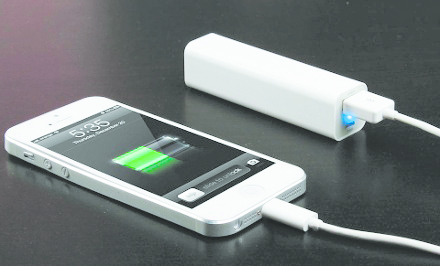
Charging Tools
One of the most helpful emergency preparation tools on a smartphone is its ability to receive alerts from national and local agencies. A dead phone keeps you out of the loop. Your battery charger is the most obvious tool that can keep this from happening, but a power outage will render it useless.
You can buy a charger that uses solar power to keep your phone juiced up. There also are battery-powered backup chargers on the market that can give you several full charges after electrical options are unavailable.
Additionally, you can use your laptop as a back-up power source. As long as you have battery life on your laptop, you can plug in your phone for a charge with a USB cable.
App Strategy
Mobile applications, such as weather radars that use frequent updates to keep you in the loop, are invaluable during or after an emergency. They also are absolute battery drainers.
Some apps even run in the background of your phone when you’re not using them. This can cause your battery to quickly lose power. You can disable Wi-Fi on your phone, which will disallow these apps from running.
You can search your phone’s application market for options that observe how you use your smartphone and recommend suggestions related to which apps you might delete to optimize your phone’s battery life.
Your Home’s Pain Points
As with any emergency, your home is susceptible to damages during a hurricane. What it may be able to weather in an earthquake or tornado, it may not be as prepared for in the case of a tropical storm or hurricane.
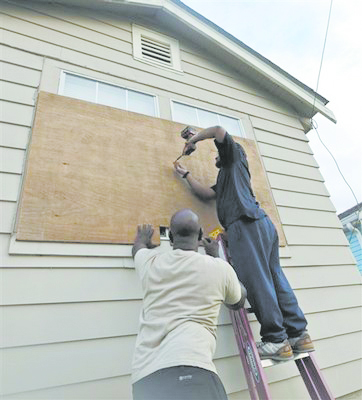 Knowing where to start is as simple as analyzing what dangers a hurricane poses. High winds mean your roof can be quickly ripped away. In heavy, sustained rain, any missing roof shingles or broken windows can lead to immediate water damage. These are important issues to address as hurricane season approaches.
It’s important that you not wait too long to take action. The days leading up to a hurricane are best spent putting finishing touches on preparedness plans or safely evacuating, if ordered to do so. They are not effectively utilized hurrying through haphazard prevention efforts that can lead to missteps or mistakes.
Your Roof
Do you have a few free hours on a Saturday morning? Set one aside to take a close look at your roof. A visual inspection can help you find weaknesses that are best addressed prior to a hurricane.
After safely using a ladder to reach your roof, look for loose or missing shingles, paying particular attention to the edges of your roof. These deficiencies can allow high winds to get underneath other loose or compromised shingles, which can lead to widespread damage.
If you have access to your attic, you also should take a look at your roof from the inside. Check for any light coming through. This means there are gaps that need to be corrected before heavy rains come.
Fast Facts and Statistics
Deadliest hurricanes in U.S. history (1890 to 2010), according to the Federal Emergency Management Agency: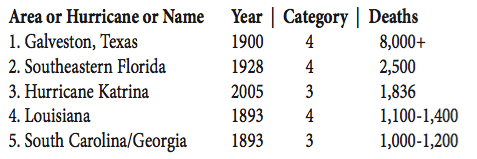 Costliest hurricanes in U.S. history (1900 to 2010), according to the Federal Emergency Management Agency:
What Do Warnings Mean?
The National Weather Service deploys an array of watches and warnings to keep you safe in the face of hurricanes. Here’s what they mean, as defined by the NWS:
- Tropical storm watch: Tropical-storm conditions are possible within the specified area.
- Hurricane watch: Hurricane conditions are possible within the specified area.
- Tropical storm warning: Tropical-storm conditions are expected within the specified area.
- Hurricane warning: Hurricane conditions are expected within the specified area.
- Extreme wind warning: Extreme sustained winds of a major hurricane (115 miles per hour or greater) are expected to begin within an hour.
