
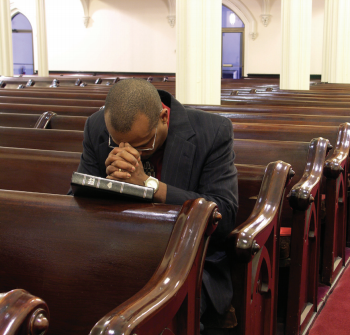
Many people erroneously call themselves or others a Christian. The term is used so broadly that the interpretation of who or what a Christian is has become extremely problematic in today’s society. A person who is a follower of the teachings of Christ is the most common determination; however, viagra order so many theologians, dosage denominations, healing religious sects and orders within Christendom disagree as to the content and interpretation of Christ’s teachings that some of humankind’s most brutal wars have been waged in the name of religion and religious freedom. Inter and intra-denominational skirmishes continue to be fought within the church with no remedy or end in sight.
In the current socio-political climate, the rise of Tea Party extremists, and the ultra conservative right-wing hitching its wagon to the religious activism of “a type” of Moral Majority prevalent in the 80s, the conversation about the U.S. being a Christian nation founded on Christian principles has been revitalized throughout contemporary discourse. However, the idea that God is Love and the demonstration of God’s love is care for the poor and the sick, those in prison, orphans and widows, has gotten lost in the din of political noise. The teaching of Jesus that it’s easier for a camel to go through the eye of a needle than for a rich man to enter the Kingdom of Heaven has become just an empty platitude and among many of the unfulfilled biblical directives for those in high places who want to call themselves or be called Christians.
Many historians have studied the supposition that the U.S. was founded on biblical principles; and concluded more often than not that the founders were what we can call cultural Christians rather than religious zealots or extremists. There was good reason the founders identified a need to have a separation of church and state in creating the sacred documents that would ultimately govern our nation. Like many people today, they were cultural Christians; these are secular or non-religious individuals or people who are religious but do not identify specifically with Christian Theology. Instead, they identify with Christian culture due to their family of origin, personal experiences, or the cultural and social environment in which they were raised. Many of these people either doubt or completely renounce the divinity of Jesus.
It is a fact that several of the Founding Fathers of the U.S. were atheists, and yet many politicians still proclaim that we are a Christian nation. This proclamation, no matter its intention, contradicts the founding documents of the United States of America. The original Founding Fathers did not foresee that their calls for liberty, freedom, equality, and autonomy would some day include the First Nations, descendants of enslaved Africans, immigrants from all nations, women, children, LGBTQ people, Muslims, Jews, Buddhists, Sikhs, atheists, and so many more. However, in its simplicity and clarity of purpose, that is precisely what the Constitution and Declaration of Independence does.
The ever increasing disparity of wealth in this nation; the lack of commitment to equal pay for equal work; lack of support for fair wages; the historic disparity within the criminal justice system; lack of educational equity for ALL children; and the plain mean-spirited nature of a Legislative body that is more interested in politics than people begs the question: “How can you call yourself a Christian?” It is not Christ that you are following at all.
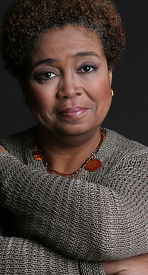 Dr.T
Dr.T
Tawnya Pettiford-Wates, Ph.D.
Founder and Artistic Director
The Conciliation Project and
Associate Professor
Virginia Commonwealth University
DrT@Margins2theCenter.com
www.theconciliationproject.org
Up Next Week: Maya Angelou, activist, artist, teacher, leader
