
How often have you been on the receiving end of an apology? An honest, heartfelt apology is pretty rare these days. An individual who is sincerely seeking forgiveness for something they did wrong, or even the perception that they did something wrong, can go a long way towards the process of restoration or reconciliation. The very act of apologizing can bring a sense of justice to a situation where an individual, group or entity has been offended, wronged or wounded in some way. A genuine, contrite mea culpa creates positive synergy towards mending fences and rebuilding broken relationships. However, when the apology is insincere or compelled by obligation, it often does more damage than the initial offense. This compulsory apology is the type of apology that we, as a society, have most recently grown accustomed to in the age of overindulgent social media, the instant tweet or the anonymous post. We are not as willing to issue the direct public apology (unless compelled to do so), as we are quick to flaunt the public offensive, confrontational or pejorative commentary to or about other people or groups. Perhaps it’s time we look at the power of the pardon as a possible remedy.
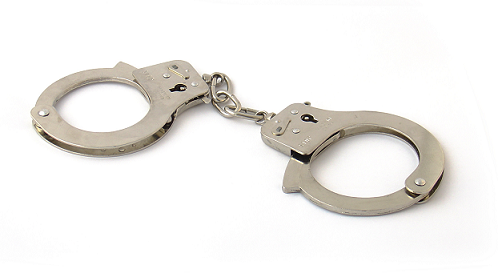
President Obama recently issued a Presidential Pardon to a group of 18 men who were serving sentences for non-violent drug offenses. A pardon is a “type” of forgiveness, but it is not meant to be an apology. A pardon offers forgiveness for a particular crime, either because of a wrongful conviction or because the sentence was excessive for the crime committed. It is important to recognize that, in the case of a pardon, the person’s conviction is not overturned or removed from the public record. In fact, they are not forgiven for the crime for which they were convicted, whether innocent or not. Some believe that accepting a pardon is synonymous to an admission of guilt. However, the power of a Presidential Pardon should not be underestimated. Its impact is significant simply because of the scrutiny it undoubtedly receives and the critical discourse it engages while bringing attention to the inequitable ways in which the justice system doles out sentencing and punishment. Those who have been incarcerated for far too many years, and their families, feel a sense of immediate relief and anticipation in knowing that their loved ones will soon be released whether or not they are actually forgiven. In this case, forgiveness means that their crime and conviction are expunged or erased from the public record as if they never happened. A pardon does not offer such a remedy. Ultimately, what is most important to those who have received a pardon, and their respective family members and friends, is that they are getting out of jail and will soon be free.
Forgiveness is a choice, whether those who have hurt or offended someone ever actually ask to be forgiven or not. There is a certain power in being able to let go of the pain, suffering and hurt experienced at the hands of another, whether the offense was intentional or accidental. There is also a certain level of bondage attached to holding on to those offenses. Holding on to an offense only serves to keep those, who are hurt by it, connected to the ones who hurt them. It is a type of bondage. It is time to issue the offenders a pardon…. so that you can begin to walk in freedom. An apology that lacks humility, sincerity or heart is worthless anyway! Let it go!
 Dr.T
Dr.T
Tawnya Pettiford-Wates. Ph.D.
Artistic Director and Founder
The Conciliation Project
Professor at Virginia Commonwealth University
www.theconciliationproject.org
Up Next Week: Integrity is … what?
