
“Sticks and stones may break my bones but words will never hurt me!” Is a playground mantra that was intended to shield the targets of nasty hate-filled word bombs thrown to hurt, generic maim and destroy the dignity, prostate self worth and humanity of those who were its targeted victims. If only that mantra were true. The simple truth is not only can sticks and stones break your bones when used as weapons against you, but words can and do mortally wound the heart and soul of the human spirit with blows that are not outwardly visible but can have catastrophic consequences for both victim and victimizer alike.
The “N” word, for example, continues to be the centerpiece of ongoing critical discourse as to who can and cannot use the word. What literary and historic value does the word hold when considering its removal from the classic American cannon of iconic literature like Huckleberry Finn which said removal potentially white-washes and sanitizes America’s racially charged legacy from its pages for generations to come. That one word is increasingly more potent in its message and meaning as it creates highly charged debate in these contemporary times. Many people speak of re-appropriating the word and diffusing its impact by embracing it in popular culture through music, fashion or spoken word. “That’s my N#@GA!” or “N#%GA Pleez!” This common usage then gives those “outsiders within” conflicting and confusing signifiers that the word can in fact be used by them or anyone as a term of endearment or common understanding when nothing could be further from the truth.
The historic legacy of the word cannot be forgotten even when forgetting is exactly what some people want to do. Every time it is used, the baggage it brings with it lingers in the space long after the word itself has come and gone. Not long ago as I crossed the street on the campus of VCU, a big red pickup truck sped by me, windows rolled down, and a thirty something long haired white man leaned out and screamed “Get out of the road n$%#r b#%ch!” It was like the Twilight Zone! Everything stopped in a suspension of reality and the people on the street around me all paused momentarily in a moment of disbelief and then continued on as if nothing had happened. I was stunned, angered and speechless. But what was even more surprising to me is how long that moment in time impacted my day, my week and still lingers with me as I recount the incident. Although, intellectually, the event can be chalked up to an ignorant undereducated nobody spouting meaningless hate speech, it landed an indelible blow to my psyche, my personhood and my basic human right to be who I am and not who others define me to be. It was an unprovoked attack by the use of a word that cannot be redefined or reconstructed to diminish or transform its impact into something good, because at its core and origin it has nothing positive to convey.
The etymology of the word locates its origins coming from Latin, Spanish, Portuguese and even French derivation meaning black in color. However, it is the American colonial use of the word negro being pronounced as “nigger” that gives the word its history and legacy here in the U.S. Without question, the “N” word is the most commonly used racist slur in this country, and within our relatively brief history no racial group has been more caricatured and denigrated in as many ways to the present as Black people. You cannot make the word right when it is clearly so wrong!
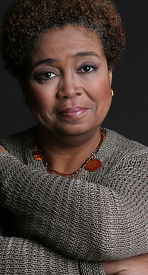 Dr.T
Dr.T
Tawnya Pettiford-Wates. Ph.D.
Artistic Director and Founder
The Conciliation Project
Professor at Virginia Commonwealth University
DrT@Margin2theCenter.com
www.theconciliationproject.org
Up Next Week: Another Perspective of the Thanksgiving Holiday
