
 Zazi is a Zulu word that means, ambulance “know your strength” and it is the overarching rallying cry for Women’s Month and National Women’s Day in South Africa. There is a massive media campaign in place that includes all women and girls from every ethnicity, patient background and class, healing from villages, cities and towns all over the country. It is an incredibly impactful advertisement on billboards, banners, placards, buttons and stickers everywhere. Much like the red ribbon for the international HIV/AIDS awareness campaign and the yellow ribbon for soldiers and military personnel who are POWs, MIAs or just missing, there is a symbolic forest green sash that is the iconic symbol for Zazi.(www.zazi.org)
South Africa has the dubious distinction of being first in the world for cases of reported rape; first for documented cases of HIV/Aids and the cases of assault and violence against women and girls and gays and lesbians are an ongoing crisis. Keep in mind that these are reported and documented cases, which do not include the under reporting of violence and assault or the thousands of cases that are never reported.
There is an epidemic in South Africa, and many women and men who made remarks at events honoring National Women’s Day spoke to the urgent need to address the situation with improved education, increased prosecution of perpetrators and stiff penalties for those found guilty. There must be a recognition and acknowledgement that the problem of violence and rape against the mothers, daughters, sisters and children of South Africa needs to be addressed by all South Africans; but in particular the men of South Africa MUST stand up and stand with the women of the nation. The men are obligated to hold themselves and their fellow males accountable in turning the culture of rape and violence around, since the perpetrators are overwhelmingly male.
South African photographer Zanele Muholi has documented violence and the increased homophobic assaults on gays and lesbians in the country through her stunning and intense photography. Triple 7 is one such exhibit. It displays in graphic and striking detail the violent crime scenes where people were assaulted and murdered because of their sexual identity. Violence and murder against Gays & Lesbians in South Africa is often under investigated and not prosecuted due to the overt judgments and morality stances of the law enforcement and criminal investigation units. Muholi’s work was originally censored and the exhibit closed down because it was deemed immoral.
The LBGTQ community here in South Africa is engaged in an ongoing struggle against the perception that being gay is innately UN-African and therefore somehow a viable threat to African society. This attitude is supported by government officials like the former Minister of Arts and Culture, Lulama Xingwana, who walked out of one of Muholi’s exhibits publicly calling it “Abrasive…. immoral and against nation building.” Many say perhaps “Abrasive”… is what is needed to actually open up dialogue and the urgency of engaged community conversation addressing the violence and homophobic hate crimes within the country. The point here is that rape, assault and murder are crimes, they are illegal and the perpetrators must be brought to justice. Police and law enforcement must stop making moral judgments and begin to treat homophobic violence as any other crime!
The Zazi campaign shines a bright light on a very dark place within South African society. Knowing your strength is the door to acknowledgement of your worth and that acknowledgement must come from both men and women, however, it is the men who must STOP the violence.
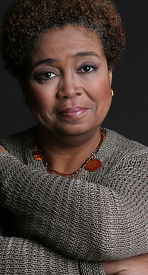 Dr.T
Dr.T
Artistic Director and Founder
The Conciliation Project
Professor at Virginia Commonwealth University
DrT@Margin2theCenter.com
www.theconciliationproject.org
Up Next Week: The WALK: From Squatter Camp to the City Market
